
Last Updated on 4 months
Introduction to Run-Flat Tires
The evolution of tire technology has led to significant advancements in vehicle safety and convenience, one of the most notable being the development of Run-Flat Tires (RFTs). Originating in the mid-1980s, RFTs have gained significant popularity, especially in the last few decades. Their unique design and functionality have made them a preferred choice for many vehicle manufacturers, and they are now increasingly becoming standard on new vehicles. This surge in popularity is not just a trend; it reflects a growing consumer demand for safer, more reliable tires that offer added peace of mind during travel.
Overview and Popularity
Run-flat tires represent a revolutionary step in tire design.
Unlike conventional tires, RFTs are engineered to remain functional and safe even after a puncture or loss of air pressure. This ability to continue driving after a puncture is a game-changer, particularly in emergencies or when a driver cannot change a tire immediately. The technology behind RFTs involves either reinforced sidewalls (in self-supporting systems) or a rigid ring that supports the vehicle’s weight (in support ring systems). This design enhances safety by preventing sudden blowouts and eliminating the need for an immediate stop to change the tire.
The growing popularity of run-flat tires is linked to their numerous advantages. Firstly, they provide enhanced safety by allowing a vehicle to maintain control and continue driving after a tire puncture, reducing the risk of accidents. This feature is particularly beneficial in high-speed or highway driving conditions, where changing a tire can be hazardous. Secondly, RFTs contribute to convenience and space-saving, as vehicles with them do not require a spare tire. This design aspect is increasingly appealing to car manufacturers looking to maximize interior space and reduce vehicle weight, contributing to better fuel efficiency.
Furthermore, connecting RFTs with new car technology, such as Tire Pressure Monitoring Systems (TPMS), has improved their functionality. When there is a pressure decrease in any tire, TPMS warns drivers promptly, allowing them to be aware of the tire’s condition and take appropriate action. Combining RFTs and TPMS adds a degree of safety and convenience for drivers.
Consumer demand for run-flat tires will continue to increase. This trend is driven by consumers’ growing preference for vehicle safety features and the evolving design of new vehicles, which frequently incorporate modern technologies for improved performance and safety. As a result, more vehicle manufacturers are adopting RFTs as standard equipment, signifying a transition in the tire industry to more durable and driver-friendly tires.
Flat tires significantly advance tire technology and offer increased safety, convenience, and performance. Their growing popularity is a testament to their effectiveness and the value they add to modern driving experiences. As automotive technology continues to evolve, RFTs are expected to play an increasingly important role in vehicle safety and design, making them a key consideration for car manufacturers and consumers.
Understanding Run-Flat Tires
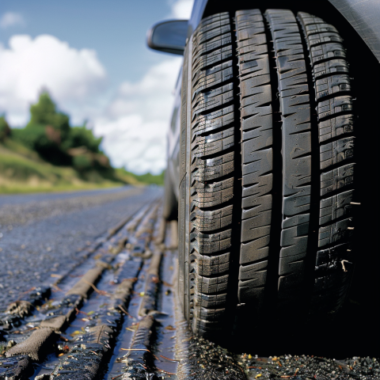
Run-flat tires (RFTs) have emerged as a game-changing innovation in vehicle technology, redefining safety and convenience for drivers worldwide. Their design and performance address a critical need: retaining vehicle mobility and control in the case of a tire puncture or considerable air loss.
Definition and Basic Concept
Run-flat tires allow a vehicle to continue driving even after losing air pressure due to a puncture or leak. Unlike traditional tires, RFTs can withstand the vehicle’s weight for a limited distance and speed following a puncture. This capability enables drivers to safely reach a service station or a secure location for tire replacement without immediately pulling over and changing the tire. The core notion of run-flat tires is their capacity to remain operational even with low or zero air pressure, allowing the driver to maintain control and avoid potentially hazardous circumstances.
Types of Run Flat Tire Systems
Run flat tire technology is separated into self-supporting and support ring systems. Both methods are intended to allow a vehicle to be driven after a tire has been punctured, but they differ in their structural approach.
Self-Supporting System
Self-supporting run-flat tires are constructed with reinforced sidewall construction. This reinforcement is robust enough to support the vehicle’s weight even when the tire pressure is drastically reduced. The sidewalls are solid and heat-resistant materials that prevent them from bending or collapsing under the vehicle’s weight. This self-supporting technology is used by most passenger vehicles equipped with run-flat tires. The fundamental benefit of this system is its simplicity and compatibility with standard wheel designs, making it a popular choice among automakers.
Support Ring System
On the other hand, the support ring system employs a ring of firm, durable material (often rubber or a composite) that is inserted inside the tire. This ring supports the vehicle during air loss, allowing the tire to maintain shape and function. The support ring system is commonly used in larger vehicles or applications requiring more significant support. While it adds to the tire’s overall weight, it provides firm support and durability under loss-of-pressure conditions.
The Role of Tire Pressure Monitoring System (TPMS)
The Tire Pressure Monitoring System (TPMS) integration is critical to the performance of run-flat tires. TPMS is an electrical system that measures air pressure within pneumatic tires. It warns the driver when tire pressure falls below the recommended level, which is critical for the safety and maintenance of run-flat tires.
Without TPMS, a driver may be unaware that a tire has lost pressure, given the run-flat tire’s ability to perform even when deflated. TPMS informs the driver of the tire’s condition, enabling prompt and appropriate actions, such as slowing speed or traveling to a tire service shop. This technology is necessary for run-flat tires since it enhances their safety characteristics by giving crucial real-time information to the
Drivers and vehicle owners need to understand run-flat tires and their systems. These tires improve safety by offering stability and control over air loss, lowering the chance of unexpected flat tires. With advances in tire technology, run-flat tires are becoming more widespread in modern automobiles, underlining the need to become acquainted with their operation and benefits.
Advantages and Disadvantages of Run-Flat Tires
Run-flat tires (RFTs) have been an essential innovation in the automotive industry, providing distinct advantages but posing some restrictions. Understanding this can assist automobile owners in making intelligent tire purchases.
Benefits of Using Run-Flat Tires
Discover the benefits of run-flat tires, a groundbreaking vehicle technology that improves safety and convenience. These tires enable you to continue driving safely even after a puncture, giving you peace of mind and avoiding the need for rapid roadside tire replacement.
- Enhanced Safety: The principal benefit of run-flat tires is improved safety. In the event of a puncture, RFTs allow you to drive safely for a set distance, usually up to 50 miles, depending on the manufacturer’s standards. This capacity is critical for avoiding risky roadside tire changes, especially in unsafe or inconvenient situations.
- Improved Stability After a Puncture: Unlike conventional tires, which can quickly lose form and stability following a puncture, run-flat tires retain their shape thanks to strengthened sidewalls or internal support systems. This feature improves control and stability when a tire has lost air, lowering the chance of an accident.
- Elimination of Spare Tire: RFTs reduce the need to carry spare tires. Reducing vehicle weight can result in increased fuel economy and storage space. It also eliminates the requirement for drivers to know how to change a tire, which is especially useful for people unfamiliar with the operation.
- Convenience: Run-flat tires are convenient, especially for people driving in rural places or during inclement weather. The ability to continue operating after a puncture to a safe spot or a service center is a significant convenience.
Drawbacks and Limitations
While run-flat tires have considerable benefits in terms of safety and convenience, this introduction examines their possible downsides and limits, such as higher costs, ride comfort concerns, and limited availability, to provide a balanced view of this unique tire technology.
- Limited Repair Options: One of the significant disadvantages of RFTs is that they frequently cannot be repaired after a puncture and must be replaced entirely. This constraint can be more expensive in the long term than ordinary tires, which can usually be patched or mended.
- More brutal Ride Quality: Run-flat tires can ride stiffer than conventional tires due to their strengthened sidewalls. This rigidity can result in a less comfortable driving experience because the tires must absorb road bumps and irregularities more effectively.
- Higher Cost: Run-flat tires are generally more expensive than standard tires. This higher initial cost, combined with the potential need for complete replacement in case of a puncture, can make RFTs a more costly option over time.
- Decreased Performance in Certain Conditions: The design of RFTs, which emphasizes durability and safety, can occasionally result in poor performance in particular driving conditions. In some road conditions, they may provide a different amount of grip or handling than performance-oriented regular tires.
- Dependency on Tire Pressure Monitoring Systems (TPMS): Run-flat tires rely primarily on TPMS to notify the driver of a loss of tire pressure. If the TPMS is not working correctly, it may fail to inform the driver, potentially causing tire damage if left unchecked.
While run-flat tires have considerable benefits regarding safety and convenience, they also have disadvantages such as cost, riding quality, and repair limits. To evaluate whether run-flat tires are the best option for their needs, vehicle owners should consider their driving patterns, preferences, and weather conditions.
Performance and Limitations
Run-flat tires (RFTs) provide an innovative method for dealing with tire punctures, but like with all technologies, they have specific performance constraints and limitations. Understanding this can help drivers get the most out of their RFTs while being safe.
How Far and Fast Can You Drive on Run-Flat Tires?
RFTs are intended to be driven on even after a puncture; however, it does not make them invincible. A punctured run-flat tire can often be gone for 50 miles. However, this mileage varies depending on the tire’s make and model, vehicle weight, and driving circumstances. It is not suggested that the speed exceed 50 mph on a punctured RFT. These restrictions ensure that the tire does not deteriorate and cause additional harm to the car. Examining the tire manufacturer’s specs for detailed information is critical, as these statistics can vary.
Risks of Driving on Run-Flat Tires
Even though RFTs provide safety, driving on them, especially after a puncture, comes with some risks.
- Rapid Wear: Driving on a run-flat tire beyond its prescribed limitations can result in quick and uneven wear. This needs a tire replacement sooner than usual and may result in poorer handling and control.
- Overheating: Prolonged driving on a punctured RFT can induce overheating, resulting in tire failure and even a rupture.
- False Sense of Security: Drivers may overestimate the capabilities of RFTs, ignoring symptoms of wear and driving the tires past their safe limits.
- Impact on Vehicle Handling: A ruptured RFT can impair the vehicle’s handling and braking, potentially leading to dangerous driving situations, particularly at high speeds or in complex driving environments.
What to Do in Case of a Flat Tire
If you have a flat tire with RFTs, it is essential to consider the following steps:
- Slow Down: Reduce your speed promptly to less than 50 mph or as the tire manufacturer recommends.
- Monitor the situation: Pay special attention to how the car is handled. If you notice any substantial changes in the vehicle’s control or stability, stop as soon as it is safe.
- Plan Your Next Steps: Aim to arrive at a service station or a safe location to inspect the tire within the required distance limitations. Refrain from repairing the tire yourself; RFTs sometimes require specialist attention.
- Check TPMS Alerts: If your vehicle has a Tire Pressure Monitoring System (TPMS), pay attention to any alerts or warnings it may generate.
- Replace the Tire: If the tire has been punctured, it will almost certainly need to be changed, even if it is not damaged. Consult a tire technician to ensure your vehicle’s safety and performance.
Practical Insights and Experiences
Run-flat tires (RFTs) have transformed car safety. However, understanding their real-world application and limitations is critical for drivers considering or installing them in their vehicles. This article digs into practical insights and experiences with run-flat tires, providing information on how they operate in real-world circumstances and under various conditions.
Real-Life Scenarios with Run-Flat Tires
Investigate real-world scenarios in which run-flat tires play a critical role, emphasizing their performance during emergencies and how they contribute to safety and convenience in difficult driving circumstances.
- Emergency Situations: One of the most significant advantages of RFTs comes into play during emergencies. For instance, if a driver encounters a tire puncture on a busy highway or in an unsafe area, RFTs allow continued driving until a safer location or service station is reached. This feature provides convenience and enhances safety by avoiding changing the tire in potentially hazardous environments.
- Long-Distance Travel: RFTs are particularly beneficial for long-distance travelers. When drivers are miles from the nearest service station, RFTs offer the peace of mind that they won’t be stranded. Drivers have reported successfully driving the recommended 50 miles, sometimes slightly more, to reach help without damaging their vehicles.
- City Driving: In urban areas, where roads are generally well-maintained, RFTs offer a seamless experience. Drivers might not notice a puncture immediately due to the tire’s ability to maintain shape and performance. However, the constant stop-and-go traffic can impact the tire’s lifespan after a puncture, making it crucial to monitor tire pressure regularly.
Understanding the Limitations in Different Conditions
Explore the limitations of run-flat tires throughout various driving scenarios, including their performance in extreme weather, on different terrains, and under varying vehicle weights.
- Performance in Harsh Weather: RFTs may behave differently in harsh weather situations. In chilly areas, the stiffness of RFTs can become more noticeable, resulting in a less comfortable ride. Similarly, in hot weather, the risk of tire blowout increases if a punctured RFT is pushed beyond its acceptable limits.
- Handling and Comfort: RFTs provide safety benefits but can produce a harsher ride than traditional tires. This distinction is pronounced on bumpy or uneven road surfaces, where the strengthened sidewalls of RFTs absorb less shock.
- Wear and Tear: RFTs can wear down faster than standard tires when driven flat. Prolonged driving on a punctured RFT, even within specified limits, can cause uneven wear, demanding an earlier replacement than conventional tires.
- Cost Consideration: The need for replacement instead of repair in most cases of punctured RFTs can be a significant cost factor. Drivers have reported the higher expense of replacing RFTs than standard tires, an essential consideration for budget-conscious individuals.
Regular maintenance, being aware of the driving conditions, and adhering to the manufacturer’s guidelines are crucial to maximizing the benefits of run-flat tires.
Maintenance and Repair
Run-flat tires (RFTs) are becoming more popular due to their safety characteristics. Nonetheless, they necessitate a different maintenance and repair strategy than standard tires. This page contains critical information about repairability, life expectancy, and maintenance suggestions for running flat tires, allowing drivers to optimize their benefits while reducing hazards and expenses.
Can Run-Flat Tires be Repaired?
The repairability of run-flat tires is a frequently requested issue. The answer varies based on the tire’s condition and the severity of the damage. Many manufacturers do not advocate repairing RFTs since driving on them after a puncture can result in internal structural damage that is not obvious from the outside. This breakdown could put the tire’s safety and efficacy at risk.
However, some manufacturers may allow repairs if the run-flat tires were driven short distances after losing pressure. Getting the tire adequately evaluated by a specialist who can identify any interior damage is critical. If the tire sidewall has remained intact and the puncture is minor and positioned on the tread, a repair may be performed.
Life Expectancy of Run-Flat Tires
The lifespan of Run-Flat Tires can vary based on several factors, including driving habits, road conditions, and regular maintenance. Generally, RFTs may have a slightly shorter lifespan compared to standard tires, primarily due to their stiffer construction and the heat they generate. On average, you can expect a run-flat tire to last approximately 30,000 to 60,000 miles, but this depends on usage and maintenance.
Proper tire maintenance, such as frequent pressure checks and alignments, can significantly extend the life of RFTs. It is also crucial to avoid challenging driving conditions and stick to a consistent driving style to save unnecessary wear and tear.
Tips to Avoid Driving on a Flat Tire
To maximize the lifespan of RFTs and enhance safety, here are some tips to avoid driving on a flat tire:
- Regularly Check Tire Pressure: Use a reliable tire pressure gauge to check your tires regularly. Maintaining the correct tire pressure is crucial for RFTs, as it helps prevent premature wear and reduces the risk of punctures.
- Inspect Tires Regularly: Regular visual inspections can help spot signs of wear, damage, or foreign objects lodged in the tire.
- Avoid Hazardous Roads: Avoid driving on roads with potholes, debris, or other potentially dangerous situations that can increase the chance of tire damage.
- Drive Carefully: Avoid aggressive driving habits such as hard braking, rapid acceleration, and sharp turns. Such practices can put additional stress on the tires.
- Use TPMS Effectively: Ensure your vehicle’s Tire Pressure Monitoring System (TPMS) functions correctly. TPMS can alert you to significant changes in tire pressure, allowing for early intervention.
- Professional Inspections: Have your tires inspected professionally, especially if you suspect they have been compromised. A trained technician can assess whether the tire is safe or needs replacement.
RFTs offer the advantage of continued mobility in case of a puncture; they demand careful maintenance and a cautious approach to repair. Understanding the nuances of RFT maintenance and repair can help drivers enjoy the benefits of these advanced tires while ensuring safety and optimizing their lifespan.
Decision Making: Are Run-Flat Tires Right for You?
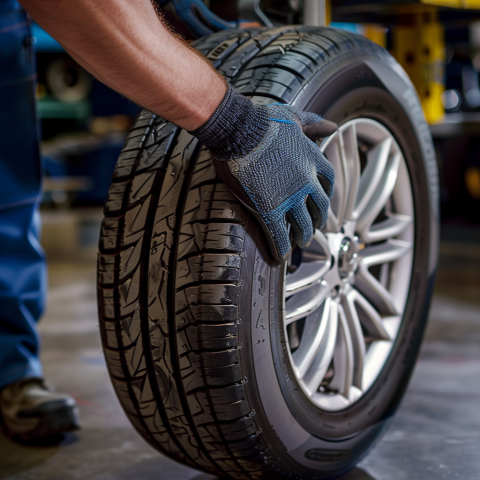
Deciding whether Run-Flat Tires (RFTs) are the right choice for your vehicle involves carefully evaluating their advantages and disadvantages and considering your specific driving needs and circumstances. This article provides a comprehensive guide to help you make an informed decision.
Evaluating the Pros and Cons
This introduction presents a comprehensive evaluation of run-flat tires, weighing their benefits, such as enhanced safety and convenience, against potential drawbacks like cost and comfort, providing a balanced perspective for informed decision-making.
Pros of Run-Flat Tires:
- Enhanced Safety: RFTs allow you to continue driving for a certain distance even after a puncture, reducing the risk of roadside tire changes in unsafe locations.
- Convenience: It eliminates the need to carry a spare tire, freeing up space and potentially reducing the vehicle’s weight.
- Stability Post-Puncture: RFTs offer better stability than regular tires after a puncture, as they are less likely to deflate rapidly.
- Peace of Mind: Particularly beneficial for those who frequently travel long distances or through remote areas.
Cons of Run-Flat Tires:
- Ride Comfort: RFTs can have a harsher ride than standard tires due to their stiffer sidewalls.
- Cost: RFTs are generally more expensive than standard tires regarding initial and potential replacement costs.
- Repair Limitations: Many RFTs cannot be repaired after a puncture and must be replaced entirely.
- Availability: In some areas, it might be harder to find replacements for RFTs, or there may be limited choices in terms of brands and models.
Situational Considerations for Using Run-Flat Tires
When deciding if RFTs are right for you, consider your driving situations.
- Driving Environment: If you frequently drive in remote areas or on highways where immediate assistance is not readily available, RFTs can offer a significant advantage.
- Commute Type: For city drivers who are typically close to services and drive on well-maintained roads, the benefits of RFTs might need to be more pronounced.
- Emergency Preparedness: If you’re uncomfortable with changing a tire or don’t wish to deal with the hassle, RFTs provide a convenient alternative.
- Budget Considerations: Evaluate if the higher initial and replacement costs align with your budget.
- Vehicle Type: Some vehicles, particularly high-end and sports models, are specifically designed to be used with RFTs for optimal performance.
- Personal Preferences: Consider how vital ride comfort is to you. If a smoother driving experience is a priority, standard tires might be more suitable.
Your decision to use RFTs should be based on a balanced consideration of their benefits and drawbacks, along with assessing your driving needs and circumstances. Run-flat tires offer distinct advantages regarding safety and convenience, but also have trade-offs that must be carefully weighed. Considering these factors, you can decide whether RFTs are the right choice for your vehicle and driving style.

Manufacturers and Options
Regarding Run-Flat Tires (RFTs), several leading tire manufacturers are known for producing high-quality options. Each brand brings its unique technology and features to the table, offering a range of choices for consumers.
Run-flat tires in Special Situations
Run-flat tires (RFTs) are essential in certain circumstances, particularly in armored vehicles and during emergencies. Their distinctive design and ability to work even after a puncture make them indispensable in these critical situations. This article discusses using RFTs in armored vehicles in emergencies, emphasizing their importance and benefits.
Use in Armored Vehicles
Armored vehicles used by the military, law enforcement, dignitaries, and VIPs must have increased safety features to operate in potentially hazardous areas. RFTs play an essential role in keeping these vehicles mobile in the face of dangers like gunfire or sharp objects on the road.
Critical Aspects of RFTs in Armored Vehicles:
Dive into the critical role of Run-Flat Tires (RFTs) in armored vehicles, exploring how they contribute to the vehicle’s security and performance. This introduction examines the unique requirements of armored transportation and how RFTs meet these demands, ensuring safety and reliability under extreme conditions.
- Maintaining Mobility Under Attack: The ability to keep moving is critical in hostile situations. RFTs allow armored vehicles to continue driving even after tire punctures, which could be caused by gunfire or sharp debris, ensuring the safety of the occupants.
- Enhanced Structural Integrity: RFTs in armored vehicles are often reinforced with more robust materials than standard RFTs. This reinforcement is crucial for supporting the additional weight of the armor plating and other security modifications.
- Customization for Heavy-Duty Use: Armored vehicle manufacturers often customize RFTs to meet specific security needs, including higher load capacities and resistance to extreme conditions.
- Integration with Security Systems: In many armored vehicles, RFTs are part of a broader security system, which may include reinforced chassis, bulletproof glass, and advanced communication systems. The tires are designed to work with these components for maximum security.
Emergency Situations and Run-Flat Tires
In emergencies, such as a tire puncture on a remote road or during severe weather conditions, RFTs provide critical benefits.
Applications in Emergency Situations:
The vital role of Run-Flat Tires (RFTs) in emergencies showcases how their unique design and durability provide critical advantages during urgent and unexpected scenarios, ensuring safety and uninterrupted mobility when it matters most.
- Safety in Adverse Conditions: Changing a tire can be dangerous during extreme weather, like heavy rain or snow. RFTs allow drivers to proceed to a safer location for tire replacement or repair.
- Continued Mobility in Remote Areas: For those traveling in remote or rural areas, a tire puncture can leave them stranded far from help. RFTs ensure that drivers can continue to a more accessible location for assistance.
- Reduced Risk of Accidents: RFTs maintain better stability than standard tires when there is a sudden tire failure, reducing the risk of accidents due to loss of control.
- Assistance for Unprepared Drivers: Only some drivers are prepared or capable of changing a tire. RFTs offer a safety net for those who might otherwise be left vulnerable in the event of a flat tire.
Run-flat tires are especially useful in specific scenarios, such as armored vehicles and during emergencies. Their capacity to keep the car moving and protect the safety of the people in difficult and dangerous situations is unrivaled. RFTs are a must-have for individuals who value security and safety, particularly in situations when tire punctures could pose serious concerns.
Conclusion & Recommendations
After investigating the different features of Run-Flat Tires (RFTs), from design and performance to application in specific scenarios, it is evident that RFTs have distinct benefits that can significantly improve safety and convenience for many drivers. However, unavoidable drawbacks accompany these advantages, and the decision to employ RFTs should be based on a complete understanding of their capabilities and limitations.
The most notable advantage of RFTs is the increased safety they give, particularly in crises or abrupt punctures. They keep the car steady and allow it to be driven to a safer location, minimizing the immediate need to change the tire under potentially hazardous conditions. This is especially important for vehicles with excellent durability and security, such as armored trucks.
However, the possibility of a more challenging ride, the higher initial and replacement costs, and the limitations in repair alternatives must be considered. Furthermore, various driving conditions and personal preferences influence whether RFTs are the best option for an individual. For example, drivers who frequently travel through isolated locations or face severe weather conditions may benefit more from RFTs than those who typically drive in urban areas with convenient access to tire repair services.
Finally, the decision to use RFTs must weigh the benefits of increased safety and convenience against the costs and potential changes to the driving experience. RFTs suit people who value uninterrupted movement and increased tire puncture protection. On the other hand, drivers who are more concerned with cost and ride comfort may choose standard tires.
Recommendations
When contemplating RFTs, evaluating your driving conditions and situations is essential to ensure the benefits match your needs. Consider the vehicle you drive and speak with the manufacturer or a tire expert to guarantee compatibility and the best performance. Be prepared to pay more for RFTs both initially and when they are replaced. Regularly monitor and repair your tires, regardless of kind, to ensure their safety and longevity.
Transition to Giga Tires
In your journey to find the perfect tires for your vehicle, whether you decide on RFTs or traditional tires, Giga Tires offers a comprehensive selection to suit your specific needs. With an extensive range of options from leading manufacturers, you can confidently choose tires that provide the best balance of safety, performance, and value.
Explore our collection and take the first step towards a safer, more reliable driving experience. Click the link above to find the perfect tires for your vehicle and enjoy the peace of mind of making the right choice.
FAQs:
How Long Do Pirelli Run-Flat Tires Last?
Pirelli Run-Flat Tires typically last about as long as regular tires, between 30,000 and 60,000 miles. However, this can change depending on driving patterns, road conditions, and tire care.
Do Run-Flat Tires Need To Be Replaced After A Puncture?
Most run-flat tires must be replaced following a puncture because they are not meant for numerous uses post-puncture, especially if they have been driven on for an extended period or above their authorized limits.
Do Run-Flat Tires Wear Out Faster?
Flat tires may wear out slightly faster than conventional tires due to their more robust design, resulting in speedier tread wear under specific driving situations.
How far can you drive on a flat tire?
On a run-flat tire, you can typically drive for roughly 50 miles after a puncture, but only at low speeds (no more than 50 mph) to avoid further damage to the tire and vehicle.
How can you prevent a flat tire?
To avoid flat tires, check the tire pressure regularly, avoid driving over sharp objects and bumpy roads, and do frequent tire inspections to detect any concerns early.
What are the dangers of going on a flat tire?
Driving with a flat tire can result in loss of vehicle control, an increased chance of a blowout, and potential damage to the wheel and other automotive parts.
Can Run-Flat Tires be Repaired?
Flat tires are generally not suggested for repair following a puncture due to the possibility of hidden damage. However, a repair may be possible if the puncture is slight and the tire has not been driven substantially since the puncture.
How Far Can You Drive On A Run Flat Tire?
You can go up to 50 miles on a punctured run-flat tire, provided you keep the speed below 50 mph. This distance is designed to get you to a safe location or a service center.
How Do Run-Flat Tires Work?
Run-flat tires have reinforced sidewalls or internal support structures that allow them to retain form and carry the vehicle’s weight even after losing air pressure due to a puncture.