Last Updated on 4 months
Navigating Your Wheel Selection: New Wheels and Tires
Upgrading to custom or aftermarket wheels is an excellent way to give your vehicle a new personality. But with so many options, picking the perfect set of wheels can be quite a journey.
Don’t worry, though! In this guide, we’ll explain the nitty-gritty of wheel upgrades. We’ll also cover all the technical aspects you need to consider, ensuring you make an informed choice that reflects your style. Let’s roll into the world of wheel customization together!
Matching Wheels to Your Ride’s Needs
Wheels are typically classified for cars, light trucks, and SUVs. So, start your search in the proper segment to save time on wheels that aren’t a good fit for your car. If you are a fan of off-roading, opt for smaller wheels because they provide more sidewall flexibility to protect against damage. If you prefer highway cruising, consider upgrading your tires. Larger diameters can improve the appearance and handling of your vehicle.
Seasonal Wheel Strategy: Summer vs. Winter
Aluminum wheels are ideal for the chilly months. They’re lightweight and rust-resistant and keep your ride looking good. On the other hand, steel wheels are heavier and have simpler designs, but are less expensive. This dual-set approach ensures that your wheels are in sync with the season’s demands and that your vehicle looks great all year.
Decoding the Wheel Size Puzzle
Your wheel size dramatically impacts how well your vehicle performs, how comfortable it is to ride in, and how it looks. As a result, knowing the wheel size of your car is necessary.
Understanding the Perfect Fit for Your Wheels
You should know the right wheel size if you’re sticking with your current tires. The diameter of your new rims must align with your tire size. For instance, if your tires are marked 205/55R/16, you’ll need 16-inch diameter wheels. But if you’re up for a complete makeover with new tires and wheels, we’ve got you covered.
You can search by your vehicle’s specifics, where we’ll handle all the sizing calculations, or dive into the details by exploring wheel sizes and bolt patterns. This route opens up a variety of styles, including different offsets for a more pronounced or aggressive look.
Key fitment terms
Below are some key fitment terms you should be aware of:
Rim Size/Diameter: This inch measurement should match your wheels and tires if you’re not opting for a wheel-tire combo.
Bolt Pattern: Each vehicle has a unique bolt pattern for its wheels, ensuring the studs align with the axle. For instance, heavy-duty trucks might have an 8-bolt pattern, while a smaller car could have just 3.
The bolt pattern is the diameter of an imaginary circle formed by connecting the center of each wheel lug. So, a 5×114.3 mm pattern would be measured across this circle.
Lug Count: Here’s where specifics matter. While most cars have five lugs, the drilling diameters vary by manufacturer and vehicle type. For example, a European car might feature a 5×112 mm pattern, while a Japanese model might have 5×114.3 mm.
Offset: This figure tells you how the wheel sits relative to your car’s undercarriage. Consider the Black Iron Kodiak wheel as an example; its significant lip indicates a -24 offset. Sticking close to your vehicle’s original specs is advisable for maintaining the manufacturer’s intended driving experience.
Exploring Your Wheel Style Spectrum
You can explore the vibrant world of wheel finishes, where each style speaks its language. Let’s figure out the many choices that can fit your style:
- Black Variants: You can choose from glossy, satin, or matte black finishes to add a sleek or understated touch to your vehicle.
- Gunmetal (Sophisticated Gray): Gunmetal has a refined and modern appearance, ranging from light to dark, and is available in matte and gloss finishes.
- Silver Finish: Consider the classic shine of a quarter, which is both timeless and elegant.
- Machined & Milled Styles: These methods skillfully reveal the aluminum underneath the paint for a striking contrast. A clear coat is then applied to shield the exposed metal from corrosion.
- Chrome Finish: Chrome is a popular choice for adding a mirror-like sheen and an extra layer of durability to your vehicle.
If you prefer a particular brand or have admired a specific design on other vehicles, you can search for wheels by brand to get the exact look you want.
Setting Your Wheel Budget: Balancing Style with Affordability
Wheels come in a wide price range, reflecting their design and quality. High-end custom rims can reach up to $4,000 per set, while more basic, no-frills options could be as budget-friendly as $500 a set. Here’s what influences the cost:
- Size Matters: Generally, the larger the wheel, the higher the price.
- Finish Factor: Chrome finishes are typically about 30% pricier than painted ones.
- Construction and Customization: Costs vary depending on the method, from gravity-cast or pressure-cast aluminum wheels to more intricate flow-form and forged designs.
Bringing Your Wheel Choice to Life
The big question is, how will these wheels look on your car? To solve this mystery, you can use a handy wheel visualizer. It allows you to see various wheel styles and finishes on your specific vehicle model, giving you a real-life glimpse of your potential upgrade.
Decoding the World of Rims: Key Elements of Your Wheels
Rims, often known as wheels, play a fundamental role in your vehicle’s functionality. They are the reliable support that keeps your tires firmly in position. Rims come in various materials, sizes, and designs to suit your preferences. They offer more than just visuals; they ensure your car performs well and provides a smooth driving experience.
Critical Considerations for Selecting Your Ideal Rims
When it’s time to pair your tires with new rims, consider the following factors to ensure a perfect match:
- Wheel Diameter: This is a vital measurement and should align perfectly with your tire size.
- Wheel Width: It is required for tire compatibility and impacts your vehicle’s handling.
- Offset: This determines how the rims align with your vehicle’s body, which is essential for aesthetics and function.
- Bolt Pattern: Ensure this matches your vehicle’s specifications for a secure fit.
- Load Rating: This should meet or exceed your vehicle’s requirements for safety and durability.
- Center Bore: A precise fit here ensures the wheel balances correctly on your vehicle.
Understanding Wheel Diameter
Think of wheel diameter as the total size of your wheel, measured in inches. It’s like finding a pair-mate for your tires. If you’ve got tires meant for 17-inch rims, a 17-inch rim is your go-to.
Mismatched sizes are a no-go, especially for performance cars, where wider wheels are often needed to accommodate those sleek, low-profile tires.
Grasping Wheel Width
Wheel width is about the distance across the wheel’s bead seat faces. It’s a bit flexible compared to diameter; the wheel and tire widths don’t need to be exact twins. But here’s a tip: avoid mounting a tire that is more than 20 millimeters wider than the wheel.
Aim for as close a match as possible between your wheel and tire dimensions. This balance is essential for keeping your car’s transmission and other vital components in good working order.
Wheel Offset
Imagine the wheel offset as the balancing act between the wheel’s centerline and its axle mounting point. Depending on this balancing distance, it can be neutral, positive, or negative. When selecting new rims, stick with your current set’s offset to ensure a seamless fit and optimal performance.
Getting the Right Bolt Pattern
The bolt pattern is like the DNA of your wheel fitting and needs to be an exact match. For a successful mount, the bolt pattern on your car and the bolt pattern on your new rims must be perfectly aligned.
While wheel adapters exist, they are only a temporary fix for minor differences. A precise bolt pattern match is always the best route to avoid any complications or risks associated with adapters or incorrect installation.
Exploring Load Rating
The load rating of rims is all about the maximum weight they can handle. While it’s essential for heavy-duty trucks or commercial vehicles, it’s generally less of a concern for passenger vehicles. Still, it’s good to know the capacity your rims can support, especially if you plan on carrying heavy loads.
Decoding Center Bore
The center bore is essentially the ‘bullseye’ of the wheel – the hole in the very center of the rim. This must precisely fit over your vehicle’s wheel mounting hub. When shopping for new rims, ensure you get the perfect fit. There is no easy fix if the center bore is too large compared to the wheel hub, so an accurate match is needed for a safe and stable installation.
Pros And Cons of Buying Tires and Rims
There are a few things to consider when buying tires and rims. Each option has its pros and cons, so let’s take a look at them together:
Pros
Going for tires with rims wrapped in one package has its perks. It guarantees that your tire and rim are a perfect match, taking the guesswork out of the equation.
It’s also a real time saver because you no longer have to mount and balance tires on your existing rims. Plus, having a separate set of rims for different tire types (like summer and winter) makes changing them a breeze.
Cons
On the flip side, this convenience may come at a higher cost. If you buy them as a set, you may need to look into other separately available tire and rim options. It means having more tire and rim combinations that you could have found individually but not the best.
Advantages of Choosing Only Tires: Variety and Savings
When you buy just the tires, you open up a whole new world of possibilities. This option allows you to search a broader range of tire types for great deals. If you already have a good set of rims, you can save a lot of money by not buying new ones.
This allows you to choose the exact type of tires you need, whether high-performance tires for the summer heat or rugged ones for off-road adventures.
The Flip Side of Tire-Only Buys: The Mounting and Balancing Act
Buying tires without rims presents some difficulties. You’ll need to have these tires mounted and balanced on your existing rims, which may cause inconvenience and additional service charges. Furthermore, frequently changing tires can cause your rims to wear out faster, potentially shortening their life.
Smart Installation Tips for a Smooth Ride
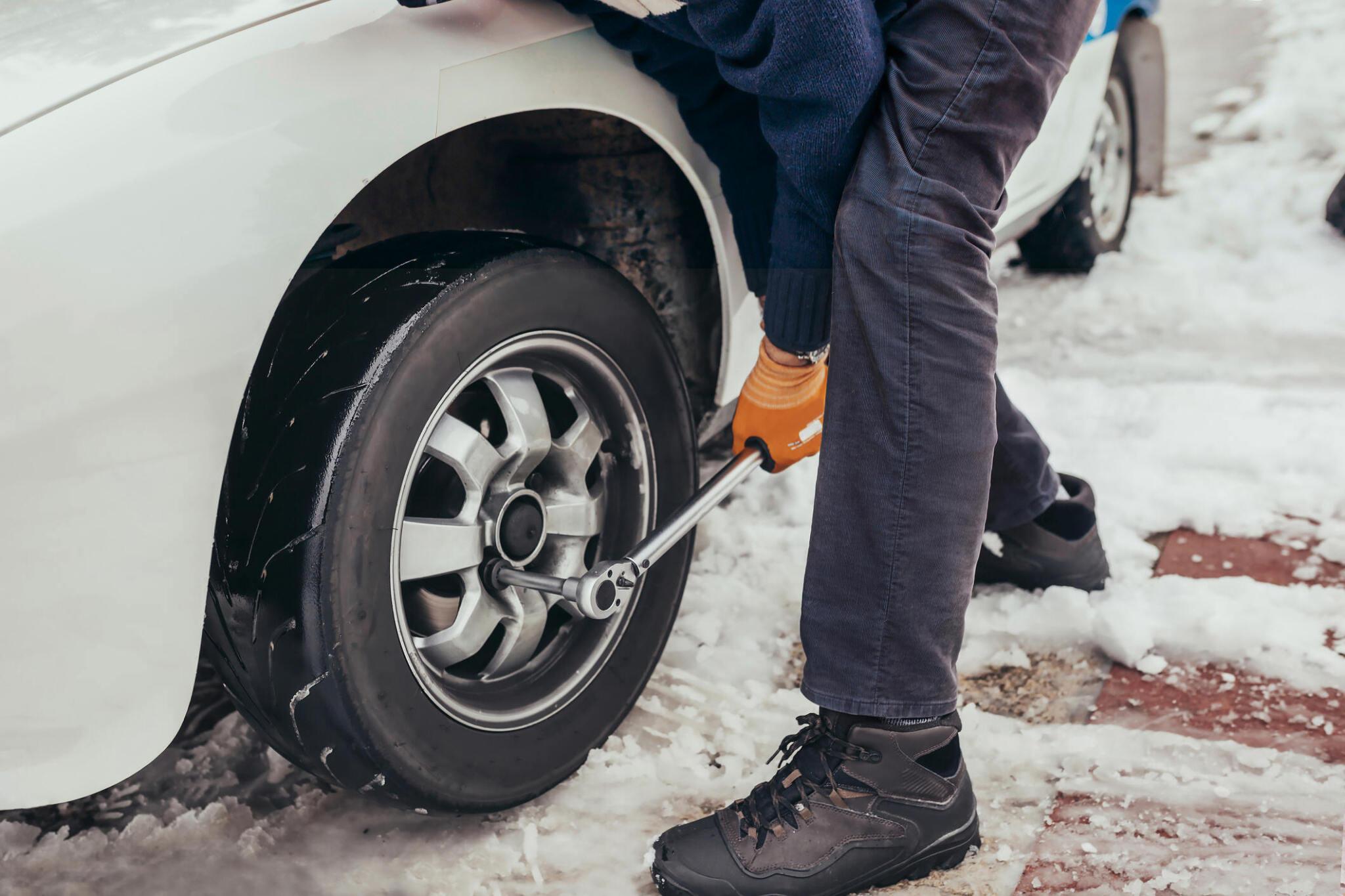
No matter which route you choose, having a pro handle the tire mounting and balancing is critical for the following reasons. Here are some intelligent installation tips:
- This step is vital for your safety and your car’s overall performance on the road. It’s also smart to get your wheel alignment checked for even tire wear and top-notch handling.
- Regular tire maintenance is essential, so keep an eye on inflation levels, tread depth, and any signs.
- When deciding whether to buy tires with or without rims, it all boils down to what you need, want, and can afford.
- Weigh the benefits and drawbacks of each option, and don’t shy away from seeking expert advice.
- The right combination of tires and rims is out there, waiting to take your driving experience to new heights.
Understanding When New Tires Are Needed for New Rims
You might also need new tires when you decide to get new rims. This could be because of compatibility issues, wear and tear, or simply because you want to upgrade your vehicle’s performance. Let’s take a look at the key considerations together:
- Matching Rims and Tires: If you’re opting for new rims, check if they’re compatible with your current tires. Tires fit specific rim dimensions, so it’s all about getting this pairing right.
- Diameter Dynamics: The diameter of your new rims is essential. If there’s a change in diameter from your original wheels, it’s time for new tires. There is no middle ground here; it’s either a fit or not.
- Width Wonders: If you are considering a change in rim width, you might need new tires if the width difference is more than an inch. Wheels come in various widths, each accommodating a range of tire sizes.
- Sticking to Size: If the new rims mirror the width and diameter of your old ones, and your tires are still in fine fettle, there is no need for new tires.
Deciphering Wheel Size Dimensions
Understanding wheel size dimensions can be tricky, but don’t worry! It’s all about getting familiar with the different specifications, usually represented by a combination of numbers and letters.
These dimensions are helpful because they give you all the essential details about the wheel’s size, shape and how well it works with different tires. Let’s break down the critical elements in deciphering wheel size dimensions:
- Rim Diameter: This is a deal-breaker. It is measured in inches and needs to match your tire’s requirements precisely. There’s no room for approximation; a 20″ tire won’t fit on a 21″ rim, and vice versa.
- Rim Width Flexibility: Wider wheels can house wider tires. But there’s a range; for instance, an 8″ wide wheel can fit tires from 215mm to 245mm. Aim for a tire width that’s comfortably within this range.
- Size Compatibility Example: If your tires are 225/35-17. These fit on 17-inch wheels with widths ranging from 7 to 8.5 inches. The trick is to match the tire size to the width range of the rim.
Key Factors Determining When to Replace Your Car Tires
It’s necessary to know when to replace your car tires. This helps keep your vehicle safe, performing well, and running efficiently. A few critical factors can help you decide when to change your tires.
Understanding Tire Aging
Even if your tires have enough tread depth, they can still wear out over time due to various factors:
- The Lifespan of Tires: Tires aren’t just about tread depth; they age, too. Over time, the rubber becomes less flexible, may crack, and can even start separating from the steel cords, leading to risky driving conditions.
- Tire Type: Different tires have different lifespans.
- Road Conditions: Rougher surfaces accelerate wear and tear.
- Sunlight and Environment: UV light and atmospheric elements can hasten aging.
- Usage Frequency: More driving equals faster aging.
- Maintenance Quality: Regular care can extend tire life.
- Oxidation, The Aging Culprit: The primary reason tires age is oxidation. Over time, this process dries out the rubber, making it brittle and unsafe for use.

Things You Can Do to Increase Tire Lifespan
To optimize the lifespan of your tires and ensure they serve you well, pay attention to them. Here’s a friendly guide to keeping your tires in top shape:
- Regularly Check Tire Pressure: Make it a habit to inspect your tire pressure every 3,000 miles or once a month, especially before embarking on long journeys. You can easily measure this using a pressure gauge or rely on the built-in tire pressure monitoring system, a standard feature in all vehicles manufactured in the U.S. after September 1, 2007.
- Reference the Manufacturer’s Recommendations: For the ideal inflation level, consult your vehicle’s manual or the tire information placard. This is more than just following guidelines; it’s about improving your vehicle’s fuel efficiency (up to 3%) and preventing uneven tread wear, which is frequently the cause of the need for new tires.
- Inflate When Tires are Cool: It’s a little-known fact that you should inflate your tires when they’re cool. Why? Because the air inside your tires heats up and expands as you drive. Raising them to their maximum capacity right away may result in over-inflation once you hit the road.
- Tire Rotation: Tires should be rotated every 5,000 to 8,000 miles. This practice is necessary for promoting even tread wear and, as a result, extending the life of your tires. While rotating them, inspect each tire for signs of unusual damage or wear.
- Remember that if your tires are directional (designed to rotate only in one direction), you should avoid circling them from the back to the front and vice versa, as this can negatively impact your vehicle’s handling.
- Tire Balancing: Balanced tires are needed for a smooth ride and uniform wear. If you overlook balancing your tires, you might deal with premature tire wear, increased fuel consumption, or even the risk of a tire blowout.
Here are a few tips that can help you know if your tires need balancing:
- Visually inspect your tires. If you notice any imbalance, it’s a clear sign.
- Take your vehicle for a quick, straight drive. Pay attention to any unusual tilting or vibrations.
- Examine the tread wear. Uneven wear is a standard indicator that your tires are out of balance.
Minimize UV and Ozone Exposure: Like our skin, tire rubber is vulnerable to excessive sun and ozone exposure damage. This can lead to a loss of elasticity, vital for the tire’s grip and functionality. To prevent this, park your vehicle in a place with limited or no exposure to these elements.
Consider using a climate-controlled garage. These specialized garages are designed to reduce the environmental factors that accelerate the need for new tires.
Proper Tire Washing: Keeping your tires clean is about more than just aesthetics. It’s about using the right products and methods to ensure they remain in top condition. Here are some tips for tire washing:
- Change the water used for washing and rinsing your tires regularly.
- Clean your brushes after each use to avoid transferring dirt onto the tires.
- Be cautious when using tire protectors. While they may appear helpful, some can strip essential oils from rubber, causing them to deteriorate faster. Simple soap and water will often suffice if your tires are otherwise in good condition.
By following these practices, you’re not just cleaning or parking your vehicle; you’re actively prolonging the life and enhancing the performance of your tires. A little care goes a long way in ensuring your tires stay road-ready for as long as possible!
Understanding When It’s Time for New Tires
Your car’s tire tread is a telltale sign indicating when to consider replacing your tires. Think of the tire tread as the patterned surface on the tire that makes direct contact with the road. This part of the tire is ingeniously designed with a mix of grooves, ribs, and blocks, all working together to ensure your vehicle grips the road securely.
The importance of a well-designed tread pattern can’t be overstated. It helps maintain control of your car, particularly in challenging weather conditions like heavy rain, snow, or muddy terrain.
As your tire ages and racks up miles, the tread naturally wears down, reducing depth. Let’s break down this process in a friendly and technical manner:
- Checking Tread Depth: The penny test is a quick and easy way to check your tire tread. Insert a penny upside down into the tread groove. If the top of Lincoln’s head is obvious, it’s a sign your tread is too low, indicating it’s time to get new tires.
- Watching for Uneven Wear: If you observe uneven wear on your tires, it could be due to incorrect tire pressure or wheel misalignment. In such cases, having a professional assess your tires is wise. They can determine whether you need new tires or if there’s another underlying issue.
- Regular Replacement is Key: Even if your tires appear in good condition, replacing them every few years is prudent. Over time, tires can dry out and develop cracks, which aren’t always visible but can compromise safety.
- Consulting Professionals: When in doubt about the condition of your tires, seeking professional advice is always a good idea. They can thoroughly inspect your tires, guide you on whether a replacement is necessary, and assist in selecting the right tires for your vehicle and driving requirements.
Essential Car Tool Kit for Tire Changes
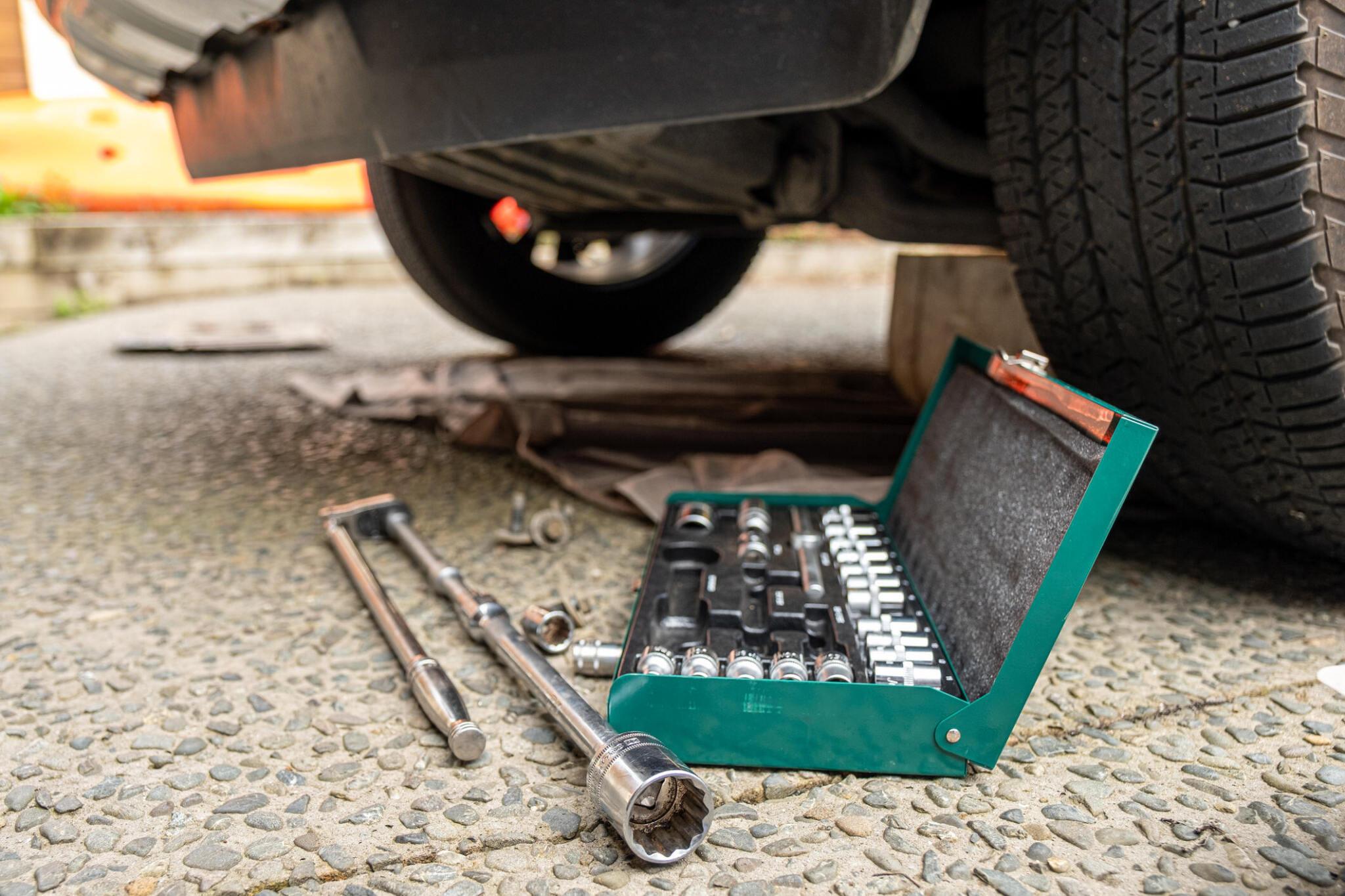
A tire change tool kit in your car is an innovative and practical way to ensure you can handle unexpected flat tires or routine tire maintenance. Here’s an overview of the tools you should have in your car tool kit for tire changes:
- Jack: Your car-lifting hero. This tool helps lift your car off the ground and make tire changes possible.
- Lug Wrench: The muscle for your lug nuts. This wrench helps loosen and tighten the nuts that hold your tire in place.
- Tire Pressure Gauge: Your tire’s wellness checker. This tool ensures that your tires are inflated to the ideal pressure.
- Spare Tire: Your backup plan. Always handy in the event of a flat tire, a spare tire is a must-have in your car’s toolkit.
Keeping these tools in your car equips you to handle tire changes like a pro, ensuring you’re always prepared for those unexpected flat tire moments.
When to Replace and How to Change Your Tires Safely
Here are some technical tips to remember if you need to change your tires:
- Choosing the Right Size: Refer to your car’s owner’s manual to determine the correct tire size for your vehicle. If you’re still uncertain, a professional can provide guidance.
- Safely Jacking Up Your Car: Knowing how to jack up your car correctly is essential to avoid any damage during the tire change. Auto parts stores have the necessary tools, like jack stands, and their staff can offer assistance if you need clarification.
- Securing Lug Nuts: Ensure that the lug nuts connect the tires to the car and are tightly fastened. A loose lug nut can lead to a tire coming off while driving. Use a lug wrench to tighten them until they are snug.
- Checking Tire Pressure: Proper tire pressure is necessary for even tire wear and overall vehicle performance. The recommended pressure can be found in the owner’s manual or on a sticker inside the driver’s door. Use a tire gauge to check and adjust the pressure as needed.
Changing tires might seem challenging, but with these tips, you can confidently ensure your car is safe and road-ready!
Conclusion & Recommendations
It’s essential to understand the details of rim and tire compatibility and your vehicle’s specific needs. It’s also helpful to consider your budget, style preferences, and seasonal requirements.
Whether assessing the load rating and center bore of rims or considering the impact of wheel diameter and width on tire choices, each aspect significantly determines the best fit for your vehicle.
Opting for tires with rims offers the convenience of guaranteed compatibility and ease of installation, which is especially beneficial when dealing with seasonal tire changes. However, this might come at a higher cost and with limited customization options.
On the other hand, purchasing tires without rims provides a broader range of options and is often more cost-effective, but it requires careful consideration of mounting and balancing needs.
Finally, the decision comes down to your needs, vehicle type, and personal preferences. Regardless of the combination you choose, regular maintenance and understanding the nuances of tire aging, pressure checks, and balancing can significantly extend the lifespan of your tires and rims.
Giga Tires: Your Go-To Destination for Wheels and Tires
At Giga Tires, we understand the complexity of these decisions and are here to help you navigate them. Our extensive collection ensures you’ll find the perfect match for your vehicle, whether you’re looking for tires with or without rims. Trust us to provide high-quality options that meet your needs and preferences.
Ready to make your purchase? Head over to Giga Tires and explore our wide range of options. You can find your vehicle’s perfect wheels and tires today and drive with confidence and style!
FAQs
When Should You Consider Purchasing New Rims?
Consider purchasing new rims if your current ones are damaged or your tire sizes don’t match your existing ones. It’s also an excellent opportunity to upgrade for style or performance.
Do Tires Typically Include Rims When Purchased?
No, tires do not typically include rims when purchased. However, complete wheel and tire packages offer convenience and compatibility.
What’s the Best Approach to Buying New Rims and Tires?
The best approach to buying new rims and tires is to consider compatibility, vehicle requirements, and driving conditions. Ensure the rims’ size, bolt pattern, and offset match your vehicle’s specifications.
How Often Should Tires Be Replaced?
Tires should be replaced when they show significant wear, such as tread depth below 2/32 inches or visible cracks, or they’ve reached the age of 6-10 years, regardless of visual condition.
Are Rims an Essential Component for Tires?
Yes, rims are essential as they provide the structural base for tires, ensuring proper fitting, vehicle stability, and driving safety.
Is It Preferable to Buy Winter Tires With or Without Rims?
Buying winter tires with rims is more convenient for seasonal changes and helps preserve the tires and rims. However, going without rims can be cost-effective if you’re on a tight budget.
Do Tires Require Rims to Function?
Absolutely. Tires need rims to be mounted on a vehicle. The rim supports the tire and maintains its shape under various driving conditions.
Is It Necessary to Buy Rims and Tires Individually?
Though it’s common to buy rims and tires independently, purchasing them together in a package is also possible. This can offer convenience and ensure they’re well-matched. Ultimately, the decision should align with your requirements and taste.