
Last Updated on 4 months
As we navigate the delicate balance between progress and conservation, we frequently encounter the unforeseen consequences of our inventions. Take synthetic rubber, for instance. It’s truly remarkable how this innovation drives our civilization forward, yet it leaves a significant environmental footprint. Every year, we’re faced with the disposal of nearly 290 million tires, with a staggering 20% ending up in illegal dumpsites.
Yet, there’s a silver lining to this cloud. The past decade has seen an increase in tire recycling efforts — a beacon of hope for our overburdened planet. A new development is giving old tires a fresh start, even though they are known for taking up a lot of space in landfills and refusing to decompose.
Tre Recycling turns these circular byproducts from landfill clogs into innovative products. This process modifies the rubber fabric, allowing us to weave it into new forms and functions. The significance of this can’t be overstated, as the sheer bulk of discarded tires presents a formidable logistics and environmental challenge.
This eco-conscious journey started in the nineties, following the European Union’s pledge to trim its tire trash tallies. Back then, the resilience of synthetic rubber meant recycling methods were few and far between. By 1990, the U.S. had over a billion tires gathering dust in dumps. But with the advent of clever technologies like devulcanization and pyrolysis, the tire’s tough exterior was no longer an obstacle but an opportunity for reconstruction.
Fast forward to 2015, and the U.S. saw its tire stockpiles reduce to 67 million. Europe also hit a milestone by 2010, recycling 95% of its discarded tires, many of which fueled the fires of industry. While some recycled tires are still used as fuel, the show’s star is ground rubber — a versatile material that gives new life to various products.
What are tires made of?
Tires are made of a complex blend of materials designed for durability and performance. At their core, they consist primarily of natural and synthetic rubber. The rubber is carefully mixed with reinforcing fibers and steel cords to enhance strength and flexibility. These materials are carefully layered and shaped, creating a product that can withstand immense pressure and different environmental conditions.
Additives like carbon black and silica are mixed in to enhance traits like longevity and traction. This sophisticated composition makes tires essential for safe transportation and presents unique challenges in recycling and disposal. Here are some other materials tires are made of:
- Rubber and Polymers: At the heart of every tire is a blend of natural rubber and synthetic polymers, each bringing its properties to ensure your tires can grip the road and last for the long haul.
- Metal and Textile Fortitude: Steel and textiles lend strength to tires, with steel belts interwoven at strategic angles for durability, and textiles like polyester, rayon, or nylon give form and flexibility.
- Fillers for Toughness: Carbon black and silica play an essential role in enhancing the durability and resilience of your tires, making them capable of tackling various road conditions.
- Chemical Protectors: Antiozonants and curing agents like sulfur and zinc oxide are the tire’s guardians, preserving its integrity against the elements.
Layers of a tire
Discover the essential layers that make up a tire, and learn how each layer contributes to its performance and safety during your journey.
- Bead Bundles: These steel wire bands ensure your tire stays snugly fitted to your wheel. Think of them as a firm handshake between tire and rim.
- Bead Filler: This rubber layer, which sits atop the bead bundle, maintains the tire’s shape and ensures it responds well when you turn the wheel.
- Steel Belts: It is crossed at opposite angles beneath the tread, acting as the tire’s stabilizing core, ensuring smooth rolling and resistance to obstacles.
- Body Ply: This is where polyester, rayon, or nylon come into play, providing a solid yet flexible foundation for the tire.
- Inner Liner: The modern replacement for the inner tube is a rubber layer that keeps the air in, maintaining the tire’s inflation.
- Sidewall: This part protects the side of the tire from impacts and curbs, giving you a smooth ride.
- Tread: This part meets the road and is designed for maximum contact, grip, and water displacement.
When tires reach the end of the road, they embark on a new life through recycling in the following ways:
- Rubber Rebirth: From mulch in your garden to generating energy, recycled tire rubber gets a second chance to be helpful.
- Steel’s Second Act: Tire steel is not hesitant to be repurposed, whether for constructing new tires or reinforcing a skyscraper.
Recycling tires isn’t just about being eco-friendly; it’s an excellent way to repurpose valuable materials, conserve energy, and give those old tires a new stage to perform on.
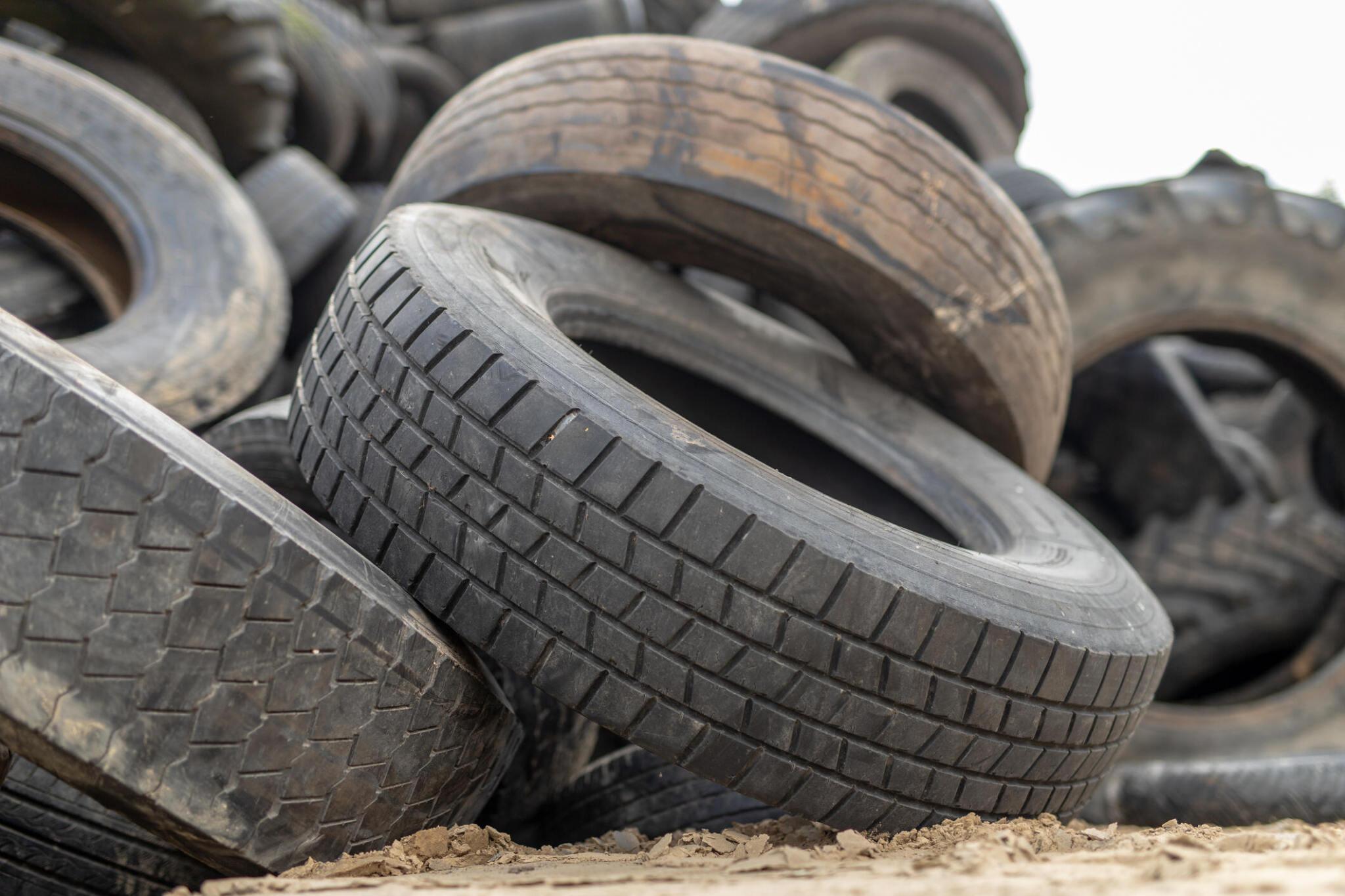
The Journey from Landfills to New Life
As we move forward in modern times, we often come into contact with things that test our commitment to protecting the environment. Take synthetic rubber as an example. This material has changed how people move around, but it also leaves a permanent mark on our planet. In the U.S., about 290 million tires reach the end of their useful life every year, and 20% end up in illegal dumps.
This presents a substantial problem because these circles of non-biodegradable rubber take up valuable space in our landfills and get in the way of a nation to reduce its environmental impact. Yet, there’s a flip side to this rubber coin. Tire recycling has changed significantly in the last ten years, from being a problem to presenting many opportunities.
Tires get a second chance when they are recycled. They are saved from becoming trash in a landfill and turned into something new and valuable. This isn’t just a makeover; it’s a significant change that often reinvents what rubber is all about. Imagine how things will differ when millions of tires are turned from trash to treasure.
The practice gained real traction in the ’90s following the European Union’s lead, but in the U.S., there has been a remarkable shift. In the ’90s, over a billion tires were sitting in dumps nationwide. The tide began to turn with the advent of intelligent technologies like devulcanization and pyrolysis, making rubber regeneration a reality.
By 2015, the once-mounting tire piles had reduced significantly to 67 million. Meanwhile, across the Atlantic, Europe was hitting recycling rates of 95% by 2010, using many of those tires as an energy source for industry. The U.S. has a similar trend, focusing on grinding down old tires to create ground rubber for new products.
Every tire can begin a new lifecycle with this spirit of resilience and innovation toward a more sustainable future. This shows that America is on a roll when it comes to conservation.
Creation to Re-Creation: The Sustainable Journey of a Tire’s Life
The Sustainable Journey of a Tire’s Life” highlights the entire lifecycle of a tire. This begins with the careful manufacturing using durable materials, through their active service on various terrains, to their eventual recycling.
In this final stage, old tires are ingeniously repurposed into new, eco-friendly products, showcasing the potential of sustainable practices in the automotive sector. Here are some essential details about a tire’s journey:
- Crafting Durability: Tire makers are on the frontline of innovation, using cutting-edge tech to prepare tires that last longer. These robust tires keep you safer and are kind to the environment when their road life ends.
- Precision in Production: The idea of “waste not” starts with tires. Every tire is made with precision engineering, cutting down on waste before it hits the road.
- Streamlined to Shelves: By zipping tires directly to retailers, storage time is reduced, and each tire arrives in pristine, road-ready condition.
- In Your Hands: The tire’s destiny is now linked to its treatment. It could roll on longer than expected with the proper care and maintenance.
- Eco-Conscious Commitments: Tire retailers and manufacturers aren’t just selling you rubber; they’ve agreed to reduce tire turnover by offering retreading services and thoughtful replacement policies.
- Second Chances: Tires don’t end up in a landfill when no longer needed. With the right tech, they can be reborn – burned for energy or remade into new products, spinning the wheel of sustainability.
Challenges and Smart Solutions for Tire Waste in Landfills
Tires piling up in landfills aren’t just an eyesore but a real space hog. Imagine three-quarters of a tire just taking up space, making it an oversized trash item. Plus, they’re known for trapping methane gas, which makes them swell and upset the balance of the landfill by breaking through the earth’s defenses and rising to the surface.
Now, picture this: a tire pile catches fire. It’s not just a little whoosh and gone; these fires can rage on for months, spewing out toxic fumes. In this case, synthetic rubber can become dangerously flammable, especially when mixed with other decaying matter.
Things get more complicated when tires don’t even make it to the dump. Yes, some end up in nature by being dumped illegally in the forests and other sensitive areas, where they attract bugs and rodents.
But let’s go in a better direction. In some innovative landfills, the rubber from old tires is recycled, giving it new use as a strong material for building and fortification projects. Shredded rubber can be used instead of sand and helps with the infrastructure inside the landfill, like keeping the waste cool and liquids under control.
But there is a catch: recycled rubber must be used carefully in landfills close to water so that no harmful chemicals leak into our precious groundwater. That’s why recycling smart is essential, and those rubber toppers must be kept in check.
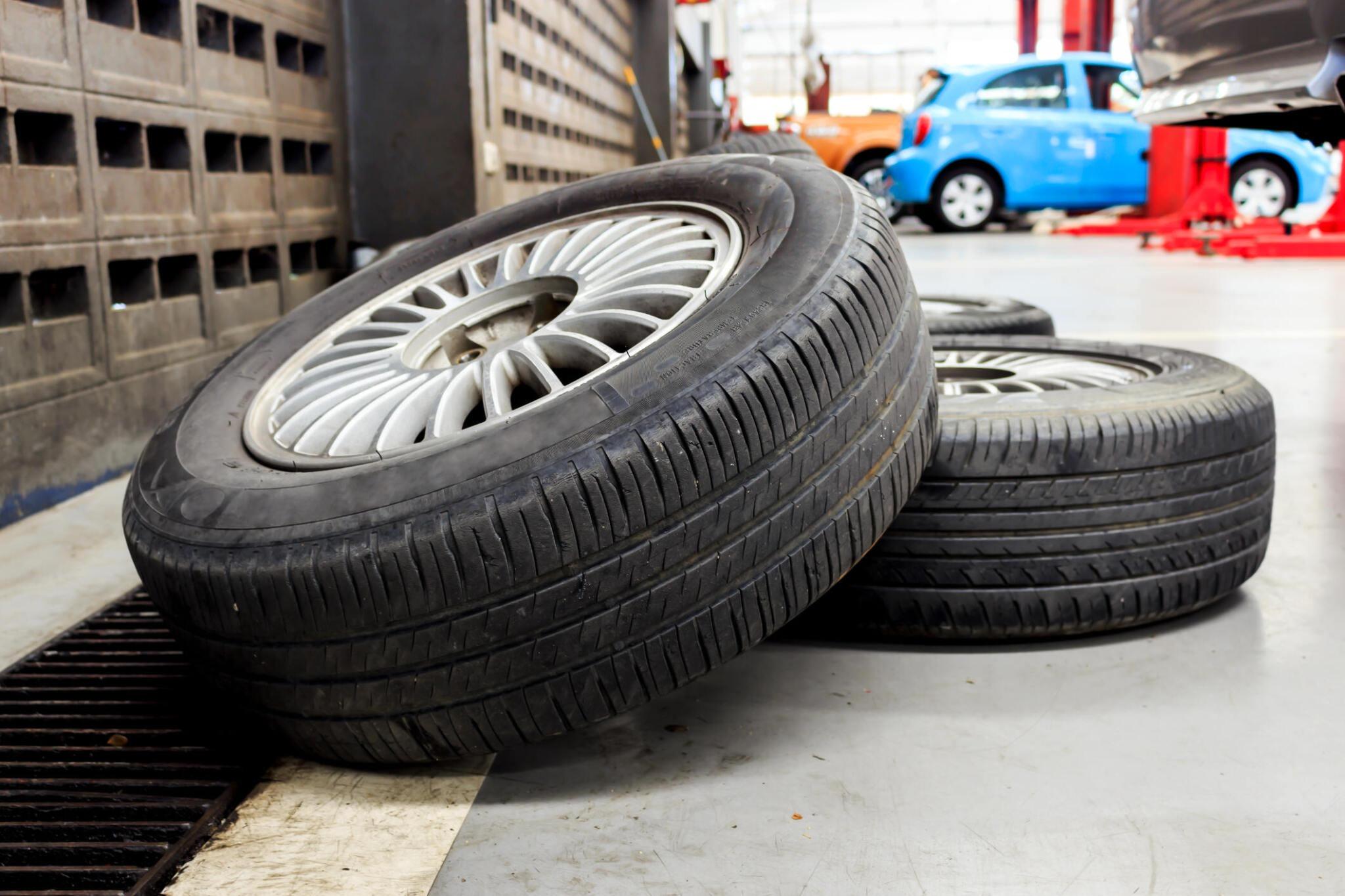
What Happens to Your Old Car Tires?
When your car tires end their road life, they don’t just disappear. Instead, they start a new journey of recycling and creative reuse. These old tires are often turned into useful things like rubber mulch for playgrounds, road-building materials, or even fuel for making energy.
This change helps reduce the trash in landfills and shows how the recycling and auto industries are working to be more environmentally friendly.
- End-of-Road Adventures: Don’t let your car’s tires retire to a landfill! Reach out to scrap tire programs across the U.S. dedicated to giving old tires a new mission.
- Recycling Partners: A lot of retailers, including your friendly neighborhood auto shop, are working with others across the country to turn old tires into new things, like sports fields or cozy floors.
- Transparency in Tire Tracking: These tire wizards also keep tabs on the tire transformation, providing you with the stats on how many tires are getting a second chance at life, both in your local area and across the U.S.
- United States Tire Stewardship: A Network of American Recyclers Sharing Expertise for Sustainable Tire Lifecycle Management”
How Tire Recycling Works
Are you curious about how your old tires are transformed into something new? Let’s take a page from Jim Baker of KAL Tire, who shared insights with Vancouver’s Breakfast Television from the bustling Western Rubber Group facility in Delta, BC. He highlighted the Be Tire Smart program, emphasizing the importance of tire upkeep for longevity and environmental benefits.
Driving Towards Greener Tires
Tire manufacturers are constantly innovating to boost your vehicle’s fuel efficiency by reducing tire drag and rethinking the very composition of tires. Here’s what they’re up to:
- Eco-wise Material Makeover: They’re cutting down on raw materials, opting instead for recycled and eco-friendly alternatives.
- Plant Power-up: Manufacturing plants try to be as efficient as possible by using as little energy and waste as possible.
- Lifecycle Leadership: From the moment a tire hits the road to its last mile, it focuses on responsible use and management.
You can expect a lot of progress in rubber mixing, tire design, and even intelligent diagnostic tools as the rubber industry works harder to protect the environment. This is all thanks to a strong partnership between tire companies and car companies that want to give your car the best tire technology.
Revamping Old Tires
Tires have long been used as an energy source for manufacturing plants, but this method isn’t exactly a breath of fresh air for our atmosphere due to the emissions. So, it’s time to look beyond the burn and embrace cleaner ways to give these tires a second life, and the good news is that more sustainable options are on the rise.
Take, for example, the transformation of tires into innovative hot melt additives for pedestrian paths. They are reshaped to improve the mix for concrete and recycled asphalt pavements (RAPs). Or consider how whole tires are fed to the fiery belly of industrial cement kilns, where they vanish in a puff of vapor under extreme heat.
You might wonder, “Why can’t tires be recycled like paper and plastic?” There have been attempts, but tires with too much recycled rubber don’t last as long as they should. New tires can only use a small amount (up to 5%) of recycled rubber to keep our roads safe.
Shredded rubber can be used in gardens instead of wood chips to add a touch of green. Even though they’re tiny, these rubber bits are surprisingly good at keeping water in and weeds out. Don’t be surprised to see this recycled rubber in flowerbeds at home and in big public parks.
Can Used Tires Be Turned Into Practical Products?
Absolutely! Turning used tires into practical, long-lasting products is possible and a process filled with innovation and value. While it’s a road that requires more sophisticated technology and time, the emerging products are genuinely game-changing. Instead of burning tires for fuel, which only gives short-term benefits and could be bad for the environment, recycling them into new products gives us honest, long-term benefits.
Here’s a rundown of the amazing transformations that recycled tires can undergo:
- Rubber-Enhanced Roads: Imagine roads that are more forgiving and last longer. That’s the magic of rubber-modified asphalt, where ground-up tires add resilience to our daily drives.
- Building Blocks of Construction: Worn-out tires are used as solid materials for curbs, floors, and even railroad ties. They’re often paired with rigid plastics to make them even more robust.
- Playgrounds and Sports Courts: Recycled rubber makes sports and play safer and more enjoyable, giving surfaces a cushioning bounce that protects avid athletes and kids who like to play.
- Eco-Friendly Abodes: In a stroke of genius, whole tires are packed with soil to build “earth ships”—sustainable homes that stand strong and leave a minimal environmental footprint.
- Defenders of the Environment: When protecting our precious landscapes, packed tires are on the front lines, guarding against floods and erosion with their heavy, immovable presence.
- Step into Sustainability: Tires can be incorporated into your active lifestyle by reimagining them as flexible, durable soles for shoes that allow you to tread lightly on the earth.
These are just a few of how we’re driving the tire lifecycle towards a more sustainable and innovative future.
Can I Recycle Tires?
You can give old tires a second life through recycling. It is essential to recognize that different locations have varying preferences for different types of tires. So, contacting local recycling centers and businesses is a good idea to find out which tires they’ll accept with open arms.
How many tires get recycled every year?
In the United States, the tire recycling rate has been quite robust. According to the U.S. Tire Manufacturers Association (USTMA), out of the approximately 246 million scrap tires generated annually, around 76% are recycled.
This translates into about 187 million tires repurposed for various uses yearly. The U.S. had made significant strides in tire recycling since the 1990s, when most used tires ended up in landfills or stockpiles.
Navigating the Tire Recycling Journey
There is a specific way to recycle tires that have rolled their last mile, depending on their condition and the hidden treasures they hold. Some tires keep their round shape and are used again, while others go through a splitter or shredder and come out as ground rubber, crumb rubber, or other materials ready for a second life.
Did you know? About 7% of recycled tires go on new adventures abroad, and 8% play a unique role that doesn’t change much. It’s also interesting to know that 40% of these rubber road warriors power different industries.
So, whether you’re passing on your tires to new hands, generously donating them, returning them to the circle of life through recycling, or reimagining them into something new, you’re driving a greener tomorrow.
How to Recycle Tires?
Recycling tires is a straightforward process, but it requires some legwork. Here’s a step-by-step guide to ensure your tires are taken care of responsibly:
- Mechanic Services: If a professional changes your tires, they usually handle the disposal and recycling for you, which is part of their service.
- DIY Tire Change: Contact your local waste management service for individuals who change their tires. They often have specific programs for tire recycling.
- Local Shops: Your neighborhood auto shops may get those old tires off your hands for recycling, saving you a trip to the recycling center.
- Recycling Centers and Retread Facilities: Urban and suburban areas often have dedicated facilities where tires are disposed of and given a new lease on life. Some may even offer a small rebate for your contribution.
- Pickup Services: If transporting tires is a hassle, look for local businesses that offer pickup services. While some might charge, others might do it as a community service.
- Donation: Consider donating your tires to programs that repurpose them. They might even handle the pickup, making it a win-win for everyone.
Remember to check for specific requirements or fees, and always opt for environmentally friendly disposal methods to keep those tires rolling into a greener future.
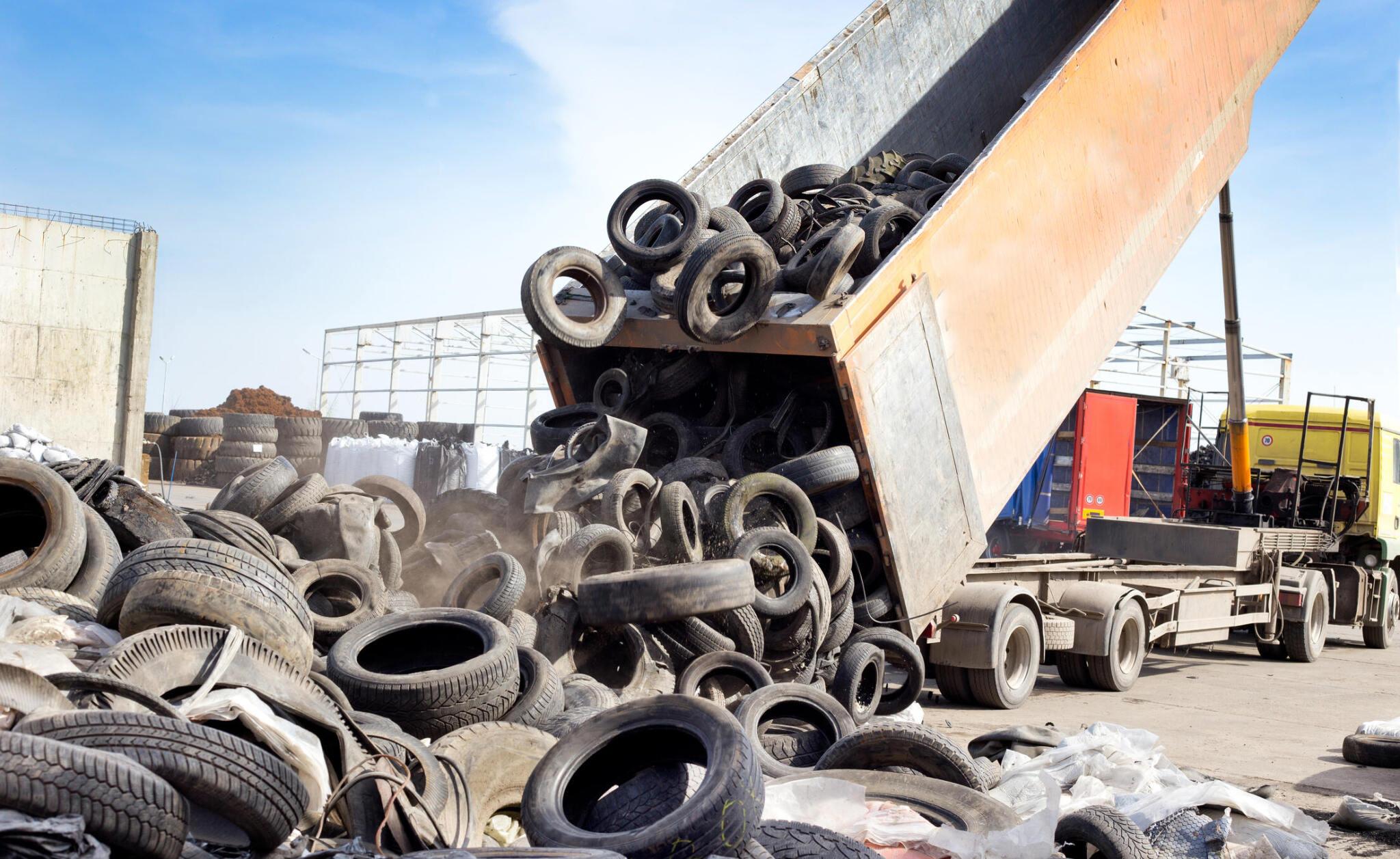
The Remarkable Afterlife of Recycled Tires
Have you ever wondered about the next chapter in the life of your retired tires? The possibilities are impressive! Recycled tires are like the chameleons of the manufacturing world, transforming into various products. Here’s a glimpse of what they can morph into:
- Textile Wonders: Those old tires can be spun into fiber and nylon, finding new life in products like tough, durable carpets.
- Building and Construction: In construction, recycled rubber makes strong bricks and durable floors.
- Plastic Fantastic: Tires can undergo a metamorphosis into polyethylene plastic, a versatile material used in countless products.
- Energy on the Move: Tire-derived fuel (TDF) is a powerhouse for specific manufacturing processes, while tire-derived aggregate (TDA) is the groundwork for infrastructural projects.
- Fine Grinds: Rubber powder is another outcome, quickly slipping into new roles.
- Metallic Rebirth: The steel from tires gets a new lease on life, often reinforcing other structures.
- Green Scenes: Recycled tires can be used as mulch and border materials in landscaping to keep things green.
A tire’s journey from the road to rebirth shows that with a bit of creativity and technology, recycling can lead to remarkable transformations.
Uses for Recycled Tires
Who knew an old tire could embark on such an adventurous second act? Recycled tires are the unsung heroes in various roles, from acting as an eco-friendly gravel alternative to being transformed into crumb rubber for all applications. Here are some uses of recycled tires:
- Gavel Alternative: Recycled tires can replace gravel, bringing an eco-friendly twist to traditional uses.
- Crumb Rubber: These granulated bits are versatile enough for various applications, from playgrounds to athletic fields.
- Landfill Liners and Covers: Tires get a new lease on life as protective layers in landfills, helping to insulate and secure waste.
- Water Filtration: Ground tire material also works in wastewater treatment, quickly filtering out impurities.
- Garden Mulch: Your garden can thrive with tire-derived mulch that keeps the earth nurtured and weeds at bay.
- Road and Asphalt Enhancements: Recycled tires lend strength and durability to road construction and fortification.
- Drainage Materials: Tires can be re-engineered into materials that manage water flow and drainage.
- DIY Upcycling: The creatively inclined can use Rims and tires as blank canvases.
- Personal Touch: Recycling may require some DIY dedication, but it rewards you with unique, functional pieces that tell a story.
Exploring Pyrolysis: A Forward-Thinking Tire Recycling Method
While there are some arguments against it, pyrolysis is one of the most innovative ways to recycle tires. It has a reputation for being clean. When done correctly and with the right tools, this method is perfect for the environment because it produces few harmful emissions. However, when corners are cut to save costs, the environmental integrity of pyrolysis can be compromised, leaving its green potential unfulfilled.
Here’s how it works: Tires, either whole or cut up, go into the pyrolysis arena and face the heat in a room with no oxygen. The rubber breaks down in this scorching place, releasing the polymers locked up into smaller molecules. These molecules move around and turn into a vapor, which is then gathered into a container.
What happens next is quite the transformation — these rubber vapors either condense back into fuel oil or combust as they power other industrial masters. Occasionally, some polymers don’t release vapor and are harnessed as an alternative fuel source.
Mineral ash accounts for approximately 40% of the tire’s mass, though the exact percentage varies. Shredded tires with no steel or fibers tend to produce less ash. This byproduct, known as “char,” is essentially the carbon black from the tire’s original recipe, which has now been downgraded to a primary fuel.
Even though it has some problems, pyrolysis is a cleaner alternative to recycled tires. Although it has great potential, it isn’t very efficient, and many tires aren’t recycled. However, the process improves yearly, riding the wave of constant innovation toward a future where recycling tires is cleaner and more effective.
The Environmental Footprint of Tires
The resources used to make tires weigh heavily on the environment, and their use has a less visible but widespread impact. We will explore the environmental story of tires, from the oil and steel that make them to the microplastics they leave behind.
- Resource-Intensive Production: Tire manufacturing is not easy because it requires large amounts of oil and steel, which are both very bad for the environment because they release many greenhouse gases.
- Oil’s Environmental Footprint: Oil production accumulates greenhouse gases and contributes to air and water pollution, making it a notable eco-concern.
- Steel’s Carbon Trail: The journey of steel from ore to tire is marked by significant carbon dioxide emissions, adding another layer to the environmental impact.
- Extraction’s Toll on Nature: Getting the oil and steel needed to make tires is like a double-edged sword because it uses natural resources and releases pollution.
- Tires’ Trail of Microplastics: As tires wear out, they leave behind a trail of microplastics that can go from the road to rivers and oceans, where they can become unwanted guests in aquatic ecosystems.
- Under the Microscope: While research on the full impact of these microplastics is ongoing, it’s clear they’re not just a problem for the environment but for wildlife and human health, too.
Navigating the Tire Disposal Challenge
Tire disposal is a multifaceted challenge that stems from their construction to their final destination. They last long and are suitable for drivers, but their disposal is a significant problem. Below, we will explore why tire disposal is more complex than it may seem and the creative solutions emerging in recycling:
- Complex Life Cycle: The journey of a tire begins with the extraction of natural rubber, followed by an intricate process of combining it with reinforcing materials, metals, and chemical additives to produce the final product.
- Durability Dilemma: When their time on the road is up, tires must deal with being disabled. Since they are made to last for miles of travel, they don’t break down naturally and can cause landfills to overflow.
- Innovative Reuse: The silver lining is that today’s manufacturers are repurposing scrap tires for various applications in construction and infrastructure, and even exploring the development of biodegradable tire models.
- Fire Hazards: The common but risky practice of burning tires to dispose of them or recover metals poses environmental and health risks due to the toxic emissions it emits.
- The Recycling Route: Shredding tires opens up possibilities for their reuse in creating pavements, athletic tracks, and even as fuel for industrial processes.
- Global Waste Tire Statistics: With India alone contributing to a substantial 6% of the world’s waste tires, the country has turned to importing waste tires to recycle them into industrial oil and related products, though this process is not without pollution concerns.
The tire disposal process is not just about removing an unwanted item. It’s a complicated process that needs careful thought about how it will affect the environment and how it might be possible to reuse resources.
Are Old Tires Safe To Recycle?
The safety of recycling tires is a topic that often rolls into conversations, and rightfully so. With recycled tires being integrated into children’s play areas and agricultural settings, it’s natural to question their impact on health.
Let’s examine the two main concerns that often pop up regarding the safety of recycled tires: the emission of volatile organic compounds (VOCs) and the potential for chemical leaching.
- Understanding VOCs in Recycled Tires: Tires emit VOCs like new cars do. However, when tires are ready to be recycled, most of these compounds have degraded, making them safe for consumer use, especially in outdoor applications.
- The Stability of Recycled Tires: Though the initial production of tires involves harmful chemicals in high concentrations, recycled tires are remarkably stable. Rest assured, your homegrown tomatoes in tire planters are safe to eat!
- Decades of Research on Tire Safety: It’s worth noting that concerns about chemical leaching were significant in the 80s, but extensive research since then, including studies on tires in marine environments, has consistently demonstrated their safety.
When recycling tires, the journey from road to reuse is paved with stringent safety checks and thorough research, ensuring that these durable materials can be repurposed with peace of mind.

Safe Recycling and Responsible Disposal of Old Tires
While old tires are stable and safe, choosing responsible recycling methods and avoiding risky practices is essential to ensure their continued contribution to a greener planet. Here are some safe recycling and responsible disposal practices:
- Chemical Stability of Old Tires: Old tires and tire-based products are impressively stable and can last decades without significant degradation. They remain safe even when exposed to the harshest elements, like sunlight and seawater.
- The Crucial Role of Proper Recycling: To maintain this safety, it’s essential to entrust old tires to professional recyclers, such as Western Tire Recyclers. These experts ensure that tires are processed correctly and do not threaten the environment or human health.
- Recycling vs. Risky Practices: Recycling whole tires for use in outdoor settings, like playgrounds or swings, is a perfectly safe and eco-friendly choice. However, attempting to burn them or create tire chips without professional guidance can lead to safety issues. It’s best to leave such processes to the experts.
- Landfills, The Real Issue: Allowing old tires to accumulate in landfills, rather than repurposing or recycling, is where the real problem lies. Proper disposal and recycling are necessary to prevent this buildup and minimize environmental impact.
What Is the Future of Tire Recycling?
The future of tire recycling is bright, as there are several innovative technologies and ongoing advancements. Here are various creative possibilities for reusing tires in exciting and sustainable ways:
- The Evolving Landscape of Tire Recycling: As rubber recycling methods continue to advance, the reuse and repurposing of tires are becoming more efficient and cost-effective.
- Innovations in Tire Burning: Industrial innovators are pioneering new techniques for burning tires that minimize the release of toxic gases, thereby preserving the environment during recycling.
- A Collective Responsibility: Given the staggering rate at which tires are manufactured, used, and discarded, more than relying on large industries is required. We all have a role in finding ways to reintegrate these artificial materials into our surroundings.
- Small Actions, Big Impact: When adopted by many, small-scale efforts can have a significant cumulative effect. For example, consider repurposing a tire rather than sending it to a landfill when replacing it.
- Creative Reuse: Old tires offer various creative possibilities, such as transforming them into garden planters, adventure swings suspended from tree branches, or sturdy obstacles for strength-based athletic training.
- Promoting Sustainability: By giving old tires a second life, we contribute to a more sustainable future and reduce waste in landfills. It’s an opportunity for individuals to make a meaningful difference in recycling efforts.
Conclusion & Recommendations
Understanding what happens to your old tires is a matter of curiosity and an essential step in promoting environmental sustainability. A tire’s journey from its production to its disposal involves various stages, each with its implications for the environment. We’ve explored tire production’s complexities, tires’ diverse applications, and the disposal options available.
Recycling emerges as a sustainable solution, transforming old tires into valuable products, reducing waste, and minimizing environmental impact. While challenges like non-biodegradability and fire risks exist, individuals can contribute to a greener future by creatively repurposing old tires.
At Giga Tires, we believe in responsible tire disposal and recycling. As you’ve learned about the tire life cycle and its environmental considerations, we invite you to take the next step toward sustainability.
Visit our website at Giga Tires and explore our wide selection of high-quality tires. By choosing Giga Tires, you ensure your vehicle’s safety and performance and support our commitment to environmental responsibility.
Join us in driving towards a more sustainable future. Make the choice that benefits both your vehicle and the planet. Take action today and buy tires from Giga Tires!
Choose Giga Tires for Quality, Performance, and Sustainability.
FAQs
How are old tires managed?
Old tires are commonly recycled or repurposed to minimize their environmental impact. They find applications in creating rubberized asphalt for road construction, playground surfaces, and are even used as a fuel source in cement kilns.
What is the practice of tire shops with old tires?
Tire shops typically send old tires to recycling facilities or collaborate with manufacturers to ensure proper disposal. Some may offer tire recycling services to customers, contributing to eco-friendly practices.
Do old tires decompose naturally?
Old tires do not decompose quickly due to their durable rubber composition. Instead, they break down slowly over time, posing environmental hazards when discarded improperly.
What happens to old tires when they are no longer suitable for cars?
When tires are no longer fit for use on vehicles, they can be repurposed or recycled. This often involves shredding and processing them to create various products, reducing their environmental impact.
Do old tires have any practical uses?
Yes, old tires have several practical applications. They can be recycled, repurposed into rubberized asphalt and playground surfaces, and even used as fuel in industrial processes. This not only reduces waste but also benefits the environment.
What are the potential uses for old tires?
Old tires can be utilized in various ways, including creating eco-friendly construction materials, sports surfaces, garden mulch, and decorative items. Recycling old tires helps conserve resources and reduces environmental harm.
What is the fate of old tires?
Old tires are typically sent to recycling facilities, which undergo processing to be transformed into new products. This eco-friendly approach helps mitigate the environmental impact of tire disposal and promotes sustainability.
Are tires manufactured using old tires?
Tires are not typically manufactured directly from old tires. However, the rubber obtained from recycled tires can produce various rubber products, including certain vehicle tires, contributing to a more sustainable manufacturing process.