
Last Updated on 4 months
Mastering Run-Flat Tires: Essentials for Safe Driving and Longevity
Run-flat tires represent a significant advancement in automotive technology, offering a blend of safety and convenience that traditional tires can’t match. This guide delves into the world of run-flat tires, providing an in-depth understanding of their design, benefits, and how they contribute to vehicle performance and driver safety.
Overview of Run-Flat Tire Technology
Run-flat tires are designed to keep working for a short distance while deflated, allowing drivers to continue to a safe location or repair shop without the immediate need for a roadside tire change. This is achieved through their unique construction:
- Reinforced Sidewalls: Unlike conventional tires, run-flat tires have stronger, reinforced sidewalls that can support the vehicle’s weight even when the tire loses air pressure. This reinforcement prevents the tire from becoming fully flat and helps maintain vehicle control.
- Self-Supporting Design: The self-supporting structure allows these tires to maintain shape and perform under reduced pressure. Typically, they can sustain a vehicle for about 50-100 miles at a reduced speed after a puncture.
- Heat Resistance: Run-flat tires are built to withstand the extra heat generated when driving without air pressure. This resistance prevents the tire from disintegrating and causing further damage to the vehicle.
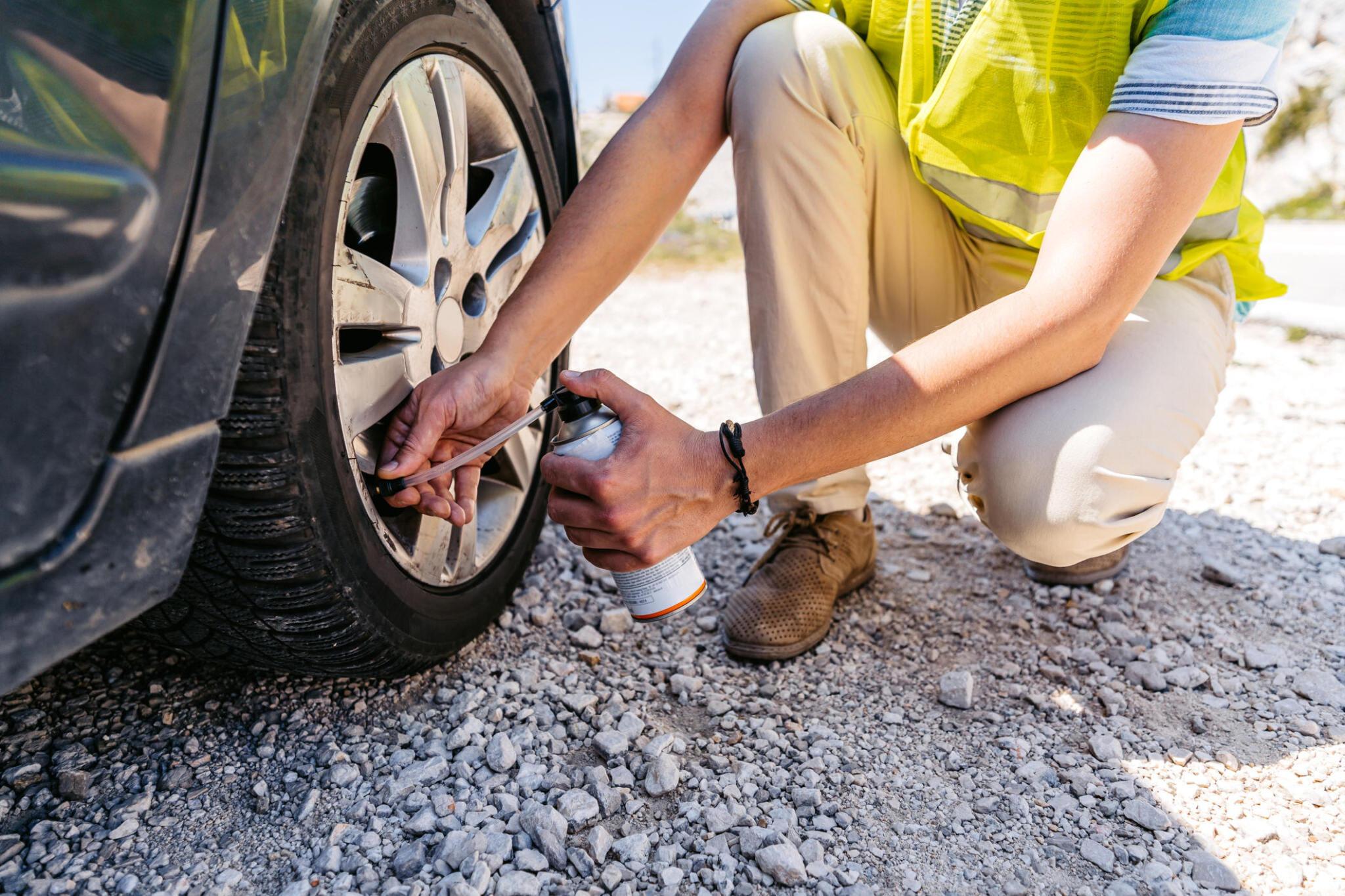
Optimizing Run-Flat Tires
This guide aims to provide comprehensive insights into the use and maintenance of run-flat tires, emphasizing their safe and efficient use. The objectives include:
- Educating on Safe Usage: Understanding how to maximize the safety benefits of run-flat tires is crucial. This involves knowing their limitations and the best practices for driving on them, especially in emergencies.
- Maintenance Tips: Run-flat tires require specific maintenance strategies to ensure their longevity. This guide will offer practical advice on tire inspections, pressure maintenance, and recognizing wear signs.
- Informed Decision-Making: This guide will help those considering run-flat tires or using them make informed decisions regarding tire care, replacement, and emergency handling.
- Advocating Safety and Performance: The guide aims to enhance road safety and optimal vehicle performance by educating drivers on the proper use and maintenance of run-flat tires.
In the following sections, we will explore the various aspects of run-flat tires, from their basic design principles to their maintenance and how they fit into the broader context of driving safety and vehicle performance.
The Basics of Run-Flat Tires
Run-flat tires represent a significant innovation in the automotive industry, providing enhanced safety and convenience compared to conventional tires. They are designed to keep a vehicle mobile even after a puncture or loss of air pressure, enabling drivers to reach a safe location for repair or replacement. This section of our comprehensive guide on Giga Tires delves into the fundamentals of run-flat tires, exploring their design, construction, and advantages.
Design and Construction
Run-flat tires are ingeniously crafted to withstand the loss of air pressure without losing functionality. Their unique design characteristics include:
- Reinforced Sidewalls: One critical feature of run-flat tires is their reinforced sidewalls. These sidewalls are much sturdier than conventional tires, allowing the tire to support the vehicle’s weight even when the tire is deflated.
- Self-Supporting Structure: The tires are built with a robust, self-supporting structure. This design allows them to maintain their shape and perform under reduced pressure conditions, typically up to a certain distance and at a limited speed.
- Specialized Rubber Compounds: Run-flat tires often use specialized rubber compounds that contribute to their durability and ability to withstand the heat generated during a loss of air pressure.
Advantages of conventional Tires
Run-flat tires offer several advantages over traditional tires, making them an attractive option for many drivers:
- Enhanced Safety: The primary advantage is safety. In the event of a puncture, run-flat tires allow you to maintain control of the vehicle and prevent you from being stranded on the side of the road.
- Elimination of Spare Tire: With run-flat tires, the need for a spare tire is eliminated, which can reduce the vehicle’s weight and free up space.
- Durability: They are generally more durable than standard tires due to their reinforced construction, which can translate to a longer lifespan under usual driving conditions.
- Peace of mind: They provide peace of mind, especially for those driving in remote areas or on long journeys where immediate roadside assistance may not be available.
As a part of the comprehensive range offered by Giga Tires, understanding the basics of run-flat tires helps make an informed decision about tire purchases and maintenance.
Key Factors Influencing Run-Flat Tire Durability
The durability of run-flat tires, an innovative and increasingly popular tire choice among drivers, is influenced by several key factors. This part of the comprehensive blog post on Giga Tires explores the aspects that significantly impact the longevity and performance of run-flat tires. Understanding these factors is essential for drivers to maximize the benefits of their run-flat tires in terms of safety and cost-effectiveness.
Tire Composition and Structure
Run-flat tires are not just defined by their ability to operate without air; their composition and structure play a crucial role in their durability:
- Reinforced Sidewalls: The reinforced sidewalls in run-flat tires are thicker and more rigid than those in regular tires. This reinforcement is critical for supporting the car when the tire loses pressure.
- Specialized Rubber Compounds: Run-flat tires often use advanced rubber compounds designed to be more resistant to wear and tear. These compounds can also withstand the heat generated during a deflated state, contributing to their longevity.
- Internal Support Rings: Some run-flat tires are equipped with internal support rings that provide additional structure and strength, allowing the tire to maintain its shape under reduced pressure.
Impact of Driving Habits on Tire Lifespan
The way a vehicle is driven significantly affects the lifespan of its run-flat tires:
- Driving Speed and Style: Aggressive driving, such as rapid acceleration, hard braking, and high-speed cornering, can cause excessive wear. Maintaining moderate speeds and smooth driving can extend tire life.
- Load Carried: Heavier loads put additional stress on tires. They ensured the vehicle was not overloaded, and evenly distributing weight helped preserve tire integrity.
- Punctures and Repairs: How punctures are handled also affects durability. Run-flat tires should be inspected and repaired by professionals who understand their unique structure.
Environmental Effects on Tire Performance
Environmental factors play a substantial role in the performance and wear of run-flat tires:
- Road Conditions: Rough or uneven roads can cause quicker wear and potential damage to the tires. Regularly driving on well-maintained roads can help prolong their lives.
- Temperature and Climate: Extreme temperatures can affect the tire material. Like all tires, run-flat tires should be used within their recommended temperature ranges for optimal performance.
- Exposure to Elements: Long-term exposure to elements like UV rays, salt (in snowy or coastal areas), and ozone can degrade the rubber compounds in tires. Parking in shaded or covered areas can mitigate these effects.
As explored in Giga Tires’ comprehensive blog, proper care and usage of these tires enhance their longevity and ensure continuous safety and performance on the road.
Safe Mileage Parameters for Run-Flat Tires
Run-flat tires have redefined safety standards in the automotive industry, offering the ability to continue driving even after a puncture. However, it’s crucial to understand their safe mileage parameters to ensure optimal performance and longevity. This segment of the comprehensive blog at Giga Tires focuses on the safe mileage parameters for run-flat tires, guiding users through the manufacturer’s recommendations and the factors affecting their average lifespan under normal conditions.
Manufacturer’s Mileage Recommendations
Run-flat tires are designed to operate at a limited distance and speed after losing air pressure. The tire manufacturers specify these parameters, which are crucial for safe operation.
- Distance Limits: Manufacturers typically state that run-flat tires can safely cover a distance of 50 to 100 miles after a puncture occurs. However, this range can vary based on the tire brand, model, and the vehicle’s load.
- Speed Restrictions: Speed and distance limitations are also critical factors. Most manufacturers recommend not exceeding speeds of 50 mph on a deflated run-flat tire.
- Vehicle Compatibility: Certain vehicles are specifically designed to be equipped with run-flat tires, featuring modified suspension systems and tire pressure monitoring systems (TPMS) for optimal performance.
Analyzing Average Lifespan Under Normal Conditions
The average lifespan of a run-flat tire under usual driving conditions depends on various factors:
- Driving Habits: Aggressive driving, frequent high-speed travel, and abrupt braking can shorten the lifespan of run-flat tires. Smooth, cautious driving habits tend to extend their lives.
- Maintenance: Regular maintenance, including proper inflation, tire rotation, and alignment checks, is essential to maximizing the lifespan of run-flat tires.
- Road Conditions: Consistently driving on rough or uneven surfaces can accelerate wear and tear on run-flat tires. Smooth, well-maintained roads are more conducive to longer tire life.
- Climate and Weather Conditions: Extreme temperatures and weather conditions can affect the rubber compounds of run-flat tires, impacting their durability and performance.
By following these guidelines, users can ensure the safety, performance, and longevity of their run-flat tires, as detailed in this comprehensive guide on Giga Tires.
Monitoring and Maintaining Run-Flat Tires
Run-flat tires, known for maintaining vehicle mobility even after losing air pressure, require diligent monitoring and maintenance to ensure their performance and longevity. This segment of the comprehensive blog at Giga Tires focuses on the critical aspects of monitoring and maintaining run-flat tires. Understanding these practices is vital to maximizing the benefits of these advanced tire technologies.
Regular Inspection Routines
Consistent inspection routines are essential for identifying potential issues with run-flat tires before they become serious. Key elements of these inspections include:
- Visual Inspections: Regularly check for signs of wear, cuts, bulges, or foreign objects in the tread or sidewalls. Even though run-flats are designed to operate deflated, visible damage can compromise their integrity.
- Tread Depth Checks: Monitoring tread depth is crucial. A tread depth of 2/32 of an inch or less indicates it’s time for a replacement. Since run-flats may wear differently due to their reinforced construction, special attention should be given.
- Internal Damage Assessment: Unlike conventional tires, damage to run-flats may be less apparent. If a vehicle has experienced a significant impact or the tire has been driven on while deflated, an internal inspection by a professional is advisable.
Importance of Maintaining Correct Tire Pressure
Maintaining the correct tire pressure is vital for run-flat tires, as it affects both performance and wear:
- Regular Pressure Checks: Check tire pressure at least once a month and before long trips. Run-flats rely on proper inflation for optimal performance and longevity.
- Use of Tire Pressure Monitoring Systems (TPMS): Most vehicles equipped with run-flats also have a TPMS, which should be kept in proper working order to alert the driver of pressure changes.
- Impact on Fuel Efficiency and Handling: Correct tire pressure ensures better fuel efficiency and handling characteristics, which are vital for run-flat tires due to their unique design.
Tire Rotation and Balancing for Extended Life
Run-flat tires benefit significantly from regular rotation and balancing:
- Rotation Schedule: Rotate run-flat tires every 5,000 to 8,000 miles to promote even wear. This is especially important for these tires, as their stiffer sidewalls can lead to uneven wear patterns.
- Balancing Run-Flats: Tire balancing is essential for run-flat tires. Unbalanced tires can lead to uneven wear and reduced performance. Balancing should be done with every rotation.
- Alignment Checks: Regular alignment checks help ensure that tires wear evenly and prolong their lifespan. Misalignment can cause rapid and uneven wear on run-flat tires.
These maintenance practices, detailed in Giga Tires’ comprehensive guide, are fundamental to ensuring running-flat tires’ safety, reliability, and cost-effectiveness.
Driving Dynamics with Run-Flat Tires
Run-flat tires have revolutionized the driving experience by offering enhanced safety and convenience. However, they also influence the driving dynamics of a vehicle. This part of the comprehensive blog at Giga Tires focuses on understanding how run-flat tires affect handling and what speed considerations and limitations they bring. These insights are vital for drivers to adapt their driving style to these unique tires and maximize safety and performance.
Handling Characteristics
The handling characteristics of run-flat tires are distinct from conventional tires due to their unique construction:
- Stiffer Sidewalls: Run-flat tires have reinforced sidewalls that are stiffer than regular tires. This design provides additional support when the tire is deflated, but also affects the tire’s handling characteristics. Drivers may notice a firmer ride and slightly different steering responses.
- Cornering and Stability: The rigid sidewalls of run-flat tires can improve cornering stability. This stability is especially noticeable in emergency maneuvers or at high speeds. However, some drivers might find the ride less comfortable due to reduced sidewall flex.
- Impact on Suspension: Vehicles with run-flat tires might have suspension systems specifically tuned to compensate for the stiffer tire walls. This tuning helps maintain a balance between ride comfort and handling performance.
Speed Considerations and Limitations
While run-flat tires allow a vehicle to continue driving after a puncture, there are speed limitations to consider:
- Reduced Speed Capability: Run-flat tires are typically safe to drive at reduced speeds, usually not exceeding 50 miles per hour after a puncture. This reduced speed helps prevent further tire damage and maintains vehicle control.
- Distance Limitations: Besides speed restrictions, run-flat tires are designed to be driven for a limited distance after losing air, often between 50 and 100 miles. Exceeding this distance can lead to tire failure and potential safety hazards.
- Driving Style Adaptation: Drivers should adapt their driving style when using run-flat tires. The stiffer nature of these tires can make sudden accelerations, hard braking, and sharp turns more pronounced.
Understanding run-flat tires’ handling characteristics and speed considerations is essential for safe and effective driving. These tires’ stiffer construction offers advantages and limitations, impacting the overall driving dynamics. By adapting driving habits and being mindful of these characteristics, drivers can fully utilize the benefits of run-flat tires, as explained in this Giga Tires blog segment.
Emergency Protocols and Run-Flat Tires
Run-flat tires are a groundbreaking innovation in automotive safety, allowing drivers to maintain control and continue driving during a puncture. However, it is crucial to understand the proper emergency protocols when using these tires. This section of the comprehensive blog at Giga Tires outlines the appropriate responses to tire punctures and the limitations of run-flat tires in emergencies.
Responding to Tire Punctures
Run-flat tires are designed to withstand a loss of air pressure, but specific steps should be followed when a puncture occurs:
- Monitoring Tire Pressure: Many vehicles with run-flat tires also feature a Tire Pressure Monitoring System (TPMS). If the TPMS alerts you to a loss of pressure, it’s crucial to reduce speed and avoid abrupt maneuvers.
- Assessing the Situation: If a puncture is detected, the immediate step is to evaluate the situation. Check for any noticeable tire damage and estimate the distance to the nearest safe location or service center.
- Driving Cautiously: When going on a punctured run-flat tire, maintain a moderate speed, typically not exceeding 50 mph, and plan to travel no more than 50 to 100 miles, as most manufacturers recommend.
- Seeking Professional Assistance: Upon reaching a safe location, it is essential to have the tire inspected by a professional. Run-flat tires may require specialized handling and, in many cases, replacement rather than repair.
Limitations of Run-Flats in Emergency Situations
While run-flat tires offer significant safety advantages, they have limitations that drivers should be aware of:
- Limited Distance and Speed: Run-flat tires can only be driven for a short distance and at reduced speeds after a puncture. Exceeding these limits can lead to tire failure and potential safety risks.
- Not Immune to All Damage: Run-flat tires are designed to handle standard punctures but are not immune to all forms of damage. Severe cuts, sidewall damage, or impacts can render them inoperable.
- Replacement Considerations: In many cases, a punctured run-flat tire cannot be repaired and must be replaced. This necessity for replacement rather than repair is a crucial consideration for drivers using these tires.
This knowledge, detailed in Giga Tires’ comprehensive guide, empowers drivers to manage emergencies with run-flat tires effectively, ensuring safety and peace of mind.
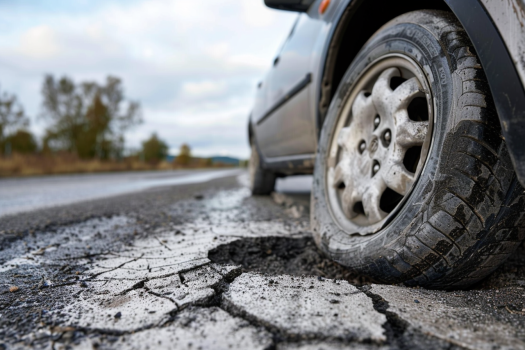
Recognizing and Addressing Tire Wear
Tire wear is an inevitable aspect of vehicle ownership, and understanding how to recognize and address it is crucial for maintaining safety, performance, and efficiency. This section of the comprehensive blog at Giga Tires focuses on identifying signs of excessive tire wear and making informed decisions about repair versus replacement. Proper tire wear management not only extends the life of your tires but also ensures optimal safety and performance of your vehicle.
Identifying Signs of Excessive Wear
Regular inspection and recognition of tire wear signs are essential to maintaining tire health. Critical indicators of excessive wear include:
- Tread Depth: Reduced tread depth is the most apparent sign of tire wear. Tires are legally required to have a minimum tread depth, often 2/32 of an inch. Using a tread depth gauge or checking the wear bars (small bridges that form between the treads) can help determine if the tires need replacement.
- Uneven Wear Patterns: Uneven wear can be a sign of alignment issues, improper inflation, or problems with the suspension. Look for areas on the tire where the tread is more worn down than on other parts.
- Vibrations or Unusual Noises: Excessive wear can lead to vibrations or odd driving noises, indicating tire balance or alignment issues.
- Visual Damages: Bulges, blisters, or other visible damage on the tire’s sidewall are critical signs that the tire’s structural integrity may be compromised.
Decision Making: Repair vs. Replacement
Once tire wear is identified, deciding whether to repair or replace the tire is crucial:
- Assessing Repairability: Not all tire damage is repairable. Generally, punctures less than 1/4 inch in diameter and located in the tread area can be repaired. Sidewall punctures, significant cuts, or tires with worn-out treads require replacement.
- Safety First: Safety should be the primary consideration in decision-making. If there’s any doubt about a tire’s condition, opting for replacement is safer.
- Economic Considerations: Sometimes, even if a tire can be repaired, it may be more economical in the long run to replace it, especially if it’s already showing significant signs of wear.
- Consistency: For vehicles equipped with all-wheel drive or tires that require specific performance characteristics, it’s essential to ensure that all tires are consistent in terms of wear and type for optimal vehicle performance.
Recognizing and addressing tire wear is a fundamental aspect of vehicle maintenance. Regular inspections, understanding the signs of excessive wear, and making informed decisions about repair or replacement are critical for safe and efficient driving. As detailed in this segment of the Giga Tires blog, proper tire maintenance contributes to the longevity of the tires and the overall safety and performance of your vehicle.
Legal and Safety Considerations
While run-flat tires offer enhanced safety and convenience, it’s essential to consider their legal and safety implications. This section of the Giga Tires blog delves into compliance with road safety regulations and the insurance implications of using run-flat tires. Understanding these aspects ensures adherence to legal requirements and maximizes the safety benefits of these advanced tire technologies.
Compliance with Road Safety Regulations
Run-flat tires, like all automotive components, must comply with specific road safety regulations:
- Tread Depth Regulations: The legal minimum tread depth varies by region but is typically around 2/32 of an inch. Driving on run-flat tires with tread depth below the legal limit can result in fines and, more importantly, compromise safety.
- Proper Installation: Run-flat tires should be installed on vehicles designed for them or appropriately modified. Improper installation can lead to handling issues, increasing the risk of accidents.
- Regular Inspections: Some regions require periodic vehicle inspections, which include checking tire condition. Ensuring run-flat tires are in good condition and meet legal standards is crucial for passing these inspections.
- Speed and Load Ratings: Compliance with the tire’s speed and load ratings is also a legal requirement. Overloading the vehicle or driving at speeds higher than what the tire is rated for can be legally problematic and unsafe.
Run-Flat Tires and Insurance Implications
The use of run-flat tires can also have implications for auto insurance:
- Disclosure to Insurance Companies: It’s advisable to inform the insurance company when installing run-flat tires, especially if the vehicle didn’t initially come with them. This ensures the vehicle’s insurance policy reflects the car’s current state.
- Impact on Insurance Premiums: While run-flat tires can sometimes increase the cost of replacements or repairs, their enhanced safety features may positively influence insurance premiums. However, this varies among insurance providers.
- Claims and Coverage: In an accident, having run-flat tires in proper condition could impact the outcome of insurance claims. Insurers may consider the state of the tires at the time of the incident when assessing claims.
Adhering to road safety regulations and being aware of the insurance implications ensures that drivers benefit fully from the safety and convenience offered by run-flat tires, as explained in this Giga Tires blog segment. Proper management of these considerations keeps drivers legally compliant and contributes significantly to road safety.
Conclusion & Recommendations
As we’ve explored throughout this comprehensive guide on Giga Tires, understanding and adhering to best practices in using and maintaining run-flat tires is critical to ensuring safety and longevity. The cornerstone of these best practices includes regular inspections for wear and damage, maintaining correct tire pressure, and adhering to recommended speed and distance limitations, especially after a puncture. It is also important to remember that while run-flat tires provide enhanced safety during a puncture, they are not invincible and should be treated with the same care as conventional tires. Ensuring proper installation and seeking professional advice are also integral to maintaining these high-tech tires.
Future Trends in Run-Flat Tire Technology
Looking ahead, run-flat tire technology is poised for exciting advancements. Continuous improvements in materials and design are expected to make these tires even more durable and comfortable. We anticipate seeing run-flats that offer a smoother ride, thanks to advancements in sidewall construction that could better absorb road bumps. Additionally, the integration of intelligent tire technology is on the horizon. This innovation could see run-flat tires equipped with sensors to provide real-time data on tire condition and performance, further enhancing safety and convenience for drivers.
As environmental considerations become increasingly important, the tire industry, including run-flat technologies, is expected to see innovations focused on sustainability. This might include using eco-friendly materials and production processes that reduce the carbon footprint of tire manufacturing.
Giga Tires – Driving the Future of Tire Technology
In conclusion, as we embrace these future trends and best practices in run-flat tire technology, Giga Tires remains your go-to source for the latest and most reliable tire options. Our extensive selection ensures that you find the perfect fit for your vehicle, providing peace of mind and enhanced safety on the road.
We invite you to explore our range of run-flat tires and benefit from our expertise in this evolving field. Whether you are looking for the latest in tire technology or seeking professional advice on the best options for your vehicle, Giga Tires is here to help.
Explore Our Collection and Find Your Perfect Run-Flat Tire Today
FAQs
What are run-flat tires?
Run-flat tires are specially designed to continue to be driven for a limited distance even after they lose air pressure.
How far can I drive on a run-flat tire after a puncture?
Typically, you can drive up to 50-100 miles on a run-flat tire after a puncture, but it’s recommended to check the manufacturer’s guidelines for specific distances.
At what speed should I drive on a punctured run-flat tire?
It is advised to keep your speed below 50 mph when driving on a punctured run-flat tire.
Can run-flat tires be repaired?
Run-flat tires often require replacement rather than repair, but it depends on the extent of the damage.
Are run-flat tires more durable than regular tires?
Run-flat tires have reinforced sidewalls, which generally make them more durable than regular tires under loss-of-pressure conditions.
Do run-flat tires affect the handling of my vehicle?
Run-flat tires can change the handling dynamics of your vehicle, often providing more stability but a firmer ride.
Is it mandatory to have a TPMS (Tire Pressure Monitoring System) with run-flat tires?
While not mandatory, a TPMS with run-flat tires is highly recommended for optimal safety and performance.
Can any vehicle use run-flat tires?
Most vehicles can use run-flat tires, but it’s best to consult with a tire expert or your vehicle manufacturer for compatibility.
How do I maintain my run-flat tires?
Regular inspections, proper tire pressure maintenance, and adhering to rotation and balancing schedules are vital to preserving run-flat tires.
Are run-flat tires a good choice for long-distance driving?
Run-flat tires can be a good choice for long-distance driving, offering an added layer of safety in case of a puncture.