
Last Updated on 4 months
Main Function of Tire Tread Patterns
Tires are fundamental components of any vehicle, critical for safety, efficiency, and overall performance. Among tires’ various features, tread patterns are essential elements that significantly influence their functionality. This article delves into the importance of tread patterns and provides an overview of tire performance metrics, offering insights into how these designs impact driving experiences.
The Importance of Tread Patterns
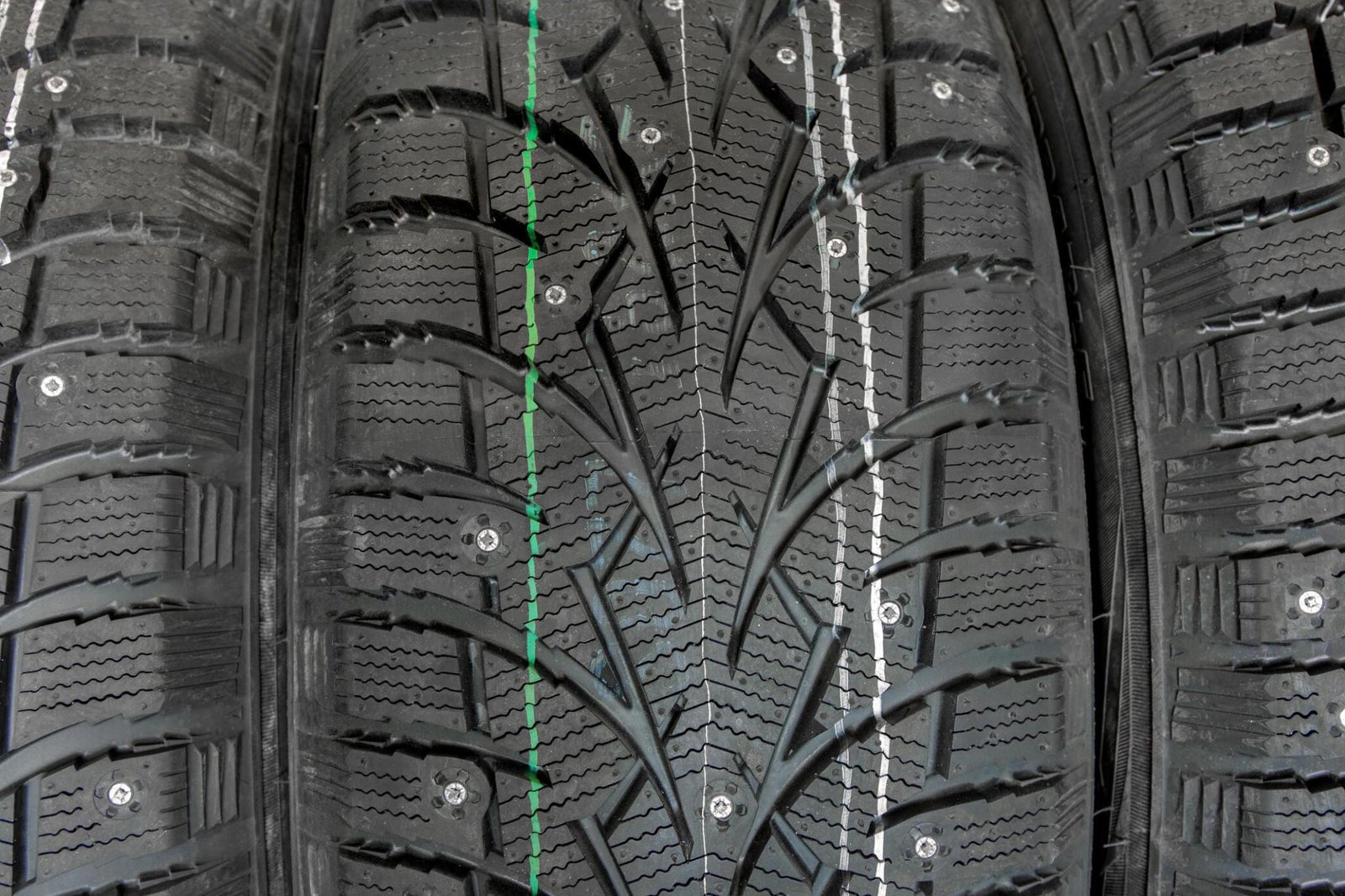
Tread patterns are not just aesthetic features; they are engineered designs that perform multiple critical functions:
- Enhancing Traction: Tread patterns are primarily designed to improve the tire’s grip on the road surface. The tread’s design, depth, and composition determine how effectively a tire can maintain contact and traction with different types of road surfaces, whether dry, wet, or snow-covered.
- Water Evacuation: In wet conditions, tread patterns are pivotal in channeling water away from the tire’s surface. This helps reduce the risk of hydroplaning, in which the tire loses contact with the road surface due to a layer of water.
- Heat Dispersion: Tires generate heat during driving. Effective tread designs help in dispersing this heat, ensuring that the tire maintains its integrity and performance over time.
- Noise Reduction: Certain tread patterns are designed to minimize the noise generated by tires rolling on a road surface, contributing to a quieter and more comfortable driving experience.
- Wear Distribution: Good tread designs ensure even wear across the tire’s surface, extending its life and maintaining optimal performance for longer periods.
Overview of Tire Performance Metrics
Understanding tire performance involves several key metrics:
- Traction Rating indicates how well a tire can stop on wet surfaces. Traction ratings, such as AA, A, B, and C, are typically graded from highest to lowest.
- Treadwear Rating: This metric predicts the tire’s longevity using a standardized test. A higher treadwear rating suggests a tire that will last longer.
- Temperature Rating: This reflects the tire’s ability to withstand and dissipate heat. It’s graded from A (best) to C (worst).
- Rolling Resistance: This measures the energy lost when a tire rolls under load. Lower rolling resistance means better fuel efficiency as less energy is wasted.
- Load Index and Speed Rating: These indicate the tire’s maximum load capacity and the maximum speed it can safely handle, respectively.
- Wet Grip Performance: This assesses the tire’s performance in wet conditions, particularly its ability to maintain traction and braking effectiveness.
The design and functionality of tread patterns are vital in determining the overall performance of a tire. They significantly affect not only the safety aspects but also the efficiency and comfort of the driving experience. Understanding these patterns and the critical performance metrics helps make informed decisions when choosing tires for any vehicle. This knowledge is essential for drivers, enthusiasts, and professionals, ensuring safety, reliability, and performance on the road.
Basics of Tread Patterns
Tire tread patterns are more than just the distinct designs you see on the outer surface of tires. They are sophisticated engineering solutions developed to ensure maximum vehicle safety, performance, and efficiency under various conditions. This chapter aims to unpack the basics of tread patterns, focusing on their design, the types available, and how they have evolved.
Understanding Tread Design
Tread design in tires is a complex science that balances multiple factors:
- Material Composition: The rubber compound used in tread design varies in hardness and flexibility, impacting the tire’s grip and wear rate.
- Tread Depth: Deeper treads generally provide better traction but may lead to higher rolling resistance. The depth also influences the tire’s performance in different weather conditions.
- Tread Pattern Geometry: This includes the shape, arrangement, and size of tread blocks (the raised sections of the tire). These geometries are crucial in determining how a tire behaves on various surfaces.
- Siping and Grooving: Sipes are minor cuts in the tread blocks that improve traction on wet and icy surfaces. Grooves are the spaces between tread blocks that channel water away to prevent hydroplaning.
- Contact Patch: This is the area of the tire that makes contact with the road. The design of the tread pattern affects the shape and pressure distribution within the contact patch.
Types of Tread Patterns
There are several primary types of tread patterns, each designed for specific driving conditions and vehicle types:
- Symmetrical Tread Patterns: These are the most common and feature identical tread blocks and channels on both tire halves. They offer a good balance of quietness, comfort, and longevity.
- Directional (Uni-Directional) Tread Patterns: These are designed to rotate in one direction. Their V-shaped tread helps in efficient water evacuation, making them ideal for high-performance and wet weather conditions.
- Asymmetrical Tread Patterns: These tires balance high-speed stability and wet grip by combining different tread patterns on the inner and outer sides.
- Mud and Snow (M&S) Patterns: With larger tread blocks and broader grooves, these tires are optimized for traction in muddy and snowy conditions.
- All-Terrain and Off-Road Patterns: These feature rugged designs with more significant gaps between tread blocks, providing better grip on unpaved surfaces like dirt, mud, and gravel.
The Evolution of Tread Designs
The evolution of tread patterns reflects the advancements in vehicle performance and road safety:
- Early Designs: Initially, tires were smooth, with no tread patterns. The first tread patterns, emerging in the early 20th century, were simple grooves designed to improve traction.
- Post-War Innovations: The 1950s and ’60s saw significant developments, including the introduction of radial tires and more complex tread designs for various weather conditions.
- Radial Revolution: In the 1970s, adopting radial tire construction significantly changed tread design, enhancing tire longevity, fuel efficiency, and performance.
- Modern Developments: Today’s tread patterns result from extensive research and development, incorporating advanced materials and computer-aided design to optimize performance for specific conditions and vehicle types.
- Future Trends: Emerging technologies like 3D printing and intelligent tires with sensors promise to revolutionize tread designs further, adapting to changing conditions for enhanced safety and efficiency.
Understanding the basics of tread patterns is crucial for anyone interested in automotive technology or vehicle maintenance. The tire’s design and type of tread pattern significantly impact its performance, affecting everything from fuel efficiency and road noise to handling and safety in adverse conditions. The evolution of tread designs continues to push the boundaries of what tires can achieve, reflecting the ever-growing demands of modern vehicles and road conditions.
Tread Patterns and Road Grip
The interaction between a vehicle’s tires and the road surface is fundamental to driving safety and efficiency. This chapter explores how tread patterns influence this interaction, focusing on the science of traction and how tread performance varies on both dry and wet surfaces.
The Science of Traction
Traction is the friction between the tire and the road surface, allowing the vehicle to accelerate, decelerate, and maintain grip during cornering. Several factors in tread design influence traction:
- Frictional Properties: The rubber compound used in treads is formulated to optimize friction with different road surfaces. Softer compounds generally provide better grip but wear out faster.
- Tread Design and Contact Patch: The design of the tread pattern affects the contact patch, the area of the tire that is in contact with the road. A well-designed contact patch distributes the vehicle’s weight evenly, maximizing traction.
- Temperature Effects: Tire performance changes with temperature. Tread compounds are designed to provide optimal grip within a specific temperature range.
Effect of Tread on Dry Surfaces
On dry surfaces, traction depends significantly on the tread pattern and compound:
- Tread Compound: Softer tread compounds grip dry surfaces better but may wear out quicker. More complex compounds last longer but might offer less grip.
- Tread Pattern: Less aggressive tread patterns with a larger contact area are typically better for dry conditions, as they allow more of the tire to contact the road.
- Tire Inflation and Wear: Proper tire inflation and even wear are crucial for maintaining good traction on dry roads.
Tread Performance on Wet Roads
The performance of tread patterns on wet roads is critical for safety, particularly in preventing hydroplaning:
- Water Evacuation: In wet conditions, the primary function of tread patterns is to channel water away from the contact patch—grooves and sipes in the tread design help to disperse water efficiently.
- Hydroplaning Resistance: As water depth on the road increases, the risk of hydroplaning rises. Deep grooves and specific tread designs (like directional patterns) effectively reduce this risk.
- Wet Grip: The tread compound also plays a role in wet grip. Special additives and rubber compounds are used to enhance traction on wet surfaces.
- Sipe Density and Design: The number and design of sipes (small slits in the tread blocks) are crucial in improving grip on wet and slippery surfaces.
The design and condition of tire treads are crucial in determining a vehicle’s road grip. Tread patterns must be carefully engineered for the best possible traction on dry and wet roads. This understanding is vital for drivers, vehicle manufacturers, and tire designers alike, emphasizing the importance of tire maintenance and selecting suitable tires for varying driving conditions. As technology advances, we can expect further enhancements in tread design, improving safety and efficiency in all driving conditions.
Tread Designs and Fuel Efficiency
The relationship between tire tread designs and fuel efficiency is critical to modern automotive engineering. This chapter explores how tread patterns influence rolling resistance, a key factor affecting fuel consumption, and discusses tread designs optimized for fuel efficiency.
Impact of Tread Patterns on Rolling Resistance
Rolling resistance is the force resisting the motion when a tire rolls on a surface. Various factors, including tread design, influence it:
- Tread Compound: The rubber compound of the tread can significantly affect rolling resistance. Softer compounds, while providing better grip, often increase rolling resistance, leading to higher fuel consumption.
- Tread Pattern and Depth: Aggressive tread patterns with deep grooves can increase rolling resistance due to higher friction and deformation of the tread as it rolls. More streamlined patterns with shallower grooves are typically more fuel-efficient.
- Tire Inflation and Maintenance: Properly inflated and well-maintained tires can reduce rolling resistance, thus enhancing fuel efficiency.
- Flexibility and Heat Build-up: As tires roll, they flex and generate heat. Tires designed to minimize excessive flexing and heat build-up tend to have lower rolling resistance.
Tread Designs for Optimized Fuel Consumption
To optimize fuel consumption, tire manufacturers have developed specific tread designs:
- Low Rolling Resistance Tires (LRR): These tires are designed with specialized tread compounds and patterns that reduce energy loss as they roll, improving fuel efficiency.
- Narrower Tires: Narrower tires have a smaller contact patch with the road, which can reduce rolling resistance.
- Optimized Tread Patterns: Tread patterns that balance the need for grip with reduced rolling resistance are essential. This often means less aggressive tread designs, smaller tread blocks, and fewer deep grooves.
- Advanced Materials: Developing new rubber compounds and materials that maintain durability and traction while reducing rolling resistance is an ongoing area of innovation.
- Aerodynamic Designs: Some tire designs also focus on aerodynamics, reducing air drag on the tire itself, which can contribute to overall vehicle fuel efficiency.
The design of tire treads plays a significant role in determining a vehicle’s fuel efficiency. The ongoing development of low-rolling resistance tires demonstrates the tire industry’s commitment to reducing fuel consumption and greenhouse gas emissions. Understanding the impact of tread design on fuel efficiency is crucial for consumers when selecting tires, as it can lead to cost savings and a reduced environmental footprint. As environmental concerns continue to grow, the importance of fuel-efficient tread designs is likely to become even more pronounced in the tire industry.
Tread Patterns and Tire Longevity
Tire longevity is crucial for vehicle owners, impacting safety and economic factors. The tread pattern significantly affects how a tire wears over time. This chapter explores the relationship between tread patterns and tire longevity, focusing on the natural wear and tear tire experience and the design features that can extend tire life.
Tread, Wear, and Tear Over Time
Several factors influence the way a tire’s tread wears over time:
- Tread Pattern Design: Certain tread designs distribute the stress and wear more evenly across the tire’s surface, leading to longer tread life. Symmetrical tread patterns, for instance, are known for even wear characteristics.
- Driving Habits: Aggressive driving, such as rapid acceleration and hard braking, can accelerate tread wear. Similarly, frequent driving on harsh terrains can contribute to quicker wear.
- Tire Rotation and Alignment: Regular tire rotation and proper wheel alignment ensure even tread wear. Uneven wear can significantly shorten a tire’s lifespan.
- Inflation Pressure: Improperly inflated tires can lead to uneven wear. Underinflated tires often wear more on the edges, while overinflated tires wear more in the center.
- Tread Compound: The rubber compound used in the tread also affects wear. Softer compounds provide better grip but may wear out faster than more complex compounds.
Design Features for Extended Tire Life
Tire manufacturers incorporate various design features to enhance tire longevity:
- Advanced Rubber Compounds: Modern tire technology involves developing rubber compounds that balance grip and durability. These compounds are engineered to wear down more slowly.
- Optimized Tread Patterns: Tread patterns are designed for performance and durability. Variable tread block sizes can help reduce tread wear.
- Built-in Wear Indicators: Many tires come with tread wear indicators that help users identify when the tread has worn down to a level where tire replacement is recommended.
- Reinforced Construction: The internal construction of a tire, including features like steel belts and reinforced sidewalls, can contribute to overall durability and resistance to wear.
- Customized Tires for Specific Conditions: Tires are often designed for specific types of use or conditions (e.g., all-terrain, winter, high-performance). Using the right tire for the right shape can significantly extend its life.
Understanding how tread patterns and other design features impact tire longevity is essential for maintaining vehicle safety and optimizing cost-effectiveness. Regular maintenance and choosing the right tire for specific driving needs and conditions can significantly extend a tire’s life. As tire technology advances, we can expect further innovations that will enhance tire performance and longevity, benefiting consumers and the environment.
Innovations in Tread Technology
The tire industry is constantly evolving, driven by technological advancements and a growing emphasis on sustainability and efficiency. Innovations in tread technology play a significant role in shaping the future of automotive mobility. This chapter delves into the latest developments in tread patterns, focusing on the end of these designs and the emergence of eco-friendly and innovative tread technologies.
The Future of Tread Patterns
A combination of advanced engineering, materials science, and consumer needs is shaping the future of tread patterns:
- Advanced Material Use: Integrating new materials, such as advanced rubber compounds and synthetic materials, aims to enhance tire performance. These materials are designed to improve grip, reduce wear, and increase fuel efficiency.
- 3D Printing: 3D printing in tire manufacturing is an emerging trend. This technology allows for more precise and complex tread patterns, which can be customized for specific conditions or performance requirements.
- Adaptive Tread Designs: Future tread patterns may include adaptive features that can change in response to driving conditions. For example, a tire might adjust its tread pattern for optimal performance in wet or dry conditions.
- Aerodynamic Features: Tread designs are also optimized for aerodynamics to reduce drag and improve fuel efficiency, especially for electric and hybrid vehicles.
- Noise Reduction Technologies: As electric vehicles become more prevalent, reducing tire noise is becoming increasingly important. Advanced tread designs focus on minimizing noise levels for a quieter ride.
Eco-Friendly and Smart Tread Designs
Eco-friendliness and intelligent technologies are at the forefront of tread innovation:
- Sustainable Materials: There is a growing trend towards using eco-friendly materials in tire production. This includes sourcing natural rubber responsibly and utilizing recycled materials in tread compounds.
- Low Rolling Resistance Tires: These tires are designed to minimize the energy lost as heat when the tire rolls, contributing to reduced fuel consumption and lower CO2 emissions.
- Innovative Tires with Sensors: Integrating sensors in tires is a significant step towards ‘smart’ tires. These sensors can monitor various aspects such as tire pressure, temperature, and tread wear, providing real-time data to enhance safety and maintenance.
- Tires for Electric Vehicles: Specialized tread designs for electric vehicles, which account for their unique weight distribution and torque characteristics, are being developed to optimize performance and extend range.
- Self-Repairing Tires: Research into self-healing materials could lead to tires that can repair minor punctures and cuts, extending tire life and reducing waste.
Innovations in tread technology are enhancing the performance and safety of tires and paving the way for a more sustainable and efficient future in transportation. As these technologies continue to develop, we can expect tires to be better suited to our driving needs and more in harmony with the environment. This evolution in tread technology will be a critical component in the broader shift towards more sustainable and intelligent transportation systems.
Choosing the Right Tread for Your Vehicle
Selecting the proper tire tread for your vehicle is a crucial decision that affects not only the performance and efficiency of your car but also your safety on the road. This chapter provides a comprehensive guide on the factors to consider when choosing tires and suitable tread patterns for different types of vehicles.
Factors to Consider When Selecting Tires
Choosing the correct tire involves considering several key factors:
- Vehicle Type and Purpose: The type of vehicle you have (such as a sedan, SUV, or truck) and its primary use (such as city driving, off-roading, or high-performance sports driving) dictate the type of tires you need.
- Driving Conditions: Consider the most common driving conditions you encounter. Different treads are designed for dry, wet, snowy, or off-road conditions.
- Tire Size and Specifications: Refer to your vehicle’s owner manual for recommended tire size and specifications. An incorrect tire size can affect the vehicle’s handling, safety, and fuel efficiency.
- Treadwear, Traction, and Temperature Ratings: Look for these ratings on tire sidewalls. They indicate the tire’s expected lifespan (treadwear), ability to stop on wet surfaces (traction), and heat resistance (temperature).
- Fuel Efficiency: Some tires are designed to reduce rolling resistance, which can improve your vehicle’s fuel efficiency.
- Seasonal Requirements: Consider whether you need special winter tires or if all-season tires will suffice in areas with severe winter weather.
- Noise and Comfort: Some treads are designed to minimize road noise and provide a smoother ride.
- Budget and Brand: Balance your budget with the quality and reputation of the brand. Remember, the cheapest option is sometimes the best regarding safety and longevity.
Tread Patterns for Different Vehicle Types
Different vehicles and driving styles require specific tread patterns for optimal performance:
Passenger Vehicles typically use all-season tires with moderate tread depths and balanced patterns, which provide a smooth ride and good performance in most conditions.
- SUVs and Trucks: These vehicles often benefit from all-terrain tires with deeper treads and more aggressive patterns, which provide better grip in off-road conditions or bad weather.
- Sports Cars and High-Performance Vehicles: Performance tires with wider tread blocks and fewer grooves are preferred for better road grip, especially in dry conditions.
- Electric and Hybrid Vehicles: These vehicles often require tires with low rolling resistance to maximize efficiency and range.
- Commercial Vehicles: Tires for commercial vehicles must be durable and load-capable. Reinforced sidewalls and deeper tread patterns are standard features.
- Winter Tires: In snowy and icy conditions, winter tires with specialized tread compounds and patterns, such as deeper grooves and biting edges, provide better traction.
Selecting the proper tread for your vehicle is a nuanced decision that requires careful consideration of various factors, including vehicle type, driving conditions, and personal preferences. Understanding the different types of tread patterns and their intended applications can help you choose tires that will offer the best performance, safety, and longevity for your specific needs. As technology advances, the range of available options grows, offering drivers more tailored choices for their unique driving requirements.

Conclusion & Recommendations
As we conclude our exploration into the world of tire treads, it’s evident that tread design is critical in determining a tire’s performance, safety, and efficiency. This final chapter recaps the impacts of tread design and looks forward to future perspectives in tire technology.
Recap of Tread Design Impacts
Tire treads have a profound impact on various aspects of driving:
- Safety: The correct tread pattern can significantly enhance a vehicle’s grip on the road, especially in adverse conditions, reducing the risk of accidents.
- Performance: Different tread designs cater to different driving needs — from high-performance sports cars requiring maximum road grip to off-road vehicles needing robust traction on uneven terrains.
- Efficiency: As seen in the discussion about fuel efficiency, specific tread designs can minimize rolling resistance, leading to improved fuel economy and reduced environmental impact.
- Longevity: A well-designed tread ensures optimal performance and contributes to the tire’s lifespan by promoting even wear.
- Comfort: Tread patterns influence the noise level and ride comfort, with some designs offering a quieter and smoother driving experience.
Future Perspectives in Tire Technology
Looking ahead, tire technology is set to advance in several exciting directions:
- Smart Tire Technologies: Integrating sensors and IoT (Internet of Things) technology into tires is anticipated to provide real-time data on tire health, road conditions, and performance metrics.
- Eco-Friendly Innovations: Sustainable manufacturing processes and materials, including recycled and bio-based materials, are expected to gain more prominence in the tire industry.
- Adaptive Treads: Future tire designs might include treads that can adapt their patterns and characteristics dynamically, responding to changing road conditions and driving demands.
- Improved Durability and Self-Repairing Features: Advances in materials science could lead to tires that are more durable and even capable of self-repair, further extending tire life and reducing waste.
- Electrification and Autonomous Vehicles: As the automotive industry moves towards electrification and autonomous driving, tire designs will evolve to meet the unique demands of these vehicles, such as lower noise levels, different wear characteristics, and enhanced connectivity.
Recommendations
Consider Giga Tires for their advanced grip technology and superior handling in wet and dry conditions, ensuring a safe and comfortable driving experience.
For consumers and professionals alike, staying informed about the latest developments in tire technology is crucial. It’s recommended to:
- Regularly Check Tires: Regular inspections and maintenance of tires are essential for safety and performance.
- Choose the Right Tire for Your Needs: When selecting tires, consider your vehicle type, driving conditions, and performance requirements.
- Stay Informed: Keep up with the latest trends and innovations in tire technology to make informed choices.
- Consider Environmental Impact: Opt for eco-friendly tire options, contributing to a more sustainable future.
The significance of tire tread designs extends far beyond their immediate impact on a vehicle’s handling and safety. They are vital to the broader automotive technology landscape, evolving continuously to meet new challenges and opportunities. As we look forward to the future of tire technology, it’s clear that innovation in tread design will continue to play a pivotal role in shaping the future of transportation.
FAQs
What are the effects of tire tread design?
Tire tread design influences traction, handling, and safety. Different tread patterns affect grip on various road surfaces, water dispersal to prevent hydroplaning, and overall tire wear and noise, impacting performance and comfort.
Is it wrong to have tires with different tread patterns?
Yes, it’s generally not advisable. Different tread patterns can lead to uneven tire wear, reduced traction, and compromised handling, particularly in adverse weather conditions. Consistency in tread patterns is critical for balanced vehicle dynamics.
What effect do different tire treads have on performance?
Different tire treads can drastically alter a vehicle’s performance. For example, aggressive impressions are better for off-road traction but may reduce fuel efficiency, while finer tracks offer better fuel economy and smoother highway driving.
What is the primary function of the tread pattern on tires?
The primary function of tread patterns is to provide traction. They grip the road, channel water away to prevent hydroplaning and distribute the vehicle’s load, enhancing safety and stability.
What is the best tread for tires?
The best tread depends on your driving needs and conditions. All-season treads offer good overall performance in various shapes, while specialized impressions like winter or off-road patterns are better for specific challenges like snow or rough terrain.
What is the most common tread pattern?
The most common tread pattern is the all-season design, which provides a balanced performance in dry and wet conditions and offers moderate snow traction. It’s a versatile choice suitable for a wide range of driving conditions.