
Last Updated on 4 months
Balancing Budget and Safety: Navigating the World of Used Tires
Tires are pivotal in ensuring safety, stability, and performance on the road. While many car owners opt for brand-new tires, there is a growing market for second-hand or used tires that offer a cost-effective alternative. In this section, we will delve into the world of second-hand tire purchases, exploring the dynamics of this market and understanding the safety considerations that drive individuals to buy pre-owned tires.
Understanding the Second-Hand Tire Market
The second-hand tire market has gained significant traction in recent years due to various factors, including economic considerations and environmental awareness. Understanding this market is crucial for consumers looking to make informed decisions about their tire purchases.
- Economic Factors: One of the primary drivers of the second-hand tire market is cost savings. New tires can be expensive, and many car owners seek more budget-friendly options. Second-hand tires often provide significant savings, making them an attractive choice for individuals on a tight budget.
- Environmental Considerations: With increasing awareness of environmental issues, many people are turning to second-hand tires as an eco-friendly choice. Reusing tires still in good condition reduces the demand for new tire production, which has an environmental impact. This aspect appeals to environmentally-conscious consumers who want to minimize their carbon footprint.
- Availability and Variety: The second-hand tire market offers many options. You may find rare or discontinued tire models that are no longer available. This can be especially valuable for owners of older or vintage vehicles who struggle to find suitable replacements.
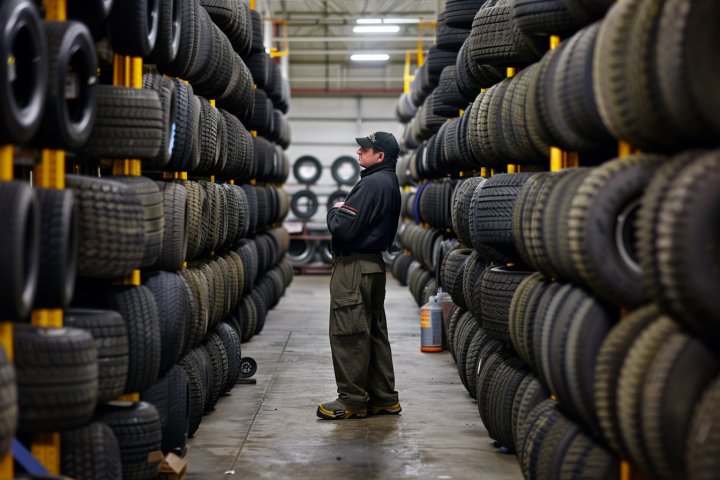
Why Consider Second-Hand Tires?
While cost savings, environmental benefits, and variety make second-hand tires appealing, safety remains a paramount concern for vehicle owners. Understanding why some individuals consider second-hand tires in terms of security is essential for making informed choices.
- Initial Cost Reduction: New tires are a significant investment, and the initial cost can be prohibitive for some. Second-hand tires provide a more affordable entry point for those who need to replace their tires but have limited financial resources.
- Short-Term Use: Second-hand tires can adequately serve the purpose of vehicles not expected to be driven extensively or over long distances, such as a secondary car or a temporary vehicle. This reduces the need to invest in expensive new tires.
- Quality Assurance: Reputable sellers and dealers in the second-hand tire market often rigorously inspect and grade their tires, ensuring that only those in good condition are sold. This quality assurance can provide peace of mind to buyers concerned about the safety of pre-owned tires.
- Environmental Consciousness: Some consumers opt for second-hand tires to align their purchasing decisions with their ecological values. By extending the life of serviceable tires, they reduce waste in landfills and conserve resources.
Exploring the Benefits of Second-Hand Tires
Many vehicle owners immediately consider new tires as their only option when considering tire replacement. However, the market for second-hand tires has been steadily growing, offering a range of benefits that extend beyond just cost savings. This section will explore the advantages of pre-owned tires, highlighting the financial, environmental, and variety-related aspects that make them a compelling choice.
Financial Advantages: Saving with Pre-Owned Tires
One of the primary reasons why individuals consider second-hand tires is the substantial financial advantage they offer. Here is a closer look at how pre-owned tires can lead to significant cost savings:
- Affordability: New tires can be a substantial expense, especially if you have a larger vehicle or specific tire requirements. On the other hand, second-hand tires are generally priced significantly lower than their new counterparts. This makes them an attractive option for budget-conscious consumers looking to maintain their vehicles without breaking the bank.
- Value Retention: New tires start depreciating as soon as they are mounted on your vehicle. When brand-new tires are purchased, their value begins to decrease immediately. Second-hand tires, however, have already gone through this initial depreciation phase, which means one can get more value for their money.
- Cost-Efficient Temporary Solutions: When planning to keep a vehicle for a limited period or need tires for a temporary car, investing in new tires may make little sense. Second-hand tires offer a cost-efficient solution for short-term needs.
Eco-Friendly Aspects: Sustainability in Tire Choices
As environmental concerns continue to rise, many consumers are turning to second-hand tires as a more sustainable choice. Here is how opting for pre-owned tires can contribute to eco-friendliness:
- Reduced Tire Production: Manufacturing new tires consumes significant resources and energy. By choosing second-hand tires, you reduce the demand for new tire production, lowering the environmental impact of tire manufacturing.
- Extended Tire Life: Second-hand tires extend the useful life of tires that are still in good condition. Fewer tires end up in landfills, reducing the environmental burden of tire disposal.
- Resource Conservation: Choosing pre-owned tires helps conserve the raw materials used in tire manufacturing, such as rubber and petroleum-based products. This aligns with a more sustainable and resource-efficient approach to tire consumption.
Range and Rarity: Discovering Unique Models
The second-hand tire market is not just about cost savings and eco-friendliness; it also offers an opportunity to explore a wide range of tire options, including rare and discontinued models:
- Rare Finds: Vintage and specialty vehicles often require specific tire models that may no longer be in production. Second-hand tire dealers may have these rare finds, allowing owners of such cars to maintain their authenticity.
- Hard-to-Find Sizes: Sometimes, older or unique vehicles require tires with non-standard sizes that are challenging to find in the new tire market. Second-hand tire shops may have a broader selection of sizes to cater to various vehicle types.
- Collectible Tires: Enthusiasts and collectors of vintage cars often seek authentic tires to maintain their vehicles’ originality. Second-hand tire dealers can be a treasure trove for such collectors, offering vintage and collectible tire options.
Weighing the Risks and Downsides
As enticing as the prospect of second-hand tires may be, consumers must carefully consider the potential risks and downsides of purchasing pre-owned tires. In this section, we will delve into the various aspects that demand attention when deciding to buy second-hand tires, including safety concerns, assessing the condition of these tires, and understanding their performance and longevity limitations.
Safety Concerns: Unveiling Potential Hazards
Safety should always be a paramount concern regarding your vehicle’s tires. While cost-effective, second-hand tires can sometimes pose safety hazards if not carefully selected and inspected. Here are the key safety considerations:
- Unknown History: Second-hand tires may come from various sources, and their previous usage and maintenance history may be unfamiliar. This lack of information can lead to uncertainty regarding the tire’s safety and reliability.
- Tire Damage: Some second-hand tires may have hidden damage, such as punctures, sidewall damage, or internal structural issues. These defects can compromise the tire’s integrity and safety on the road.
- Tire Age: Tires deteriorate over time, regardless of how much tread they have left. Aging tires can become brittle and less reliable, increasing the risk of blowouts or loss of control while driving.
- Tread Depth: While tread depth is a crucial safety factor, not all second-hand tires may have sufficient tread remaining. Inadequate tread depth can reduce traction, particularly in wet or slippery conditions.
Condition Check: Assessing the State of Second-Hand Tires
To mitigate safety concerns and make an informed purchase, it is crucial to thoroughly assess the condition of second-hand tires before buying. Here is a checklist to consider:
- Tread Depth: Use a tread depth gauge to measure the remaining tread. Ensure it meets the minimum legal requirements and provides adequate traction for your driving conditions.
- Visual Inspection: Carefully examine the tire for any visible signs of damage, including cuts, bulges, cracks, or punctures. Inspect the sidewalls for issues that may take time to become apparent.
- Age Verification: Determine the tire’s age by checking the DOT (Department of Transportation) code on the sidewall. This code provides information about the tire’s manufacturing date.
- Tire Brand and Model: Ensure that the second-hand tire matches the specifications recommended for your vehicle in size, load rating, and speed rating.
- Balance and Alignment: Inquire about the tire’s ratio and alignment history. Properly balanced and aligned tires contribute to safe and even tire wear.
Performance and Longevity: Understanding Limitations
While second-hand tires can offer cost savings, it is essential to recognize their limitations in terms of performance and longevity:
- Shorter Lifespan: Second-hand tires have already experienced some wear and tear. Consequently, they may have a shorter remaining lifespan compared to new tires.
- Variable Quality: The quality of second-hand tires can vary significantly. Some may be in excellent condition, while others may have hidden issues that affect performance.
- Limited Warranty: Most second-hand tires come with no warranties, meaning you’ll have to bear the total cost of any repairs or replacements if issues arise.
Identifying Top-Quality Used Tires
One of the most critical aspects of purchasing used tires is identifying top-quality options that ensure safety and performance. In this section, we will explore the key factors to consider when assessing used tires, including tread depth and wear, damage and repairs, and understanding the nuances of tire aging and expiration.
Assessing Tread Depth and Uniform Wear
Tread depth is a fundamental indicator of a tire’s condition and safety. Proper tread depth ensures sufficient traction and grip on the road. Here is how to assess it:
- Tread Depth Measurement: Use a tread depth gauge or a penny test to measure the remaining tread depth. The legal minimum tread depth varies by region, but generally, it should not be less than 2/32 of an inch (1.6 mm).
- Even Wear: Inspect the tire’s tread for even wear across the entire surface. Irregular wear patterns can indicate alignment or suspension issues in the vehicle.
- Tire Rotation History: Inquire about the tire’s history, specifically regarding tire rotations. Regular rotations can result in more even wear and prolong tire life.
Scrutinizing for Damage and Repairs
Identifying damage and previous repairs is crucial to ensuring the integrity of used tires:
- Visual Inspection: Carefully examine the tire for any visible damage, including cuts, punctures, bulges, or cracks. These issues can compromise tire safety.
- Repairs: Check for any patches or plugs on the tire. While some professionally executed repairs can be safe, extensive repairs can weaken the tire’s structure.
- Sidewall Inspection: Pay close attention to the sidewalls for any signs of damage or impact, as sidewall damage can be particularly concerning.
Grasping the Nuances of Tire Aging and Expiry
Tire age and expiration are often overlooked factors that can significantly impact safety and performance:
- DOT Code: Find the Department of Transportation’s (DOT) code on the tire’s sidewall. The last four digits of this code indicate the tire’s manufacturing date. Tires age, even if not in use, and many experts recommend replacing tires over six years old, regardless of their apparent condition.
- Tire Aging Signs: Look for signs of tire aging, such as sidewall cracks or a brittle appearance. These are indications that the tire’s rubber compounds may have deteriorated.
- Expiry Date: Some tire manufacturers provide an estimated expiration date for their tires. Be sure to check if this information is available.
Identifying top-quality used tires requires thoroughly assessing key factors such as tread depth, wear patterns, damage, and repairs, and understanding the nuances of tire aging and expiration. Safety should always be the top priority when purchasing used tires, and a meticulous inspection can help ensure that you choose safe and reliable tires for your vehicle. By following these guidelines, you can make informed decisions that contribute to your safety and the longevity of your tires.
Legal and Warranty Considerations
When purchasing second-hand tires, one must know the legal standards, regulations, warranty coverage, and return policies that govern these transactions. This section will explore the legal aspects and warranty considerations associated with buying pre-owned tires.
Navigating Legal Standards and Regulations
Understanding second-hand tires’ legal standards and regulations is crucial for buyers and sellers. Here are some key points to consider:
- Minimum Tread Depth: Many regions have specific regulations regarding the minimum allowable tread depth for tires. Ensure the used tires you’re considering meet these requirements to ensure road safety and compliance with the law.
- DOT Codes: Familiarize yourself with the Department of Transportation’s (DOT) codes found on the tire’s sidewall. These codes provide information about the tire’s origin and manufacturing date. Ensure that the tires you’re considering are still young and expired, which could pose safety concerns.
- Local Regulations: Laws related to the sale of used tires may vary by state or country. Research and be aware of any regional regulations for second-hand tire purchases.
- Safety Standards: Ensure that the tires meet safety standards and certifications, such as those set by the U.S. Tire Manufacturers Association (USTMA) or other relevant industry organizations.
- Seller Accountability: Legitimate sellers should adhere to legal standards and provide accurate information about their tires. Be cautious of sellers who try to sell non-compliant or unsafe tires.
Warranty Coverage and Return Policies for Second-Hand Tires
Understanding the warranty coverage and return policies for second-hand tires is essential to protecting your investment and ensuring peace of mind:
- Warranty Availability: Some reputable sellers of used tires may offer limited warranties on their products. Inquire about any available warranty coverage and the specific applicable terms and conditions.
- Return Policies: Before purchasing, familiarize yourself with the seller’s return policies. It is essential to know whether you can return the tires if they do not meet your expectations or if they are found to have undisclosed defects.
- Documentation: Keep all relevant documentation, including invoices, receipts, and warranty information, in case you need to make a warranty claim or return the tires.
- Inspection Period: Some sellers may provide a limited inspection period during which you can have the tires evaluated by a professional mechanic. Take advantage of this period to ensure that the tires meet your expectations.
- Exclusions and Limitations: Understand any exclusions or limitations that may apply to warranty coverage. These may include restrictions on mileage, road hazards, or damage caused by improper installation.
Where to Purchase and What to Avoid
When buying second-hand tires, selecting suitable sources and avoiding potential scams are crucial to ensuring a safe and satisfactory purchase. This section will explore trustworthy sources for second-hand tires and highlight the red flags and potential scams to be vigilant about in the second-hand tire market.
Trustworthy Sources for Second-Hand Tires
Finding reliable sources for second-hand tires is essential to guaranteeing the quality and safety of your purchase. Here are some trustworthy options to consider:
- Tire Dealers and Retailers: Established tire dealers and retailers often sell new and used tires. They are more likely to have a selection of high-quality, inspected, and graded second-hand tires.
- Specialty Tire Shops: Specialty tire shops that focus on specific types of vehicles or tires, such as off-road or performance tires, may have a better selection of used tires suited to your needs.
- Auto Repair Shops: Some auto repair shops offer used tires as an economical alternative for their customers. They may have experience in selecting reliable used tires.
- Online Marketplaces: Reputable online marketplaces, such as eBay or Craigslist, can be sources for used tires. However, exercise caution and ensure the seller provides detailed information and photos of the tires.
- Recommendations from Mechanics: Seek guidance from trusted mechanics or automotive professionals who may know of reliable sources for used tires in your area.
- Local Classifieds: Check local classified advertisements in newspapers or online platforms for individuals selling used tires. Again, exercise caution and thoroughly inspect the tires before purchase.
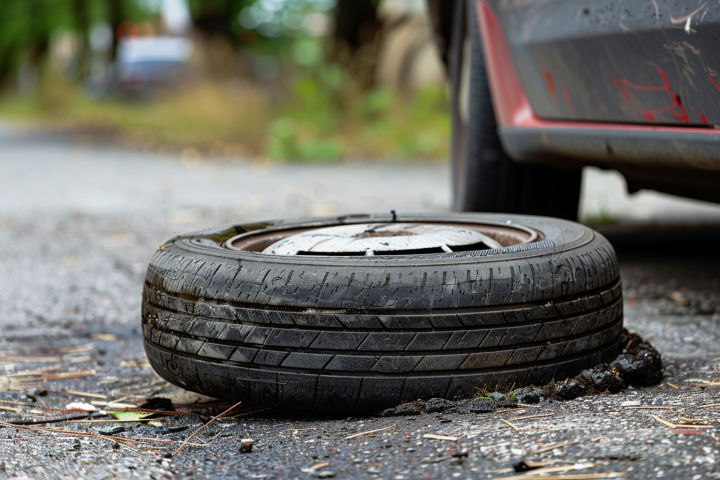
Red Flags and Potential Scams in the Second-Hand Tire Market
While many legitimate sellers offer high-quality used tires, the second-hand tire market can also attract unscrupulous sellers and potential scams. Be vigilant for the following red flags:
- Unusually Low Prices: If the price of used tires seems too good to be true, it often is. Meager prices may indicate that the tires are in poor condition or unsafe.
- Lack of Information: Sellers who provide minimal or vague information about the tires, such as age, tread depth, or brand, should be viewed cautiously. Transparency is key.
- No Inspection Records: If the seller cannot provide any records of inspections or maintenance on the tires, it may raise concerns about their history and condition.
- Pressure to Buy Quickly: Beware of sellers who pressure you to make a quick decision or claim that the tires are in high demand. Scammers often use high-pressure tactics.
- Sellers with No Reputation: Online marketplaces may feature sellers with no ratings or reviews. Proceed cautiously when dealing with such sellers and request additional information.
- Incomplete Sets: Be cautious if the seller cannot provide a complete set of matching tires or if they are selling tires with uneven wear patterns.
- No Return Policy: A refusal to accept returns or provide any form of warranty can indicate that the seller is not confident in the quality of the tires.
Installation and Maintenance Insights
Properly installing and maintaining second-hand tires is essential to ensure safety, performance, and longevity. This section will provide valuable insights into best practices for installing pre-owned tires and offer maintenance tips to keep them in peak condition.
Best Practices for Installing Second-Hand Tires
Proper installation of second-hand tires is crucial for safety and optimal performance. Here are some best practices to follow during the installation process:
- Professional Installation: Whenever possible, opt for professional tire installation. Experienced technicians have the equipment and expertise to mount and balance tires correctly.
- Match Tire Types: Ensure that the second-hand tires you’re installing match the type, size, and specifications of the tires on the other wheels. Mismatched tires can affect handling and stability.
- Balancing: Have the tires balanced during installation to minimize vibrations and uneven wear. Adequately balanced tires contribute to a smoother and safer ride.
- Wheel Alignment: Consider getting a wheel alignment after installing new or used tires. Proper alignment ensures even tire wear and stable handling.
- Torque Specifications: Tighten the lug nuts or bolts to the manufacturer’s recommended torque specifications. Over-tightening or under-tightening can lead to safety issues.
- Inspect Valves and Valve Stems: Ensure the tire valves and valve stems are in good condition. Leaky valves can result in gradual air loss and affect tire pressure.
Maintaining Used Tires for Peak Performance
Maintaining second-hand tires is essential to maximize their performance and lifespan. Here are some maintenance insights to keep your used tires in excellent condition:
- Regular Inspections: Conduct visual inspections of your tires regularly. Look for signs of damage, cuts, punctures, or irregular wear. Catching issues early can prevent further damage.
- Maintain Proper Inflation: Check tire pressure regularly and keep it at the recommended levels specified in your vehicle’s owner’s manual or on the tire placard. Proper inflation improves fuel efficiency and tire longevity.
- Rotate Tires: Rotate your tires regularly to ensure even wear. The frequency of rotation depends on your vehicle and driving habits, but it is typically recommended every 6,000 to 8,000 miles.
- Avoid Overloading: Be mindful of your vehicle’s load capacity and avoid overloading. Excessive weight can damage tires and reduce performance.
- Balance and Alignment Checks: Periodically check the balance and alignment of your tires, especially after hitting potholes or curbs. These factors can impact tire wear and handling.
- Storage Considerations: If you have spare or seasonal tires, store them properly in a cool, dry place away from direct sunlight. Ensure they are clean and free from debris before storage.
- Tire Cleaning: Regularly cleaning your tires with mild soap and water can help remove dirt and contaminants that can degrade the rubber over time.
- Replace When Necessary: Be vigilant about the age and condition of your second-hand tires. If they show signs of significant wear, damage, or aging, consider replacing them to maintain safety and performance.
Making a Knowledgeable Choice
Choosing between new and second-hand tires requires careful consideration of cost, personal needs, and safety. In this section, we will guide you through making an informed decision by comparing prices and conducting an individual needs and safety assessment.
Cost Comparison: New vs. Second-Hand Tires
Cost is one of the primary factors influencing the choice between new and second-hand tires. Let’s delve into the cost comparison to help you understand the financial aspects of your decision:
- Initial Cost: New tires typically cost more upfront than second-hand tires. However, second-hand tires are more affordable on a tight budget.
- Long-Term Savings: While second-hand tires offer immediate cost savings, the long-term perspective must be considered. New tires often come with warranties and longer lifespans, potentially reducing the overall cost per mile over their lifespan.
- Fuel Efficiency: New tires often have improved rolling resistance and better tread patterns for fuel efficiency. This can result in potential fuel savings over time.
- Safety: New tires are engineered to meet the latest safety standards and often have advanced features for enhanced traction and handling. Investing in new tires can contribute to better safety on the road.
- Warranty Coverage: New tires typically come with manufacturer warranties that cover defects and certain types of damage. Second-hand tires may not offer the same level of warranty protection.
Personal Needs and Safety Assessment
Beyond cost, your personal needs and safety considerations play a pivotal role in making the right tire choice:
- Driving Habits: Consider your driving habits and the conditions you frequently encounter. New tires with superior tread and traction may be essential for safety if you drive in challenging weather conditions, such as heavy rain or snow.
- Vehicle Type: The type of vehicle you drive can influence your tire choice. Larger and heavier vehicles may require more robust tires for optimal safety and performance.
- Mileage Expectations: Think about how many miles you typically drive and your expectations for tire longevity. New tires generally have longer lifespans, making them suitable for high-mileage drivers.
- Safety Prioritization: If safety is your top concern, new tires with advanced safety features, such as anti-lock braking system (ABS) compatibility, can provide added peace of mind.
- Budget Flexibility: Assess your budget and consider whether you can afford the initial cost of new tires. If your budget allows, new tires may be the preferred choice for safety and long-term value.
- Environmental Impact: For eco-conscious drivers, new tires may offer improved fuel efficiency and lower emissions, reducing environmental impact.
Insights from Experts and Industry Professionals
Gaining insights from experts and industry professionals can provide valuable knowledge regarding making informed decisions about second-hand tires. In this section, we will explore the benefits of exclusive interviews with automotive authorities and discuss emerging trends in the second-hand tire market.
Exclusive Interviews with Automotive Authorities
Interviews with automotive authorities offer unique perspectives and firsthand knowledge that can help consumers navigate the complexities of the second-hand tire market. Here are some key insights often gleaned from such interviews:
- Safety Assurance: Experts emphasize the importance of safety when purchasing second-hand tires. They often recommend that buyers prioritize tires with sufficient tread depth and a good history of maintenance and inspections.
- Tire Age Awareness: Automotive authorities stress the significance of tire age. Even second-hand tires have plenty of treads. They may pose safety risks if they are too old. Experts advise buyers to check the DOT code on the sidewall to determine the manufacturing date.
- Quality Sources: Industry professionals can recommend reputable sources for second-hand tires. They often highlight the value of purchasing from established dealers, specialty shops, or well-rated online marketplaces.
- Professional Inspection: Experts may advise buyers to have used tires professionally inspected before purchase, especially if they have doubts about their condition. This can help identify hidden issues that may not be visible to the naked eye.
- Trend Insights: Automotive authorities can offer insights into emerging trends in the tire industry, such as the growing demand for eco-friendly and sustainable tire options. Understanding these trends can influence purchasing decisions.
Shaping the Future: Trends in the Second-Hand Tire Market
The second-hand tire market is dynamic, and staying informed about emerging trends can benefit consumers. Here are some trends shaping the future of the second-hand tire market:
- Sustainability: The tire industry is increasingly focusing on sustainability and environmental responsibility. This trend is driving the development of eco-friendly tire options and recycling initiatives.
- Online Marketplaces: The convenience of online marketplaces for buying and selling second-hand tires is on the rise. Consumers can expect more options and streamlined purchasing processes in the digital space.
- Advanced Inspection Technologies: Tire sellers are adopting advanced inspection technologies, such as laser scanning and AI-powered tools, to assess the condition of used tires more accurately.
- Warranty Offerings: Some sellers are beginning to offer extended warranties on high-quality second-hand tires, providing added peace of mind for buyers.
- Educational Resources: To empower consumers to make informed choices, there is a growing availability of academic resources, including blogs, videos, and guides, that provide valuable information on selecting and maintaining second-hand tires.
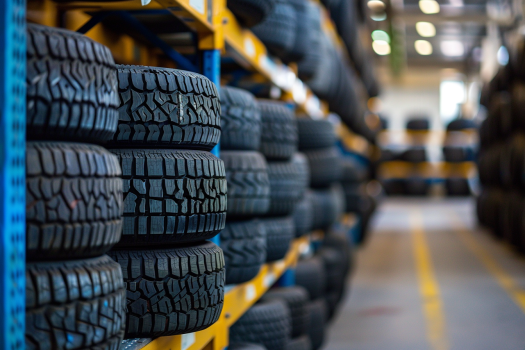
Conclusion & Recommendations
In this comprehensive guide, we’ve delved into the world of second-hand tires, exploring every aspect to help you make an informed decision when purchasing these essential components for your vehicle. We’ve covered everything from understanding the second-hand tire market to assessing safety, legal considerations, and maintenance. Now, it is time to summarize our findings and offer final recommendations for those seeking the best tire options for their needs.
Weighing the Pros and Cons
As with any significant purchase, there are pros and cons to buying second-hand tires. Let’s recap some of the key advantages and disadvantages:
Pros:
- Cost Savings: Second-hand tires can be significantly cheaper than new ones, offering a budget-friendly option for many consumers.
- Eco-Friendly: Opting for used tires can contribute to sustainability by extending the lifespan of these products.
- Availability: You may find unique or discontinued tire models in the second-hand market, providing solutions for specific vehicle needs.
Cons:
- Safety Risks: The condition of used tires varies, and some may not meet safety standards, posing potential hazards.
- Limited Lifespan: Second-hand tires often have a shorter lifespan than new ones.
- Unknown History: It can be challenging to ascertain a tire’s history, including its maintenance, repair, and usage.
Final Recommendations for Informed Tire Buyers
Now, as you embark on your journey to select the right tires for your vehicle, we offer these final recommendations:
- Prioritize Safety: Above all else, prioritize safety when choosing second-hand tires. Insist on tires with adequate tread depth, a clear maintenance history, and compliance with legal standards.
- Professional Inspection: Whenever possible, have used tires professionally inspected before purchase. This step can uncover hidden issues and provide peace of mind.
- Consider Your Needs: Assess your driving habits, vehicle type, and environmental considerations. These factors should influence your tire choice.
- Budget Wisely: While second-hand tires may offer cost savings, balance your budget with the long-term value and safety that new tires can provide.
- Stay Informed: Keep abreast of industry trends and seek advice from automotive authorities to make informed choices.
- Buy from Reputable Sources: Choose trustworthy sources for your second-hand tires, such as established dealers, specialty shops, or well-rated online marketplaces.
- Maintenance Matters: Whether you choose new or second-hand tires, regular maintenance, including proper inflation, rotation, and alignment, is essential for tire longevity and safety.
Ready to make a knowledgeable tire purchase?
Explore our selection at GigaTires and find the perfect tires for your vehicle. Your safety and satisfaction are our top priorities. Make the right choice today!
FAQs:
Are second-hand tires safe to use on my vehicle?
The safety of second-hand tires depends on various factors, including their condition, age, and usage history. It is crucial to thoroughly inspect used tires and ensure they meet safety standards before considering them for your vehicle.
How can I determine the age of second-hand tires?
You can choose the age of second-hand tires by checking the Department of Transportation’s (DOT) code on the tire’s sidewall. The last four digits of the code represent the week and year of manufacture. Be cautious of tires that are too old, as they may have safety issues.
What is the meaning of second-hand tires?
Second-hand tires refer to tires previously used on a vehicle that are now being resold. These tires may have varying levels of wear and can be purchased as an alternative to brand-new tires.
What are the disadvantages of second-hand tires?
Second-hand tires have disadvantages, including potential safety risks if they are in poor condition, a shorter lifespan compared to new tires, and uncertainty about their history and maintenance. Buyers must carefully inspect and assess the condition of used tires.
What are the benefits of buying used tires?
Purchasing used tires offers advantages such as cost savings, eco-friendliness by extending tire life, and the possibility of finding rare or discontinued tire models. It can be a budget-friendly option if you choose quality tires with a good history.
Is it okay to buy 2nd hand tires?
Yes, it can be okay to buy second-hand tires, but it depends on various factors. Safety should be a priority, so buyers must ensure that the used tires they consider are in good condition, have sufficient tread depth, and meet legal standards. Thorough inspection and research are crucial to making a safe and cost-effective purchase.