
Last Updated on 4 months
The Price of Safety: Analyzing the High Cost of Quality Tires
In the realm of automotive safety, tires stand as unsung heroes. This article, “The Price of Safety: Analyzing the High Cost of Quality Tires,” delves into the often overlooked yet vital aspect of vehicular safety – the tires.
A critical component in ensuring a safe and smooth journey, tires are the sole point of contact between a vehicle and the road. Yet, their significance is frequently overshadowed by their cost. This piece aims to unravel the complexities behind tire pricing, shedding light on why investing in quality tires is not merely an expense but a crucial investment in safety. From the intricate engineering behind their design to the advanced materials used in their construction, we explore the myriad factors that contribute to the cost of quality tires, affirming that safety is indeed priceless when it comes to tires.
Introduction: Deciphering Tire Costs
Tires are essential to any vehicle and critical to safety, performance, and efficiency. Yet, the cost of quality tires often surprises consumers. Why do these seemingly simple rubber rings command such high prices? This is not just a question of economics but also of safety, technology, and environmental considerations.
Quality tires are more than just accessories; they are intricate products of advanced engineering and material science. The high cost of quality tires can be attributed to several factors, each contributing to their overall value and impact on vehicle performance.
1. Research and Development: The Invisible Cost
Behind every quality tire lies extensive research and development (R&D). Tire manufacturers invest heavily in R&D to enhance safety features, improve performance under varying conditions, and extend the lifespan of their products. This continuous innovation involves testing new materials, designs, and manufacturing processes. The cost of these R&D efforts is significant, often reflected in the final price of the tires.
2. Advanced Materials and Construction
The materials used in quality tires are far from ordinary. High-grade rubber, reinforced with materials like steel and synthetic fibers, adds to both the durability and cost. The complexity of the tire’s construction, including its tread design and sidewall features, also plays a role. Each layer and element of a tire serves a purpose, whether it is to improve grip, reduce noise, or increase resilience.
3. Safety Standards and Performance Testing
Safety is paramount in tire manufacturing. Quality tires undergo rigorous testing to ensure they meet high safety standards. This includes resistance to wear and tear, the ability to handle different weather conditions, and performance in emergencies. Meeting these standards involves both time and resources, adding to the cost.
4. Environmental Regulations and Sustainability Efforts
Modern tire manufacturing also considers environmental impact. Compliance with environmental regulations and moving towards more sustainable practices, like using eco-friendly materials and reducing waste during production, can increase manufacturing costs. While beneficial for the planet, these efforts often require additional investment from manufacturers.
5. Brand Reputation and Warranty Offerings
Reputable tire brands often price their products higher due to their established quality and reliability track record. Additionally, warranties and customer service offered by these brands add to the cost but provide value through assurance of longevity and performance.
In conclusion, the high cost of quality tires is multifaceted, encompassing safety, technology, and sustainability aspects. As we delve further into these elements in the following sections, we gain a deeper understanding of why investing in quality tires is not just a purchase but a commitment to safety and performance.
The Anatomy of a Tire
Understanding the anatomy of a tire is crucial in appreciating why quality tires are a significant investment. Tires are complex products of various materials and layers, each serving a unique function. Here, we explore the core components of a tire and the evolution of tire design, offering insights into how tire technology has advanced over the years.
Core Components: What Goes Into a Tire?
A tire is not just a piece of molded rubber; it is a sophisticated assembly of multiple components. The key elements include:
- Tread: The tread is the outermost layer of the tire that makes contact with the road. It is designed with patterns (tread patterns) that determine the tire’s grip, handling, and water displacement capabilities.
- Sidewalls: These are the sides of the tire, visible when the tire is mounted on a vehicle. Sidewalls are crucial for providing lateral stability and protecting the internal layers of the tire.
- Beads: Beads are the parts of the tire that attach to the wheel’s rim. They are made from high-strength steel coated in rubber, providing an airtight seal between the tire and the rim.
- Body Ply: This is a layer of fabric, usually made from polyester, rayon, or nylon, coated in rubber. It gives the tire its shape and strength.
- Belts: Located between the tread and the body ply, belts are typically made of steel and are crucial for reinforcing the tire’s strength and contributing to its treadwear and handling characteristics.
- Inner Liner: This is the innermost layer of a tire in tubeless tires, made of a rubber compound that retains air under pressure.
The Evolution of Tire Design
The design of tires has evolved significantly since their inception.
- Early Tires: Initially, tires were simple bands of rubber fitted around the wheels of carriages. In the late 19th century, the advent of the pneumatic tire, filled with air, provided more comfort and better handling.
- Radial vs. Bias Ply: The introduction of radial tire technology marked a significant leap post-World War II. Unlike the older bias ply design, radial tires had cords that ran perpendicular to the direction of travel, improving handling, tread life, and fuel efficiency.
- Advancements in Rubber Compounds: Developing synthetic rubber and advanced compounding techniques have improved performance in various conditions, including wet and icy roads.
- Tread Technology: Modern tread designs are the result of extensive research. They offer improved grip, reduced noise levels, and better water evacuation, enhancing safety and efficiency.
- Run-Flat Technology: Recent innovations include run-flat technology, which allows tires to maintain functionality even after a puncture and provides drivers with increased safety and convenience.
- Eco-Friendly Tires: The latest trend in tire design is moving towards environmentally friendly manufacturing processes and materials, aiming to reduce the tire’s environmental impact without compromising performance.
Cost Drivers in Tire Manufacturing
The manufacturing of tires is a complex and resource-intensive process involving various cost drivers. In this section, we delve into the primary elements that influence the manufacturing costs of tires: the raw materials and the labor and manufacturing processes.
Raw Materials: The Building Blocks of Tires
In the intricate world of tire manufacturing, the choice and quality of raw materials play a pivotal role. This section, “Raw Materials: The Building Blocks of Tires,” delves into the various materials that form the foundation of every tire. From natural and synthetic rubber to reinforcing agents like steel and carbon black, each component is selected for its unique properties that contribute to the tire’s durability, performance, and safety. Understanding these materials is critical to appreciating the complexities and costs of producing high-quality tires.
- Rubber – Natural and Synthetic: Rubber is the primary material in tire production. The cost of natural rubber fluctuates with market demands and environmental factors affecting rubber plantations. Additionally, synthetic rubber, made from petroleum products, also factors into cost, particularly with fluctuations in oil prices.
- Reinforcing Materials: Tires are reinforced with steel and synthetic fibers to enhance strength and durability. The price of these materials can significantly influence the overall cost of tire manufacturing.
- Chemical Compounds: A range of chemicals, including carbon black, silica, and various vulcanization agents, are used in tire production. These chemicals, essential for the tire’s performance characteristics, add to the material costs.
- Environmental Costs: With an increasing focus on sustainability, eco-friendly materials are rising. Often more expensive than traditional alternatives, these materials increase production costs.
Labor and Manufacturing Processes
Transforming raw materials into finished tires is both labor-intensive and technologically sophisticated. In “Labor and Manufacturing Processes,” we explore the various stages of tire production, highlighting the skilled labor, advanced machinery, and meticulous processes involved. Each step requires precision and expertise, from the initial design and engineering to the final stages of quality control. This segment sheds light on how labor and manufacturing processes are integral to creating reliable and high-performing tires and how they contribute significantly to the overall cost of tire production.
- Skilled Labor: Tire manufacturing requires a combination of skilled labor and sophisticated machinery. The expertise needed to design and build high-quality tires is a significant factor in the cost structure.
- Advanced Machinery: The machinery used in tire production is highly specialized and expensive. Purchasing, maintaining, and upgrading these machines is a significant component of the overall manufacturing cost.
- Quality Control and Testing: Ensuring that tires meet safety and performance standards involves extensive testing and quality control, which requires additional labor and resources.
- Energy Consumption: Tire manufacturing is energy-intensive, especially in the vulcanization process, where the rubber is heated to shape the tire. The cost of energy is a considerable factor in the overall expense of tire production.
- Research and Development: Continual innovation in tire technology involves significant investment in research and development. This includes developing new tire designs and improving manufacturing processes to enhance efficiency and reduce waste.
- Logistics and Distribution: Tires must be distributed to retailers and customers once manufactured. The logistics involved in transportation and storage add to the manufacturing costs.
Technological Advancements and Their Impact
The tire industry, mirroring the broader trajectory of the manufacturing and automotive sectors, has seen significant technological advancements over recent years. These innovations have redefined tire production, leading to enhanced safety and performance. However, they also contribute to the elevated costs of tires. This article delves into how technological advancements have impacted tire production and, consequently, tire pricing.
Innovation in Tire Production
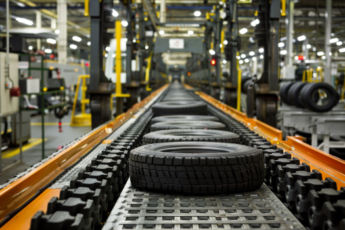
In the dynamic world of tire manufacturing, innovation is a crucial driver of progress. “Innovation in Tire Production” explores the groundbreaking advancements shaping today’s tire industry. From cutting-edge materials to revolutionary design techniques, these innovations redefine tire performance, safety, and environmental sustainability. This section delves into how these technological breakthroughs transform the essence of what tires can achieve, setting new benchmarks for the automotive sector.
- Material Innovations: The evolution of tire materials is a cornerstone of technological advancement. Contemporary tires blend natural and synthetic rubber and specialized compounds like silica, improving grip and fuel efficiency. Developing and integrating these advanced materials requires significant research and resources, impacting production costs.
- Manufacturing Technology: Modern tire manufacturing employs sophisticated extrusion, molding, and curing machinery. Automation and precision engineering have led to consistent, high-quality outputs but also entail significant capital investments.
- Design and Testing: With advancements in computer-aided design (CAD) and computer-aided engineering (CAE), tire designs are more intricate and optimized for various performance metrics. Simulation technologies enable extensive virtual testing before making physical prototypes, ensuring high performance and safety standards.
- Sustainability Initiatives: Increasing focus on sustainability has led to the development of eco-friendly tires using sustainable materials and production methods. While beneficial for the environment, these green initiatives often involve higher costs due to the research, development, and implementation of new, sustainable materials and processes.
How Technology Elevates Costs
While technological advancements in tire production bring numerous benefits, they also come with a cost. The section “How Technology Elevates Costs” examines the financial implications of these innovations. From the substantial investments in research and development to the high costs of sophisticated manufacturing equipment and skilled labor, this part of the discussion provides insight into why advanced tire technologies contribute to higher production expenses and, consequently, the retail price of tires.
- Research and Development (R&D) Expenditure: The tire industry invests heavily in R&D to innovate and improve tire performance. This continual investment, essential for staying competitive, is a significant factor in the overall cost of tire production.
- Advanced Machinery and Equipment: Adopting high-tech manufacturing equipment and robotics increases efficiency and consistency in production. However, the acquisition, operation, and maintenance of this state-of-the-art machinery require substantial financial outlays.
- Skilled Workforce: Advanced manufacturing processes necessitate a workforce with specialized skills. Training and retaining such qualified personnel contribute to tire manufacturers’ operational costs.
- Quality Assurance and Compliance: Ensuring that tires meet stringent safety and performance standards involves rigorous testing and quality control processes, utilizing advanced testing equipment and methodologies. This level of quality assurance adds to the production costs.
- Market Adaptation Costs: Introducing new technologies into the market often requires significant marketing efforts to educate consumers and gain their trust. Bringing new tire technologies to market can also affect the pricing structure.
Quality Versus Cost
The debate between quality and cost is a constant theme in tire manufacturing. This segment, “Quality Versus Cost,” seeks to unravel this complex equation, shedding light on how the two aspects are interrelated and why prioritizing one over the other can have significant implications.
Deciphering the Quality-Cost Equation
In the intricate world of tire manufacturing, the relationship between quality and cost is complex and crucial. “Deciphering the Quality-Cost Equation” explores this dynamic, aiming to unravel how the aspects of tire quality directly influence their cost. This section delves into the factors that elevate the price of high-quality tires, from advanced materials and manufacturing processes to extensive research and development. It provides a comprehensive understanding of why premium tires come with a higher price tag and how this reflects their superior performance, safety, and longevity.
- Material Quality and Production Costs: Higher-quality materials typically equate to higher costs. Premium tires often use advanced rubber compounds and reinforced materials for better performance and durability. The process of sourcing and utilizing these superior materials naturally elevates production costs.
- Manufacturing Precision: Producing high-quality tires requires precision in manufacturing. This involves investing in advanced machinery, employing skilled labor, and implementing stringent quality control measures, all of which contribute to the overall cost.
- Research and Development (R&D): Extensive R&D also results in quality in tire production. Developing new tire technologies, from improved tread patterns to eco-friendly materials, demands substantial investment in time and resources.
- Brand Reputation and Guarantees: Renowned tire brands often price their products higher, not just for the brand name but for the assurance of quality they offer. This includes warranties and guarantees that promise durability and performance, adding to the cost.
- Regulatory Compliance: Adhering to safety and environmental standards is non-negotiable in tire production. Compliance with these regulations ensures high quality but can also escalate production costs due to the need for additional testing and certification processes.
The Long-Term Benefits of Investing in Quality
While the upfront cost of high-quality tires can be significant, “The Long-Term Benefits of Investing in Quality” examines the enduring advantages of such an investment. This part of the discussion highlights how quality tires, despite their initial cost, are economically beneficial in the long run. From enhanced safety and improved fuel efficiency to more excellent durability and reduced environmental impact, this section outlines why investing in quality tires is a wise choice for the present and a cost-effective decision for the future.
- Enhanced Safety: High-quality tires significantly contribute to vehicular safety. They provide better traction, stability, and braking performance, which is crucial in preventing accidents.
- Improved Fuel Efficiency: Quality tires are designed for optimal performance, which includes reducing rolling resistance. This efficiency leads to lower fuel consumption, offering long-term savings to the consumer.
- Longevity: Premium tires, while more expensive upfront, often have a longer lifespan. This durability means fewer replacements and, over time, can be more cost-effective than purchasing cheaper, lower-quality tires.
- Better Performance in Diverse Conditions: High-quality tires are engineered to perform well in various road conditions, whether wet, dry, or snowy. This adaptability enhances the driving experience and safety.
- Environmental Impact: Investing in quality tires also has an ecological angle. Longer-lasting tires mean less frequent replacements and, consequently, reduced tire waste. Additionally, tires that contribute to better fuel efficiency indirectly reduce carbon emissions.
The Economics Behind Tire Pricing
A complex web of economic factors influences the pricing of tires. This article, “The Economics Behind Tire Pricing,” aims to demystify the financial aspects that shape tire costs, focusing on market forces, pricing strategies, and the impact of branding and marketing.
Market Forces and Pricing Strategies
The pricing of tires is not just a matter of cost and markup; it is significantly influenced by “Market Forces and Pricing Strategies.” This part of the article examines the complex interplay of supply and demand, global economic trends, and competitive dynamics that shape tire prices. It highlights how factors such as raw material costs, manufacturing expenses, and market competition are intricately linked to consumers’ final prices. This section offers insights into how tire manufacturers and retailers navigate these market forces to set prices, balancing profitability with consumer affordability and market conditions.
- Supply and Demand Dynamics: The fundamental economic principle of supply and demand plays a significant role in tire pricing. Factors such as raw material availability, global tire demand, and production capacity influence the market. For instance, a shortage in natural rubber due to climate conditions can drive up tire prices.
- Competition in the Market: The tire industry is highly competitive, with numerous manufacturers vying for market share. This competition can lead to aggressive pricing strategies, where manufacturers and retailers adjust prices to attract consumers, balance market share, and maximize profits.
- Global Economic Conditions: The global economy affects tire pricing significantly. Economic downturns can decrease consumer spending, leading to lower tire prices, while economic booms might increase prices due to heightened demand.
- Manufacturing Costs: The cost of manufacturing tires, including raw materials, labor, and overhead, directly affects pricing. Fluctuations in these costs, whether due to market changes, technological advancements, or geopolitical events, are often passed on to the consumer.
The Role of Branding and Marketing
In the competitive landscape of tire manufacturing, “The Role of Branding and Marketing” plays a pivotal role in shaping consumer perceptions and preferences. This section delves into how tire companies use branding and marketing strategies to establish their market position, communicate the value of their products, and influence pricing. It explores the impact of brand reputation, advertising campaigns, and market segmentation on consumer choices and how these elements contribute to the overall pricing strategy of tires. This discussion underscores the power of effective branding and marketing in driving sales and justifying the premium pricing of certain tire brands.
- Brand Perception and Value: Well-established tire brands often command higher prices due to perceived value and trust in their product quality. Consumers are sometimes willing to pay more for a brand they trust, even if comparable alternatives are available at a lower cost.
- Marketing Strategies: Effective marketing can significantly influence tire pricing. Brands invest in marketing to differentiate their products, highlight unique features, and justify higher prices. Marketing campaigns effectively conveying a tire’s quality and advantages can increase consumers’ willingness to pay premium prices.
- Target Market Segmentation: Tire manufacturers often segment their products to target different market segments — from economy to premium tiers. Each segment is priced according to the perceived value and features offered, with premium tires boasting advanced technology and superior performance commanding higher prices.
- Product Placement and Promotions: Tire placement in retail outlets and online platforms, along with promotional strategies like discounts and bundle offers, plays a role in pricing dynamics. Such a strategy can influence consumer perception of value and urgency, affecting pricing and sales.
Environmental and Safety Standards
Environmental and safety standards have become increasingly significant in tire manufacturing. This article, “Environmental and Safety Standards,” focuses on how these standards shape the industry, impacting the manufacturing processes and the final product. We will explore the eco-friendly practices that tire manufacturers adopt and the rigorous safety regulations they must adhere to, underscoring their importance and associated costs.
Eco-Friendly Practices in Tire Manufacturing
As environmental awareness grows, “Eco-Friendly Practices in Tire Manufacturing” has become more than just a trend – they are an imperative for the tire industry. This segment explores the various sustainable practices tire manufacturers adopt, from utilizing renewable materials to implementing energy-efficient production processes. It sheds light on the industry’s efforts to minimize its environmental footprint, addressing the challenges and costs associated with these green initiatives. This section underscores the commitment of tire manufacturers to environmental stewardship, balancing ecological responsibility with the demands of tire production.
- Sustainable Materials: The shift towards sustainable materials is a significant trend in eco-friendly tire manufacturing. Manufacturers increasingly use renewable materials like natural rubber, bio-based oils, and recycled materials in tire composition. While these materials reduce the environmental footprint, they often come with higher costs due to limited availability and complex processing requirements.
- Reduced Carbon Footprint: Tire manufacturers are actively working to reduce the carbon footprint of their production processes. This includes investing in renewable energy sources, improving factory energy efficiency, and minimizing waste. Implementing these green initiatives requires significant investment but is essential for sustainable manufacturing practices.
- Life Cycle Management: Tires’ environmental impact extends beyond production. Manufacturers are focusing on the entire life cycle of the tire, including improving fuel efficiency through low rolling resistance and extending tire life. These innovations require R&D investments but result in an environmentally friendly product throughout its lifespan.
- Recycling and Reuse: Reusing tires at the end of their life is a crucial component of eco-friendly practices. Developing methods for efficiently recycling tires into valuable products is an ongoing challenge, but it is vital for reducing waste and conserving resources.
Safety Regulations: A Costly Necessity
A Costly Necessity” delves into the myriad safety standards that tire manufacturers must meet. This discussion highlights the importance of these regulations in ensuring the safety and reliability of tires, examining the rigorous testing and quality control measures involved. While these safety practices entail significant costs for manufacturers, they are indispensable in safeguarding consumers’ lives and maintaining the integrity of the automotive industry.
- Compliance with Safety Standards: Tire manufacturers must comply with numerous safety standards and regulations, which vary by country and region. These standards ensure that tires meet specific performance criteria, such as tread depth, strength, and resistance to wear and tear. Compliance with these regulations often requires additional testing and quality control measures.
- R&D for Safety Innovations: Research and development in tire safety are continuous, focusing on aspects like wet grip, braking performance, and stability at high speeds. Investing in safety-related R&D is costly but critical for manufacturing tires that ensure passenger safety.
- Quality Control and Testing: Tire manufacturers implement rigorous quality control and testing protocols to adhere to safety standards. This includes both in-house testing and third-party verifications. The costs associated with these comprehensive testing procedures are substantial but necessary to guarantee the tires’ safety.
- Recall and Liability Costs: Compliance with safety standards also means that manufacturers must be prepared to recall tires if a safety issue is identified. This potential liability represents a significant financial risk and underscores the importance of stringent safety measures in tire production.
The Lifecycle of a Tire
The journey of a tire from its inception in the factory to its final destination on the road is a complex process, encompassing various stages and considerations. This article, “The Lifecycle of a Tire,” explores each phase of a tire’s life, from its production to its usage and eventual replacement, highlighting the cost implications at each step.
From Production to the Road: The Tire’s Journey
This section explores the intricate processes involved in tire production, including the selection of materials, manufacturing techniques, and quality control measures. It also covers the distribution and installation phases, highlighting a tire’s journey before it hits the road. This insight into the tire’s production journey provides a deeper understanding of the complexities and costs of bringing a high-quality tire to the consumer.
- Manufacturing Process: A tire’s life begins in the manufacturing plant. Here, raw materials such as rubber, steel, and various chemicals are combined and molded to form the tire. This process involves multiple stages, including mixing, building, curing, and inspection. The advanced technology and materials used in this process are crucial for ensuring the tire’s quality and performance capabilities.
- Distribution and Retail: Once manufactured, tires are distributed to retailers or directly to automotive manufacturers. The distribution process adds to the tire’s cost, influenced by logistics such as transportation and storage.
- Installation and Initial Usage: The next phase is installing the tire on a vehicle. Proper installation and initial maintenance, such as balancing and alignment, are essential for maximizing tire life and performance. This stage often involves additional costs for the consumer.
- Performance on the Road: A tire’s performance on the road is influenced by various factors, including driving habits, road conditions, and vehicle characteristics. The design and quality of the tire play a significant role in its handling, fuel efficiency, and overall safety during its operational life.
Maintenance and Replacement: Cost Implications
In “Maintenance and Replacement: Cost Implications,” the focus shifts to the operational life of the tire. This segment discusses the importance of regular maintenance, including checks for air pressure, tread depth, and overall tire condition, emphasizing how proper care can extend the tire’s lifespan and ensure optimal performance. It also delves into the inevitable wear and tear tire experience, outlining the factors influencing when a tire should be replaced and its associated costs. This section highlights the critical role of maintenance in prolonging tire life and the economic considerations of tire replacement, offering valuable insights for consumers on managing tire-related expenses effectively.
- Regular Maintenance: Regular tire maintenance is necessary to ensure longevity and performance. This includes periodic air pressure, tread depth, and overall condition checks. Proper maintenance can extend a tire’s life, proving cost-effective in the long run.
- Wear and Tear: Over time, tires wear down due to friction with the road surface. Factors contributing to wear include driving style, road conditions, and climate. Regular inspection is crucial in identifying when a tire is no longer safe or efficient.
- Replacement: Eventually, all tires reach a point where they need to be replaced. The replacement cost varies depending on the type of tire and the vehicle. Investing in high-quality tires can be more cost-effective over time, as they typically offer longer life and better performance.
- Disposal and Recycling: The end of a tire’s life cycle is its disposal or recycling. Disposing of tires in an environmentally friendly manner can incur additional costs. However, tire recycling is becoming increasingly common, turning end-of-life tires into products such as rubber mulch, playground surfaces, or even new tires.
The lifecycle of a tire encompasses various stages, each with its cost implications. From the complex manufacturing process to the critical maintenance and eventual replacement, understanding these phases helps consumers appreciate the value and cost-effectiveness of investing in quality tires. Proper maintenance and timely replacement ensure safety on the road and contribute to the tire’s overall cost efficiency throughout its life.
Global Trends Influencing Tire Costs
In an increasingly interconnected world, the tire industry is not immune to the ebbs and flows of global trends. The cost of tires is subject to many international factors, ranging from the intricacies of global supply chains to the broader economic and political landscapes. This article, “Global Trends Influencing Tire Costs,” aims to shed light on these complex dynamics and how they impact tire pricing.
The Impact of Global Supply Chains
Global supply chains play a critical role in tire manufacturing and pricing. Fluctuations in raw material availability, transportation costs, and manufacturing locations significantly influence the price and availability of tires worldwide, reflecting the interconnected nature of the global economy.
- Raw Material Availability and Pricing: The tire industry heavily relies on specific raw materials, such as natural rubber, synthetic rubber, and steel. The global availability and pricing of these materials are subject to changes in the international market, influenced by factors like agricultural conditions for natural rubber, crude oil prices for synthetic rubber, and mining outputs for steel.
- Logistics and Transportation Costs: Transporting raw materials and finished tires globally is a significant component of tire pricing. Fluctuations in fuel costs, shipping rates, and logistics efficiency can all impact the final price of tires.
- Manufacturing Location and Labor Costs: The global spread of tire manufacturing facilities means labor costs in different countries can influence tire prices. Changes in wage regulations, labor market conditions, and currency exchange rates in manufacturing countries play a crucial role.
- Trade Policies and Tariffs: International trade policies, including tariffs and trade agreements, significantly affect tire costs. Tariffs imposed on tire imports or exports can increase prices, while free trade agreements might reduce costs.
Economic and Political Factors at Play
Economic and political environments worldwide directly impact tire costs. Economic trends dictate market demand and purchasing power, while political stability, policies, and trade agreements shape the operational landscape of the tire industry, affecting prices and supply chain dynamics.
- Global Economic Conditions: The overall health of the worldwide economy impacts consumer demand for tires and, consequently, their pricing. Economic downturns can lead to decreased demand and lower prices, while economic booms might increase demand and prices.
- Political Stability and Policies: Political events and stability in critical tire-producing countries can affect tire production and supply. Governmental policies regarding environmental regulations, subsidies, and investments in the tire industry also play a part.
- Technological Innovations and Market Competition: Global trends in technological advancements and the competitive landscape in the tire industry influence costs. Innovations leading to more efficient manufacturing processes or higher-quality products can drive prices up or down, depending on how they affect production costs and market competition.
- Environmental Regulations and Sustainability Initiatives: Increasingly stringent global environmental regulations and the growing trend towards sustainability in manufacturing can influence tire costs. The shift towards more eco-friendly production processes and materials, while beneficial for the environment, may involve higher costs.
Conclusion & Recommendation
As we conclude our comprehensive exploration into the factors influencing tire costs, it is evident that the pricing of tires is a multifaceted issue. The journey through the intricacies of tire manufacturing, the impact of technological advancements, environmental and safety standards, and the global economic and political influences provides a clearer picture of why tires are priced the way they are. Understanding these factors is critical to appreciating the value behind each tire and recognizing that it is not just a product but a culmination of extensive research, advanced technology, and global market dynamics.
Making Smart Choices as a Consumer
For consumers, this knowledge is empowering. It equips you with the insight to make informed decisions when purchasing tires. When selecting tires, consider the price, quality, safety features, and long-term benefits. Investing in high-quality tires might seem expensive upfront, but they can offer more excellent value in the long run through enhanced safety, better fuel efficiency, and longer lifespan. Regular maintenance of tires is also crucial; it not only extends the life of your tires but also ensures your safety on the road.
Choose Giga Tires
Now that you have a deeper understanding of tire costs and the importance of making informed choices, it is time to implement this knowledge. At Giga Tires, we offer a wide range of high-quality tires that cater to various needs and budgets. Our selection includes tires from renowned brands, ensuring the best performance, safety, and durability. Whether you’re looking for tires that offer superior grip, longevity, or fuel efficiency, Giga Tires has options that meet your specific requirements.
Explore our extensive collection at Giga Tires and find the perfect match for your vehicle. You can confidently shop with our easy-to-navigate website, detailed product descriptions, and customer reviews. Make a wise choice today and ensure your safety and satisfaction on the road. Click here to find the best tires for your vehicle and enjoy a seamless and satisfying purchasing experience at Giga Tires.
FAQs
How much does it cost to make a tire?
The cost to manufacture a tire varies widely, depending on factors like the tire’s type, size, and quality. Production costs can range from $50 to several hundred dollars per tire, encompassing raw materials, labor, research and development, and overhead expenses.
What is the cost price of tires?
The cost price of tires depends on various factors such as brand, type, and technology involved. Generally, consumer tires can range from $50 to $200 each, with high-performance or specialized tires costing more.
How expensive is a set of tires?
The cost of a set of tires can vary significantly, ranging from around $200 for a basic set to $800 or more for high-end or specialized tires. The final price depends on factors like tire type, size, and brand.
What makes tires so expensive?
Tires are expensive due to the complex manufacturing process, high-quality materials, advanced technology, and rigorous safety and performance testing they undergo. Research, development, and environmental and safety compliance also contribute to the high cost.
Which tire brand is the most expensive?
Among the most expensive tire brands are Michelin, Pirelli, and Bridgestone, known for their high-quality materials, advanced technology, and strong brand reputation. These brands often offer specialized tires for high-performance and luxury vehicles.
What tires are more expensive?
High-performance, all-season, and specialty tires, such as those designed for sports cars or off-road vehicles, are more expensive. The added cost is due to enhanced features like improved grip, durability, and a specific design for challenging conditions.
How much is a good quality tire?
A good quality tire for an average passenger car can cost anywhere from $100 to $300 per tire. This price range typically balances quality, longevity, and performance features.
Why are more expensive tires better?
More expensive tires often offer better performance, longevity, and safety. They are usually made with higher-quality materials and advanced tread designs, providing better handling and stability. The added cost also often includes extended warranties and better customer service.