
Last Updated on 4 months
The Best Winter Tires for Safer Driving in Snow: Expert Tips
Finding the right winter tire isn’t just about picking the best performance or the best price. It’s more like buying the right pair of shoes—you wouldn’t go hiking in flip-flops or wear cowboy boots to the beach. You’ll need to consider several factors to find a tire that suits your specific needs. In this guide, we’ll help you make the best choice for your winter driving.
1) Understanding Winter Tires
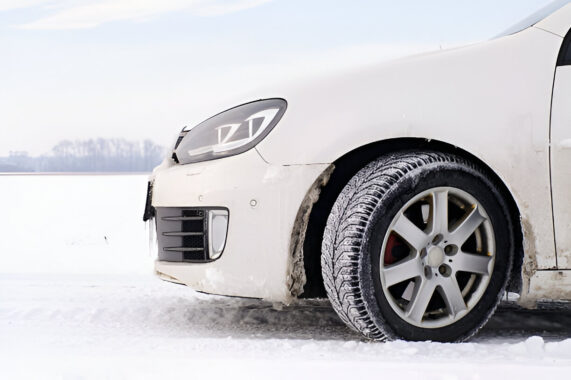
First, let’s define what winter tires are. Also known as snow tires, they are designed specifically to provide better traction, handling, and safety in cold weather conditions. Unlike all-season tires, which try to balance performance across various environments, winter tires are built to perform best in freezing temperatures, ice, snow, and slush.
Features of Best Winter Tires
- Rubber Compound: The rubber in winter tires stays flexible in temperatures below 7 °C (45°F), whereas all-season tires harden, reducing grip.
- Tread Design: Deep tread patterns with wide grooves and biting edges improve grip in snow and slush.
- Sipes: Thin slits across the tire surface create more biting edges, increasing traction on icy surfaces.
2) Assessing Your Climate
One of the first things to consider when choosing winter tires is your driving climate. Do you face heavy snowfall, icy roads, or slush? The severity of your winter weather determines the type of tire you need.
- Mild Winters: You may not need the most aggressive winter tire if you live in an area with relatively mild winters and occasional light snow. An all-season tire could be all that you need. Tires like the Michelin X-Ice Snow or Pirelli Cinturato Weatheractive offer a solid balance of performance in mild winter conditions.
- Severe Winters: For areas with heavy snow, ice storms, or sub-zero temperatures, you’ll need something more robust. Look for tires with aggressive tread patterns that can handle packed snow and ice, such as the Nokian Hakkapeliitta 10 or Bridgestone Blizzak WS90.
3) Studded vs. Studless Tires
When choosing winter tires, you’ll also need to decide between studded or studless options.
- Studded Tires: If you frequently encounter ice, studded tires may be the best option. They provide exceptional grip on ice and hard-packed snow, but can be noisy and may not be legal in all areas.
- Studless Tires: These tires offer excellent traction on snow and ice without metal studs. They are quieter and more versatile for various winter conditions.
4) Driving Habits
Your driving style is a critical factor in selecting the right winter tire.
- City Driving: You may not need the most aggressive winter tires for city driving, where roads are usually cleared quickly after a snowstorm. Look for tire models that offer a comfortable ride and reliable traction in light snow and wet conditions. The Goodyear WinterCommand Ultra or Yokohama iceGUARD iG53 are excellent choices for urban environments.
- Highway Driving: If you spend a lot of time on the highway, consider tires that offer high-speed stability and excellent performance in slush and light snow. Tires like the Continental VikingContact 7 are designed for smooth highway driving and optimized tread patterns for wet and icy roadways.
- Off-Road or Rural Driving: For those living in rural areas where roads may not be plowed regularly, a more aggressive tire with deep tread patterns and sturdy sidewalls is necessary. The Toyo Observe GSi-6 and Falken Espia EPZ II are built for rugged winter conditions and off-road driving.
5) Vehicle Type
Your vehicle type is also a key factor when selecting the right winter tire.
- SUVs and Trucks: For SUVs, crossovers, and trucks, choosing the best winter tires that can handle these vehicles’ additional weight and off-road capability is crucial. Look for tires labeled as “SUV” or “Light Truck” tires, like the Nokian Hakkapeliitta 10 SUV or Bridgestone Blizzak DM-V2, which offer enhanced traction and durability.
- Tire Size and Fitment: Selecting the correct tire size is essential for safety and performance. To find the recommended size, check your vehicle’s owner’s manual or the tire placard on the driver’s side doorjamb.
- Downsizing for Winter: Some drivers opt to “downsize” their winter tires, choosing narrower tires than their summer or all-season options. This is because narrower tires cut through snow more effectively, providing better traction on icy surfaces. However, it’s essential to ensure that the downsized tires still fit your vehicle’s wheels and don’t compromise safety.
6) Performance vs. Budget
Best winter tires can vary significantly in price, and the most expensive options aren’t always necessary. Your budget should align with the level of performance you need.
- Premium Winter Tires: Premium winter tires, such as the Michelin X-Ice Snow or Nokian Hakkapeliitta 10, offer top-tier performance with advanced rubber compounds and tread designs in extreme conditions. However, they come with a higher price tag.
- Budget-Friendly Winter Tires: If you’re looking for a more affordable option that still offers solid performance, consider tires like the Petlas Snow Master W651, Sumitomo Ice Edge, or the General Altimax Arctic. These tires offer good value for money while providing adequate traction and durability in winter conditions.
7) Maintenance and Lifespan
Winter tires wear out faster than all-season tires, primarily when driven on dry roads. For optimal snow performance, monitoring tread depth and replacing your winter tires when they reach a minimum depth of 4/32 inches (3 mm) is important.
- Rotating Your Tires: Rotate your winter tires regularly to extend their lifespan. This means switching the front tires with the rear tires to ensure even wear. Front tires tend to wear faster than rear tires due to the extra weight and friction from steering.
- Storing Your Winter Tires: If you switch between winter and summer tires, proper storage is key to prolonging the life of your winter tires. Store them in a cool, dry place, and consider using tire covers to protect them from dust and UV exposure.
Conclusion
Choosing the best winter tires for your driving needs doesn’t have to be complicated. By considering your climate, driving habits, vehicle type, and budget, you can narrow down your options and make a well-informed decision. Always prioritize safety by selecting tires that are suited to the winter conditions you encounter most frequently. With the right winter tires, you’ll drive confidently and safely through snow, ice, and freezing temperatures.