
Last Updated on 4 months
Preventing Hydroplaning with Winter Tires: Key Insights for Slushy Conditions
Winter driving is full of obstacles—snow, ice, slush, mud, and freezing temperatures can all jeopardize your vehicle’s handling, steering, and braking capabilities. Hydroplaning is one of the most dangerous yet underestimated threats; even with a dependable winter tire, it could still happen. This extremely dangerous occurrence can lead to losing vehicle control, resulting in a serious accident. Let’s explore hydroplaning and what you can do to prevent it from happening.
What is Hydroplaning and What Causes Hydroplaning?
Hydroplaning occurs when a vehicle’s tires lose contact with the road surface due to a layer of water, slush, or snow, causing the driver to lose control. It can happen in any wet condition, but it’s widespread during winter when slush builds up on the roads. The tires simply cannot effectively grip the surface because a layer of water separates them from the pavement. This causes the vehicle to “float” on the water, completely losing control over steering, braking, and acceleration.
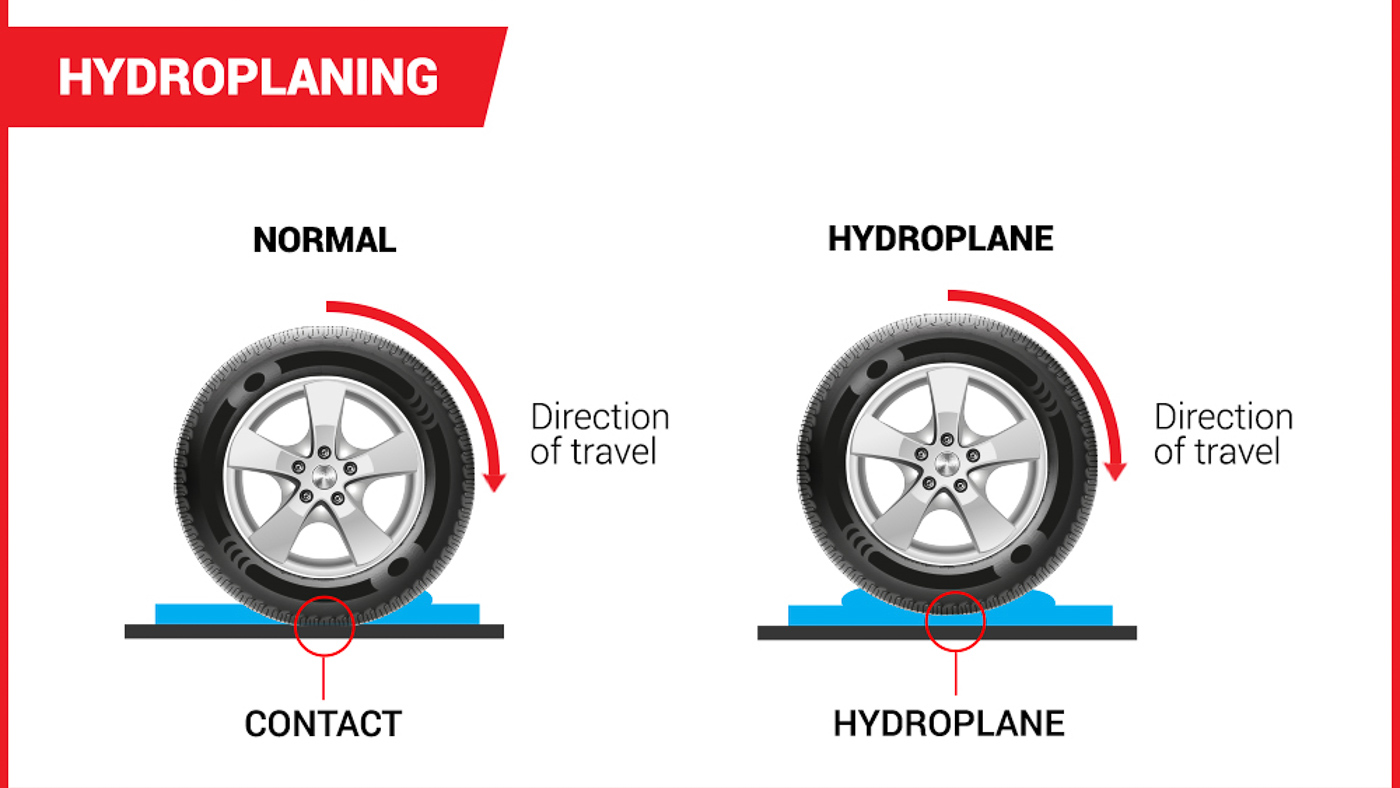
Hydroplaning is similar to skidding on ice because inputs from the steering wheel or brakes will not affect the vehicle’s behavior. Some factors to consider:
- Speed: The faster you drive, the harder it becomes for tires to push water or slush out of the way. If the conditions are poor enough, hydroplaning can occur even at lower speeds (as little as 35 mph).
- Water Depth: The depth of water or slush on the road is critical. A shallow puddle might not be a problem, but deeper standing water or slush increases the risk.
- Tire Condition: Worn or under-inflated tires are less effective at displacing water. The tread pattern, depth, and general tire health significantly determine how well your tires handle wet conditions.
- Road Condition: Smooth roads, like freshly paved or polished asphalt, increase the risk of hydroplaning. Water can pool more efficiently, and the lack of texture reduces traction.
Why Winter Tires Are Best at Preventing Hydroplaning
Winter tires are designed to offer superior performance in wet conditions. They have more profound and broader grooves than all-season or summer tires. These grooves, known as “tread voids,” channel slush and water away from the tire’s contact patch. As water is dispersed more effectively, the tires maintain better contact with the road surface, reducing the risk of hydroplaning. The aggressive pattern on winter tires also improves grip in slushy conditions, offering better handling and control.
1) Siping Technology
Winter tires have more sipes—small slits across the tread blocks that create additional biting edges. These sipes help break the surface tension of water or slush and maintain contact with the road. This technology improves the tire’s ability to resist hydroplaning, especially in variable winter conditions where slush and water mix.
2) Tread Depth
Winter tires typically have a deeper tread than summer or all-season tires. This depth allows more room for slush and water to escape, reducing the chance of hydroplaning. Shallow grooves can’t displace water or slush quickly, leading to a loss of traction. Winter tires are designed to handle thick, slushy layers and maintain stability.
3) Rubber Compound for Low Temperatures
The rubber compound in winter tires remains flexible even in extremely cold temperatures. This flexibility allows the tire to grip the road better, while summer and all-season tires harden in the cold, losing their ability to maintain traction on wet surfaces. By staying soft, winter tires can mold to the road and provide the necessary grip, even in slushy conditions that could lead to hydroplaning.
What To Do When Your Vehicle Starts Hydroplaning?
Despite the superior performance of winter tires, hydroplaning can still occur in extreme conditions. If you find yourself in a hydroplaning situation, knowing the best way to respond is crucial and life-saving:
- Stay Calm – Panicking can worsen the situation. Remain calm and avoid making sudden movements with the steering wheel or brakes, as this can cause the vehicle to skid or lose even more control.
- Ease Off the Gas—Slow down by gently easing off the accelerator. If there’s a lot of standing water on the road, adjust your speed to suit the conditions.
Steer in the Direction You Want to Go – If your vehicle starts to skid, steer in the direction you want the car to go. This helps your tires regain traction more quickly. Avoid overcorrecting, which can lead to “fishtailing” or spinning out. - Do Not Slam on the Brakes – Resist the urge to slam on the brakes. While it is naturally the first instinct people have, it will worsen the situation. Instead, apply steady pressure to maintain control.
- Allow the Vehicle to Slow Down – Hydroplaning usually resolves as the vehicle slows down and the tires regain contact with the road. Let your car coast until you feel the tires firmly gripping the surface again before resuming normal driving.
Preventing Hydroplaning: Additional Tips
- Drive Slower: Reducing your speed in wet, slushy conditions gives your tires more time to displace water or slush, reducing the risk of hydroplaning.
- Avoid Standing Water and Slush: Avoid deep puddles or slush buildup. When possible, stick to the drier parts of the road.
- Proper Tire Inflation: Keep your tires properly inflated to the correct pressure. Underinflated tires are less effective at channeling water and slush away.
- Regular Tire Maintenance: Check your tires regularly for wear and tear. Ensure the tread depth is sufficient for handling wet conditions, as worn tires significantly increase the risk of hydroplaning.
Conclusion
Hydroplaning is a severe winter driving hazard, but it can be managed effectively with the right equipment and knowledge. The main takeaways are to equip your car with the right tires, practice safe driving, and stay alert to avoid hydroplaning. Winter tires are the best defense against hydroplaning in slushy, cold conditions due to their specialized tread design, siping technology, deeper tread, and cold-weather rubber compounds. The right preparation can keep you in control, no matter how slippery the road ahead may be.