Last Updated on 4 months
Exploring Run-Flat Tires Technology
Run-flat tires represent a significant advancement in automotive technology, offering drivers enhanced safety and convenience. This article delves into the intricacies of run-flat tire technology, exploring how these innovative tires function and their benefits to motorists.
Understanding Run-Flat Tires and Their Technology
Run-flat tires are engineered to withstand the effects of deflation when punctured, allowing drivers to continue safely for a limited distance and speed. This capability is typically up to 50 miles at a maximum speed of 50 mph. The primary benefit of this feature is the added safety and convenience it provides, enabling drivers to reach a safe location for tire repair or replacement without the immediate need for a spare tire.
The Technology Behind Run-Flats
The essence of run-flat tire technology lies in its construction. The most prevalent type is the self-supporting run-flat tire, characterized by reinforced sidewalls. These sidewalls are made from robust, heat-resistant rubber materials that support the vehicle’s weight even after a significant loss of air pressure. This reinforcement ensures that the tire remains intact and functional, preventing the sidewall from collapsing and keeping the tire attached to the rim.
Benefits of Run-Flat Tires
- Enhanced Safety: Run-flat tires reduce the risk of accidents caused by blowouts. They provide stability and control in the event of a puncture, enabling drivers to maintain control of the vehicle.
- Convenience: The ability to continue driving after a puncture eliminates the immediate need for roadside tire changes.
- Space and Weight Savings: Run-flat tires eliminate the need for a spare tire, freeing up space and reducing the vehicle’s overall weight, contributing to improved fuel efficiency.
Limitations and Considerations
Despite their advantages, run-flat tires have some limitations. Due to their stiffer construction, they may offer a firmer ride than traditional tires. Additionally, run-flat tires require a Tire Pressure Monitoring System (TPMS) to alert the driver to a loss of pressure, making TPMS an essential component of vehicles equipped with run-flat tires.
Run-flat tire technology represents a leap forward in automotive safety and convenience. These tires add a layer of security and peace of mind by allowing drivers to maintain control and continue driving after a puncture. While they may have specific limitations, their benefits make them a valuable option for many drivers. As technology evolves, we expect further advancements in run-flat tire design and functionality, enhancing their appeal to modern motorists.
Pre-Purchase Considerations for Run-Flats
Run-flat tires stand out as a notable innovation in automotive advancements. However, before investing in these tires, it is crucial to understand various aspects that could impact their performance and suitability for your vehicle. This article provides a comprehensive guide on the critical considerations before purchasing run-flat tires, ensuring an informed decision.
1. Understanding Run-Flat Tire Compatibility
Not all vehicles are suited for run-flat tires. It’s essential to check if your vehicle’s design and suspension are compatible with them. Some cars are specifically designed with run-flat tires in mind, while others may require adjustments to accommodate them.
2. Considering the Driving Conditions
Run-flat tires are designed to perform under specific conditions. Consider the typical driving conditions you encounter – such as road quality, climate, and distance traveled. Run-flat tires may offer different performance characteristics than standard tires under various road and weather conditions.
3. Evaluating Ride Comfort
Run-flat tires are known for their stiffer sidewalls, which can affect ride comfort. They might provide a firmer ride compared to traditional tires. If comfort is a high priority, it’s advisable to test drive a vehicle with run-flats to assess the ride quality.
4. Cost Factor
Generally, run-flat tires can be more expensive than standard tires. The initial investment and the cost of replacement should be considered. While they eliminate the need for a spare tire, the overall cost-benefit ratio should be evaluated.
5. Tire Longevity and Wear
The lifespan of run-flat tires can differ from that of standard tires. Research and understand the expected tire life and wear patterns for run-flat tires, as they may require more frequent replacements depending on your driving habits.
6. Emergency Performance
One of the critical advantages of run-flat tires is their ability to function even after a puncture. Understand the limitations of this feature – typically, they can run for about 50 miles at a reduced speed after a puncture. Consider if this aligns with your driving patterns and the availability of tire repair services in your area.
7. Availability of Repair Services
Run-flat tires may require specialized services for repair or replacement. Ensure you can access tire shops or dealerships to service these tires, especially in your regular driving areas.
8. Monitoring Systems Requirement
Run-flat tires should ideally be used with a Tire Pressure Monitoring System (TPMS). Ensure your vehicle is equipped with a functioning TPMS, as this system is crucial for alerting you to any loss of tire pressure.
Run-Flat Tire Evaluation Methodology
Selecting the right run-flat tires for your vehicle is a critical decision. This article outlines a systematic approach to evaluating run-flat tires, ensuring you choose a product that meets your specific safety, performance, and durability needs. We will explore the essential criteria and methodologies used in evaluating run-flat tires.
1. Assessing Structural Integrity and Durability
The first step in evaluating run-flat tires is to examine their structural integrity. This involves assessing the strength and quality of the sidewalls, which are crucial in maintaining the tire’s shape and providing support in case of air loss. Durability tests, including wear and tear analysis under various conditions, are conducted to determine the tire’s lifespan and reliability.
2. Performance Under Loss of Pressure
A critical aspect of run-flat tires is their ability to perform after a puncture. Evaluations focus on how the tire behaves under reduced air pressure – precisely, its handling, stability, and control. Testing involves simulating punctures and driving at recommended speeds and distances to ensure the tire meets safety standards.
3. Compatibility with Vehicle Types
Run-flat tires must be compatible with specific vehicle types and models. Evaluation includes assessing the tire’s performance on different vehicle platforms, ensuring it complements its handling characteristics and suspension system.
4. Ride Comfort Analysis
Despite their safety advantages, run-flat tires are often perceived as offering a firmer ride due to their reinforced sidewalls. Ride comfort tests compare the comfort levels of run-flat tires with standard tires, considering factors such as vibration, noise, and overall driving comfort.
5. Traction and Handling in Various Conditions
The ability of run-flat tires to provide adequate traction and handling in different weather and road conditions is vital. Tests include evaluating tire performance in wet, dry, and varied temperature conditions to ensure reliable handling and braking performance.
6. Fuel Efficiency Impact
Run-flat tires can affect fuel efficiency due to their weight and rolling resistance. Evaluation includes comparing the fuel consumption of vehicles equipped with run-flat tires against those with standard tires under similar driving conditions.
7. Tire Pressure Monitoring System (TPMS) Compatibility:
Since run-flat tires rely heavily on a functioning TPMS to alert drivers of air loss, their compatibility and performance with various TPMS systems are assessed. This ensures that the tire and TPMS provide timely warnings to the driver.
8. Cost-Benefit Analysis:
Finally, a comprehensive cost-benefit analysis is undertaken. This includes comparing the upfront costs, potential savings from not needing a spare tire, and the expected lifespan of the tire against the costs of standard tires.
Top Grand Touring All-Season Run-Flats
In the quest for reliable and durable all-season run-flat tires, three names stand out in the Grand Touring category: Michelin Primacy MXM4 ZP, Continental ProContact GX SSR, and Bridgestone DriveGuard Plus. This article analyzes these top-tier tires, examining their performance, durability, and overall value. The information is sourced from reliable and authoritative automotive and tire industry sources.
Michelin Primacy MXM4 ZP
The Michelin Primacy MXM4 ZP is renowned for its exceptional balance of comfort and performance. Its key features are:
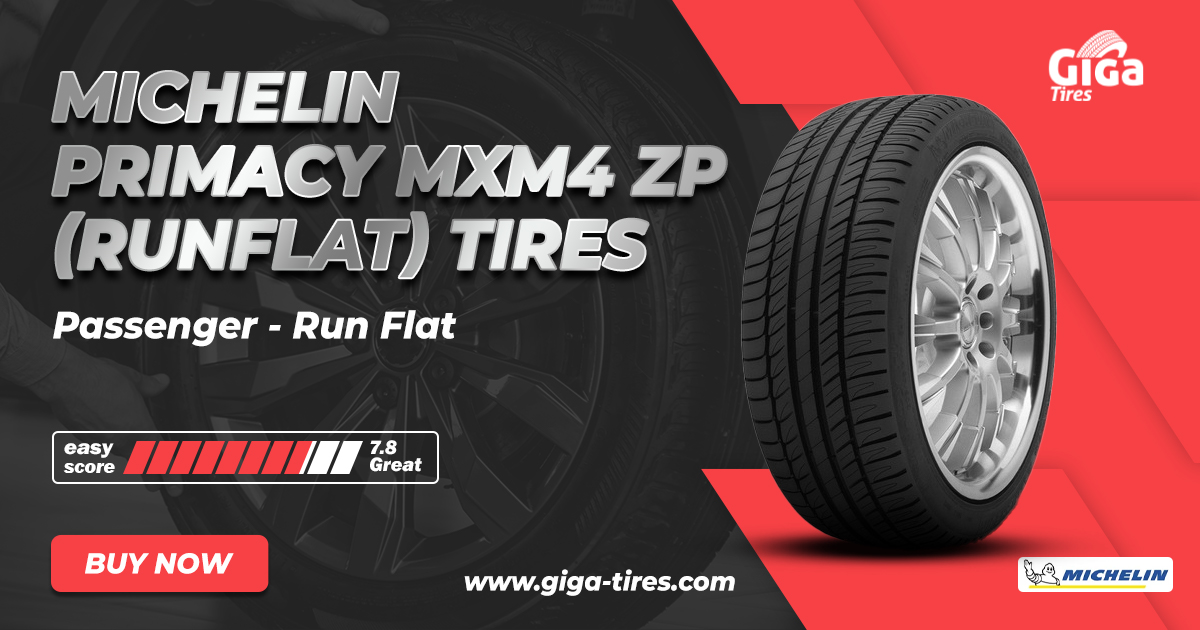
- Performance: This tire is designed for superior handling and traction in wet and dry conditions. Its all-season tread design ensures reliable performance year-round.
- Comfort: One notable aspect of the MXM4 ZP is its focus on delivering a smooth and quiet ride, which makes it ideal for long journeys.
- Durability: Michelin’s advanced tread compounds and reinforced sidewalls contribute to the tire’s longevity, even in regular use.
- Run-Flat Capability: After a puncture, the tire can travel up to 50 miles at a reduced speed, providing drivers with peace of mind and safety.
Continental ProContact GX SSR
The Continental ProContact GX SSR is another top contender known for its innovative design and robust performance. Its features include
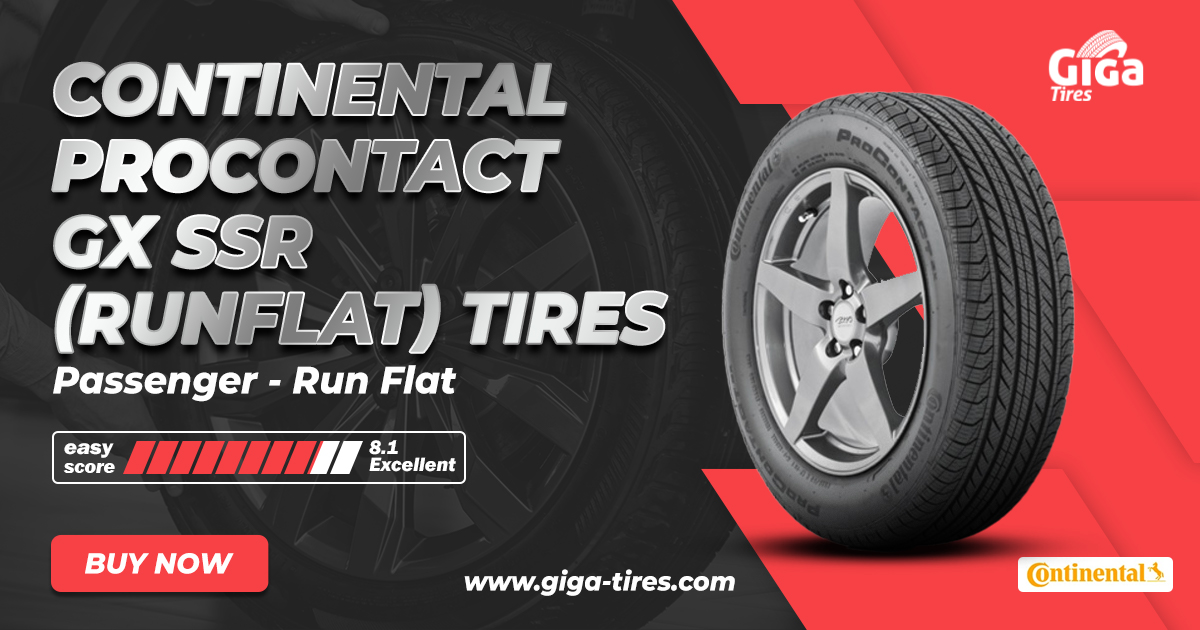
- All-Season Traction: The ProContact GX SSR’s advanced tread pattern offers excellent grip in various weather conditions, including light snow.
- Fuel Efficiency: This tire is engineered to reduce rolling resistance, which can contribute to better fuel economy.
- Safety Features: It boasts a solid construction with reinforced sidewalls, enabling continued driving even after air loss.
- Ride Comfort: Continental’s focus on reducing road noise and enhancing comfort is evident in this model, making it a preferred choice for daily commuting.
Bridgestone DriveGuard Plus
The Bridgestone DriveGuard Plus is a robust option for durability and performance. Its characteristics are
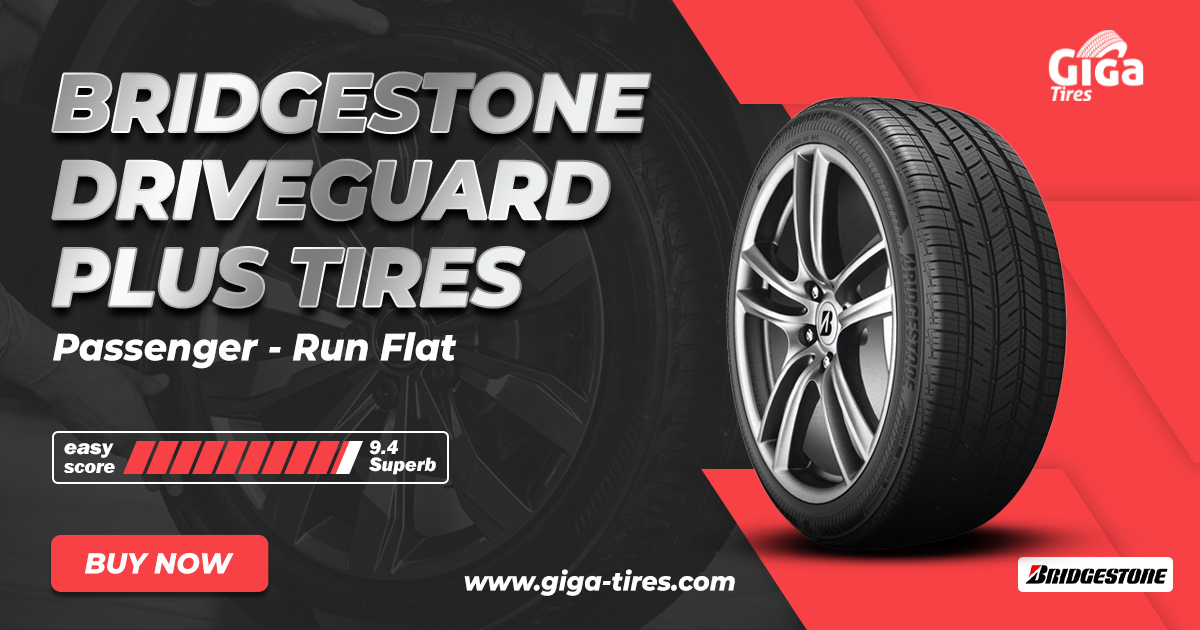
- Enhanced Durability: Known for its long-lasting tread life, the DriveGuard Plus stands out in terms of endurance.
- Wet and Dry Performance: Thanks to its optimized tread pattern, it offers reliable handling in both wet and dry conditions.
- Run-Flat Technology: The tire can sustain a puncture and still perform for up to 50 miles at reduced speeds, adding a layer of security for drivers.
- Comfort and Noise Reduction: Bridgestone has incorporated technology to reduce road noise, ensuring a comfortable driving experience.
Best Ultra High-Performance All-Season Run-Flats
Regarding ultra-high-performance all-season run-flat tires, the Michelin Pilot Sport All Season 4 ZP is a premier choice. This article delves into this tire’s features, performance, and overall capabilities, offering a detailed insight into why it is considered among the best in its category. The information is gathered from authoritative automotive and tire industry sources, ensuring a reliable and comprehensive analysis.
Overview of Michelin Pilot Sport All Season 4 ZP
The Michelin Pilot Sport All Season 4 ZP is designed for drivers seeking high performance without compromising safety and durability. This tire embodies advanced technology and superior design, tailored for high-end sports cars, sedans, and coupes.
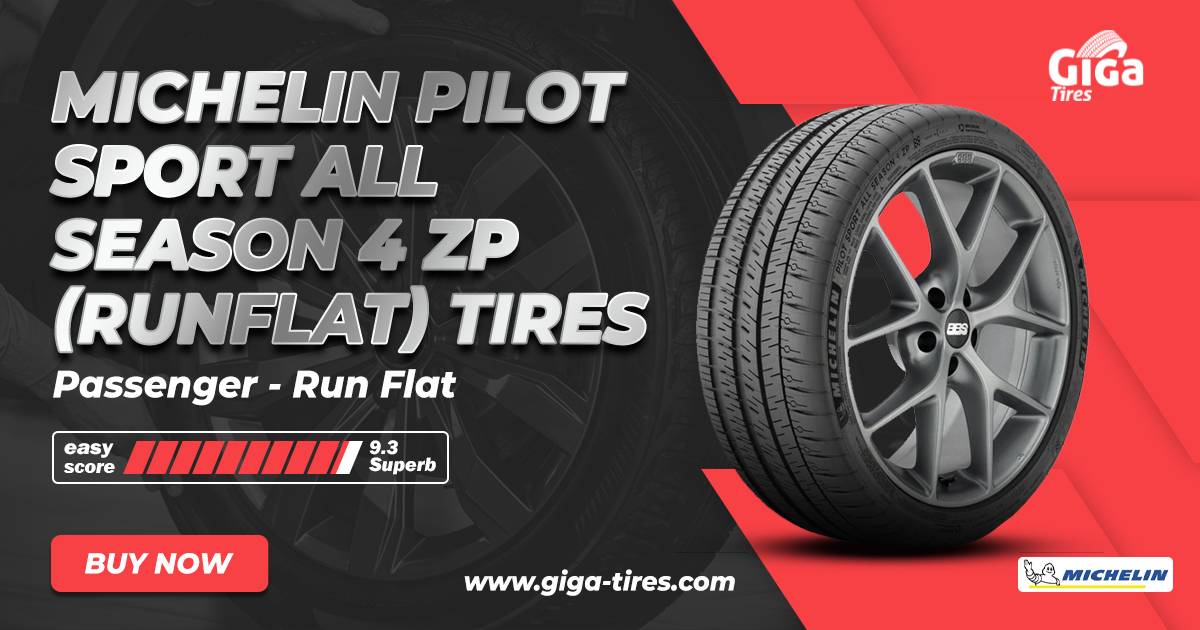
Key Features and Benefits:
Discover the standout features and advantages of the Michelin Pilot Sport All Season 4 ZP tire, known for its exceptional year-round performance, including impressive traction, handling, and durability. Explore how this tire enhances your driving experience in various weather conditions while delivering peace of mind with run-flat technology.
- All-Season Performance: The tire’s innovative tread compound and pattern provide excellent traction and handling in various weather conditions, including light snow.
- Run-Flat Technology: It allows drivers to continue driving for a limited distance (up to 50 miles) at reduced speeds (up to 50 mph) after a puncture, enhancing safety and convenience.
- Enhanced Tread Life: Michelin’s use of durable materials and sophisticated tread design contributes to a longer tread life, making it a cost-effective option in the long run.
- Responsive Handling: The tire is engineered for precise steering and control, providing an exhilarating driving experience, particularly in high-speed scenarios.
Performance in Wet and Dry Conditions
The Michelin Pilot Sport All Season 4 ZP excels in wet and dry conditions. Its unique tread pattern and rubber compounds offer a firm grip on wet roads, reducing the risk of hydroplaning. The tire provides exceptional cornering and braking capabilities in dry conditions thanks to its stiff sidewalls and responsive design.
Ride Comfort and Noise Reduction
Despite its focus on performance, this tire does not compromise on comfort. Michelin has integrated technology to reduce road noise and vibrations, ensuring a smooth and quiet ride, even at high speeds.
Fuel Efficiency
The tire’s design also considers fuel efficiency. Its optimized rolling resistance helps in reducing fuel consumption, making it an environmentally friendly choice for performance enthusiasts.
Durability and Longevity
Michelin’s commitment to durability is evident in the Pilot Sport All Season 4 ZP. The tire is built to withstand harsh conditions and maintain its integrity over time, offering drivers peace of mind.
The Michelin Pilot Sport All Season 4 ZP sets the standard for ultra-high-performance all-season run-flat tires. Its combination of superior all-weather traction, run-flat safety features, responsive handling, and long-lasting durability makes it an excellent choice for drivers seeking a tire that performs well in various conditions without sacrificing comfort or efficiency. Whether navigating city streets or cruising on highways, this tire promises a balanced and thrilling driving experience.
Crossover/SUV All-Season Run-Flats
In the domain of all-season run-flat tires designed for crossovers and SUVs, the Continental CrossContact LX Sport SSR stands as a noteworthy option. This article offers a detailed analysis of this tire, focusing on its features, performance, and suitability for crossover and SUV vehicles. The study is based on data and insights from authoritative sources in the automotive and tire industries.
Continental CrossContact LX Sport SSR
The Continental CrossContact LX Sport SSR is engineered for crossover and SUV drivers who demand reliability, safety, and all-season performance. This tire blends Continental’s cutting-edge technology with robust construction to deliver a balanced, dependable driving experience.
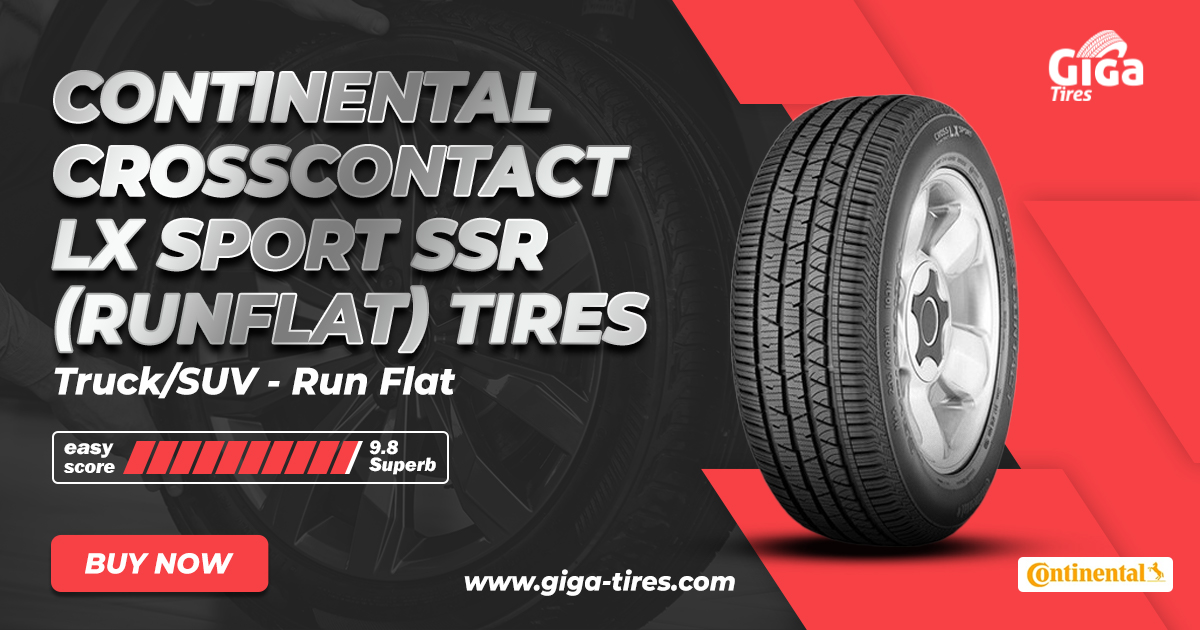
Key Features and Performance Aspects
- All-Season Versatility: This tire’s unique tread compound and pattern ensure adequate traction in various weather conditions, including light snow and wet roads.
- Run-Flat Technology: Equipped with Continental’s SSR (Self-Supporting Runflat) technology, it allows drivers to continue their journey for a limited distance, typically up to 50 miles, even after a puncture or complete air pressure loss.
- Handling and Stability: The CrossContact LX Sport SSR offers excellent handling and stability, a crucial factor for crossovers and SUVs with heavier builds. This ensures driver confidence in varied driving scenarios.
- Comfort and Noise Reduction: Continental has focused on optimizing the tire’s design to minimize road noise and enhance ride comfort, making it suitable for long drives and urban commutes.
Suitability for Crossover and SUV Vehicles
Learn why certain tires are particularly well-suited for crossover and SUV vehicles. These tires are engineered to handle the unique demands of these versatile vehicles, offering the perfect balance of performance, comfort, and durability for drivers who navigate various road conditions and terrains.
- Load Capacity and Durability: The tire’s construction is tailored to support the higher load capacities typical of crossovers and SUVs, ensuring durability and longevity.
- Responsive to Vehicle Dynamics: The CrossContact LX Sport SSR is responsive to the unique handling characteristics of crossovers and SUVs, providing a harmonious driving experience.
Wet and Dry Performance
The tire demonstrates commendable performance in both wet and dry conditions. Its tread design effectively channels water away to reduce hydroplaning risk, while the compound and structure provide a firm grip and responsive braking on dry surfaces.
Fuel Efficiency
With an emphasis on reducing rolling resistance, this tire contributes to improved fuel efficiency, which is particularly beneficial for the typically more significant and less fuel-efficient crossover and SUV vehicles.
The Continental CrossContact LX Sport SSR is a stellar choice for crossover and SUV drivers seeking an all-season run-flat tire. It provides safety, comfort, and performance, adapting well to various weather conditions and driving demands. Its blend of innovative run-flat technology, durability, and efficient handling makes it a top contender in its class, offering peace of mind and a pleasurable driving experience to its users.
Maximum Performance Summer Run-Flats
The Michelin Pilot Sport 4S ZP is a pinnacle in the maximum-performance summer run-flat tires segment. This article thoroughly explores the Michelin Pilot Sport 4S ZP, focusing on its design, performance, and suitability for high-performance driving during summer. The analysis is rooted in information from authoritative automotive and tire industry sources.
Michelin Pilot Sport 4S ZP
The Michelin Pilot Sport 4S ZP is tailored for drivers of sports cars, high-performance sedans, and other vehicles where exceptional handling and grip are paramount. This tire combines Michelin’s renowned technology and engineering excellence, offering a superior driving experience during the summer season.
Key Features and Performance Aspects
- Advanced Tread Compound and Design: The Pilot Sport 4S ZP features a unique tread compound designed to provide maximum grip on dry and wet roads, which is crucial for summer performance driving.
- Run-Flat Technology: Equipped with Michelin’s Zero Pressure (ZP) technology, it allows drivers to maintain control and mobility for a limited distance, even after a puncture, enhancing safety and convenience.
- Exceptional Handling and Responsiveness: The tire is engineered for precise steering response and stability at high speeds, providing drivers with confidence and control.
- Wet Performance: Despite being a summer tire, it offers impressive wet road performance thanks to its tread design and compound, which efficiently channels water to reduce hydroplaning risks.
Suitability for High-Performance Vehicles
- Traction and Cornering: The Michelin Pilot Sport 4S ZP excels in traction and cornering, making it ideal for high-performance vehicles with the best road grip and handling.
- Heat Management: The tire’s construction is designed to manage heat effectively, ensuring consistent performance and durability during spirited driving in summer conditions.
Ride Comfort and Noise Reduction
- Comfort: While focused on performance, the tire also provides a reasonable level of ride comfort, balancing the needs of performance driving with daily usability.
- Noise: The Pilot Sport 4S ZP incorporates noise reduction technology, minimizing road noise for a more pleasant driving experience.
Durability and Longevity
Michelin has integrated advanced materials and technologies in the Pilot Sport 4S ZP to ensure its longevity, even under the stress of high-performance driving. The tire’s wear characteristics are optimized for longer life without compromising performance.
The Michelin Pilot Sport 4S ZP sets the benchmark for maximum performance summer run-flat tires. Its advanced grip, precise handling, and run-flat safety technology make it an outstanding choice for drivers seeking the ultimate summer driving performance. Its capabilities in both dry and wet conditions and its suitability for high-performance vehicles meet the demanding expectations of performance enthusiasts.
Conclusion & Recommendations
After an extensive exploration of various run-flat tire options, from grand touring all-season models to maximum-performance summer tires, it’s clear that this technology offers significant advantages for a wide range of drivers and vehicles. Run-flat tires stand out for their safety features, allowing drivers to continue their journey even after a puncture, and their suitability for different vehicle types and driving conditions.
Key Takeaways
Diverse Options for Different Needs: The market offers a variety of run-flat tires tailored to specific requirements, whether for everyday commuting, grand touring, or high-performance driving.
- Safety and Convenience: These tires’ ability to function even after losing air pressure adds a layer of protection and convenience, eliminating the immediate need for a spare tire and reducing the stress of roadside tire changes.
- Advancements in Comfort and Performance: Modern run-flat tires have evolved to offer improved ride comfort and enhanced performance, making them a viable option for safety and an enjoyable driving experience.
Recommendations for Potential Buyers:
- Assess Your Driving Needs: When choosing a run-flat tire, consider your vehicle type, typical driving conditions, and personal preferences. For instance, a tire like the Michelin Pilot Sport 4S ZP would be ideal if you own a high-performance vehicle and prioritize handling and grip.
- Budget Considerations: While run-flat tires can be more expensive initially, they offer long-term benefits like reduced need for spare tires and potentially fewer roadside emergencies.
- Check Compatibility: Ensure your vehicle is compatible with run-flat tires, as not all cars are designed to accommodate their unique construction.
In conclusion, run-flat tires represent a significant advancement in tire technology, offering enhanced safety, convenience, and performance. Whether you’re driving a family SUV, a grand touring sedan, or a high-performance sports car, there is a run-flat tire that meets your needs.
Why choose GigaTires?
As you consider upgrading to run-flat tires, remember that choosing the right tire is crucial for your safety, comfort, and driving pleasure. GigaTires offers a wide selection of top-quality run-flat tires tailored to various driving needs and preferences. Our extensive range includes options from leading brands, ensuring you find the perfect match for your vehicle.
Take the first step towards a safer, more convenient driving experience. Explore our collection of run-flat tires and find the ideal fit for your vehicle. With GigaTires, you’re not just purchasing tires but investing in peace of mind and enhanced driving enjoyment.
Find Your Perfect Run-Flat Tire Today – Visit GigaTires
FAQs
What is a run-flat tire?
A run-flat tire is designed to keep working for a short distance even after it loses air due to a puncture or a cut. This technology allows you to drive safely to a repair shop or a safe location for a tire change, typically up to 50 miles at a reduced speed.
What is the disadvantage of a run-flat tire?
The main disadvantages of run-flat tires include a higher cost than regular tires, potentially less comfortable ride due to stiffer sidewalls, and limited availability in some sizes or styles. Also, they often can’t be repaired and must be replaced after a puncture.
Can you put air in run-flat tires?
Yes, you can put air in run-flat tires just like regular tires. However, if they have been driven on while flat, it’s crucial to have them inspected by a professional to ensure they are safe to use.
What’s the difference between a run-flat tire and a regular tire?
The critical difference is that run-flat tires can still be driven on for a limited distance after losing air, thanks to their reinforced sidewalls or support rings. Regular tires will lose shape and functionality when they go flat, making them unsafe to drive.
What is the mechanism of a run-flat tire?
Run-flat tires operate using reinforced sidewalls or a support ring inside the tire. These structures support the vehicle’s weight even when the tire loses air pressure, allowing the tire to maintain its shape and continue to be driven.
What is a tire with run-flat functionality?
A tire with run-flat functionality can maintain mobility for a limited distance and speed after losing air pressure, usually due to a puncture. This functionality is achieved through specialized construction that supports the tire without air.
What is the function of a run-flat?
The primary function of a run-flat tire is to allow a vehicle to continue to be driven safely after a tire has lost air pressure. This feature provides added safety and convenience, reducing the need for immediate roadside tire changes.
What is so particular about run-flat tires?
Run-flat tires are unique because they provide increased safety and convenience. They allow you to continue driving to a safe location or repair shop after a puncture, reducing the risk of being stranded or changing a tire in potentially hazardous situations.