

Last Updated on 8 months
Maximizing Safety and Performance Across Seasons
All-season tires represent a significant advancement in automotive technology, offering drivers a versatile and practical solution. These tires are designed to provide reliable performance in various weather conditions, eliminating the need for seasonal tire changes. In this article, we delve into the appeal of all-season tires and give an overview of their use and capabilities.
The Appeal of All-Season Tires
The primary appeal of all-season tires lies in their convenience and cost-effectiveness. These tires are engineered to perform adequately in various conditions, from dry summer roads to wet autumn streets and light winter snow. This versatility means drivers can avoid the expense and hassle of switching between summer and winter tires.
All-season tires are lovely for those living in regions with moderate climates, where extreme weather conditions are rare. These tires provide a balanced performance for the average driver, offering a quiet and comfortable ride, decent thread life, and adequate handling capabilities.
Moreover, all-season tires are often more fuel-efficient compared to specialized tires. Their design typically features a lower rolling resistance, which can contribute to reduced fuel consumption and, consequently, lower running costs for the vehicle.
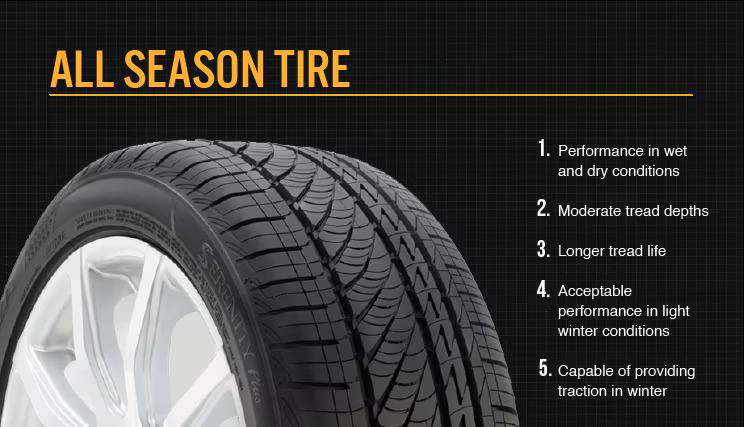
Overview of All-Season Tire Use and Capabilities
- Performance in Various Conditions: All-season tires are engineered to handle various weather conditions. Their tread patterns and rubber compounds are optimized for good traction on dry and wet roads. While they are less specialized than winter tires for icy conditions, they offer sufficient grip for light snow and slush.
- Thread Design: The thread design of all-season tires balances the aggressive threads found on winter tires and the smoother threads of summer tires. This design includes features such as siping (small slits in the tread blocks) for better grip in wet conditions and moderate thread depths that provide a comfortable ride while still offering sufficient traction.
- Rubber Compounds: The rubber compounds used in all-season tires are formulated to remain flexible in various temperatures. Unlike summer tires, which can harden in cold weather, or winter tires, which may become too soft in hot weather, all-season tires maintain their elasticity in warm and cool temperatures, contributing to consistent performance.
- Limitations: All-season tires are versatile but have limitations in extreme weather conditions. Their performance could be more consistent with dedicated winter tires in heavy snow or severe icy conditions. Similarly, in scorching temperatures, they may provide a different level of grip and handling than summer tires.
- Vehicle Suitability: All-season tires are suitable for many vehicles, including passenger cars, SUVs, and light trucks. Due to their balanced performance characteristics, they are famous for everyday driving.
- Economic Benefits: All-season tires’ long tread life, fuel efficiency, and year-round usability make them an economical choice for many drivers. By eliminating the need for multiple sets of tires, they offer a cost-effective solution for year-round driving.
The Origin and Evolution of All-Season Tires
All-season tires represent a remarkable innovation in the automotive industry, offering drivers a versatile and adaptable solution for year-round driving. Their evolution is a testament to advancements in technology and materials science. This article explores the historical development of all-season tires, focusing on Goodyear’s pivotal role, and highlights the significant technological advancements that have shaped them over the years.
Historical Development: Goodyear’s Contribution
The journey of all-season tires began in the 1970s, with Goodyear taking the lead in their development. This era marked a turning point in tire manufacturing, driven by the need for a more versatile tire that could handle various weather conditions without needing seasonal replacement.
Goodyear’s breakthrough came with the introduction of the Tiempo, the first tire marketed as suitable for all seasons. The Tiempo set a new standard in tire design, combining features of both summer and winter tires. It was an innovative approach to thread design and rubber composition, enabling better year-round performance than its seasonal counterparts.
The success of Tiempo paved the way for other manufacturers to develop their versions of all-season tires, leading to a significant shift in the tire industry. The concept of a single tire for all weather conditions became increasingly popular, offering convenience and cost savings to drivers.
Technological Advancements in All-Season Tires
Over the years, all-season tires have benefited from various technological advancements, enhancing their performance and durability. These improvements include:
- Advanced Rubber Compounds: Modern all-season tires utilize advanced rubber compounds that maintain flexibility and grip over a broader range of temperatures. This development has significantly improved the tires’ performance in colder conditions while retaining efficiency in warmer weather.
- Innovative Thread Designs: Thread design has seen substantial innovation. Modern all-season tires feature intricate thread patterns with variable depth and siping (small slits) to improve grip on wet and snowy roads. The thread patterns balance damp traction, dry handling, and snow performance.
- Improved Water Evacuation: Technological advancements have improved water evacuation capabilities in all-season tires. This is crucial for reducing the risk of hydroplaning and maintaining traction on wet roads. The thread designs now include deeper circumferential grooves and sophisticated siping patterns to channel water away from the tire’s contact patch effectively.
- Enhanced Durability: Durability is another area where all-season tires have improved significantly. Advances in materials and construction methods have increased the lifespan of these tires, making them more resistant to wear and tear. This means they can maintain their performance characteristics over extended periods, providing better value for drivers.
- Fuel Efficiency: Developing low-rolling resistance tires has been a critical focus recently. All-season tires are now designed to minimize energy loss as they roll, reducing fuel consumption and emissions. This makes them an environmentally friendly and cost-effective option for drivers.
- Increased Vehicle Compatibility: Technological advancements have also expanded the range of vehicles that can effectively use all-season tires. Today, these tires are suitable for various vehicles, from small passenger cars to larger SUVs and trucks, ensuring a broad market appeal.
Understanding All-Season Tires
All-season tires represent a significant innovation in the tire industry, offering a versatile solution that caters to various driving conditions throughout the year. This part of our series delves into the definition and characteristics of all-season tires and how to identify them, mainly through the A/S symbol.
Definition and Characteristics of All-Season Tires
All-season tires are designed to provide safe and efficient performance in various driving conditions, including wet roads and light winter weather. They are a hybrid of sorts, incorporating summer and winter tire elements to offer a compromise between the two. These tires are built to ensure moderate traction in warm and cold climates, making them popular for drivers in regions with mild winter conditions.
Key Characteristics:
- Thread Compound: All-season tires have a unique rubber compound that remains flexible in various temperatures, from mild winters to hot summers. This flexibility helps them maintain grip on the road, ensuring safety and control.
- Thread Pattern: The thread pattern of all-season tires is balanced with moderate thread depths. These patterns are typically more intricate than summer tires, with enough siping (small slits in the tread blocks) to provide adequate traction on wet and slightly snowy surfaces.
- Traction: While they do not excel in any particular weather condition, all-season tires provide sufficient traction in both dry and wet conditions. They can handle light snow but are unsuitable for heavy snowfall or ice.
- Durability: All-season tires generally have a longer lifespan compared to season-specific tires. This is due to their thread design and material composition, which are geared towards enduring various road conditions over time.
- Versatility: These tires suit many vehicles, including passenger cars, SUVs, and light trucks. They are designed to offer a comfortable ride, making them ideal for everyday driving.
Identifying All-Season Tires: The A/S Symbol
One of the most straightforward ways to identify all-season tires is to look for the A/S symbol on the sidewall. This designation indicates that the tire has been constructed to meet the performance criteria for all-season conditions.
- The A/S Symbol: This marking is an industry-standard to denote that the tire is intended for all-season use. It signifies that the tire has been tested and found to perform adequately in various conditions, including dry roads, wet roads, and light snow.
- Additional Markings: In addition to the A/S symbol, all-season tires may feature other markings or symbols that provide more information about their specific capabilities, such as M+S (Mud and Snow), which indicates that the tire can handle muddy or light snow conditions.
The Benefits of All-Season Tires
All-season tires have become popular among drivers due to their versatility and ability to handle various driving conditions. This section will discuss the key benefits of all-season tires, focusing on their performance across different seasons, the specialized thread patterns and durability, and their suitability for various vehicle types.
Performance Across Seasons
- Balanced Performance: All-season tires are designed to offer balanced performance in different weather conditions. They can provide safe and reliable traction in wet and dry conditions, making them suitable for spring, summer, and autumn.
- Light Winter Weather: While not a replacement for dedicated winter tires, all-season tires can handle light winter conditions. Their tread compound is formulated to remain flexible at lower temperatures, providing a better grip than summer tires in cold weather.
- Transition Seasons: All-season tires excel during transition seasons like spring and autumn, when the weather can be unpredictable. Their versatility makes them ideal for handling the mix of dry, wet, and occasionally snowy roads during these periods.
Thread Patterns and Durability
- Innovative Thread Designs: The thread design of all-season tires is a critical aspect of their functionality. They typically feature a complex pattern of grooves and sipes (tiny slits) that help in providing traction on wet surfaces and light snow.
- Water Evacuation: The tread patterns are also designed to effectively channel water away from the tire, reducing the risk of hydroplaning in heavy rain conditions.
- Durability: One of the most significant advantages of all-season tires is their durability. Due to their balanced tread wear characteristics, they generally have a longer lifespan than season-specific tires, making them a more cost-effective option over the long term.
Suitability for Various Vehicle Types
- Versatility for Different Vehicles: All-season tires are suitable for various vehicles, including sedans, SUVs, minivans, and light trucks. This versatility makes them a convenient option for most drivers.
- Performance for Passenger Cars: All-season tires provide a good mix of wet and dry traction and decent fuel efficiency.
- SUVs and Light Trucks: In SUVs and light trucks, all-season tires offer the necessary traction for heavier vehicles, often focusing on highway driving and light off-road use.
- Handling and Comfort: All-season tires are engineered to provide a comfortable driving experience regardless of the vehicle type. They are often designed to minimize road noise and provide a smooth ride.
All-Season Tires in Different Weather Conditions
All-season tires are designed to be versatile and capable of handling a variety of weather conditions. However, their performance can vary depending on the specific challenges of different types of weather. This section will explore how all-season tires perform in wet and dry conditions, their effectiveness in light snow and winter conditions, and their limitations in severe weather.
Performance in Wet and Dry Conditions
- Wet Conditions: All-season tires are equipped with thread patterns that help channel water away from the tire’s surface, reducing the risk of hydroplaning. This is achieved through the design of grooves and sipes on the tire’s tread, which work together to provide better traction on wet roads.
- Dry Conditions: All-season tires offer a stable and comfortable ride in dry conditions. Their tread compound is designed to balance grip and durability well, which is essential for handling and braking efficiency on dry pavement.
- Temperature Flexibility: The rubber compounds used in all-season tires are formulated to perform well in various temperatures, from moderately hot to mildly cold conditions. This makes them a reliable choice for everyday driving in regions with temperate climates.
Effectiveness in Light Snow and Winter Conditions
- Light Snow: All-season tires can handle light snow conditions. Winter tires are less effective than those specifically designed for snow and ice, but they can provide adequate traction and control in light, snowy environments.
- Siping and thread Depth: The siping and moderate thread depth in all-season tires are crucial in their ability to grip light snow-covered roads. The sipes provide additional biting edges, which help maintain traction on slippery surfaces.
- Limitations: While all-season tires can manage light snow, winter tires are better choices for heavy snowfall or icy conditions due to their specialized design and materials.
Limitations in Severe Weather
- Extreme Cold: All-season tires are not designed for extreme cold temperatures. The rubber compound can become too complicated in freezing weather, reducing traction and increasing braking distances.
- Heavy Snow and Ice: In heavy snow and icy conditions, the limitations of all-season tires become more pronounced. Winter tires need deeper threads and specialized rubber compounds, which are essential for navigating thick snow and ice.
- Severe Rain and Hydroplaning: While all-season tires are designed to perform well in light to moderate rain, in cases of heavy rain and potential hydroplaning situations, their performance may not match that of tires specifically designed for wet conditions.
All-Season Tires vs. Other Tire Types
Understanding the differences between all-season tires and other types of tires, such as winter or snow tires and all-weather tires, is crucial for making an informed decision about the best tire for your vehicle and driving conditions. This article will provide a detailed comparison between these tire types, focusing on their distinct characteristics and uses.
Comparison with Winter and Snow Tires
- All-Season Tires: All-season tires are designed to offer balanced performance in various conditions, including dry, wet, and mildly snowy roads. They are made with a rubber compound that remains flexible in different temperatures, but not extreme cold. The tread pattern is designed to provide good traction on wet and dry surfaces and light snow.
- Winter and Snow Tires: Winter and snow tires are specifically designed for cold weather and snow-covered roads. They are made with a softer rubber compound that remains flexible in extremely low temperatures, providing better grip and traction. Their tread design is deeper and more aggressive than all-season tires, featuring larger grooves and sipes for improved traction on snow and ice.
Key Differences:
- Temperature Performance: Winter tires outperform all-season tires in very low temperatures and severe winter conditions.
- Traction on Snow and Ice: Winter tires provide superior traction and handling on snow and ice compared to all-season tires.
- Seasonal Use: Winter tires are specifically used in cold weather and should be replaced with summer or all-season tires once the temperature rises.
Distinction Between All-Weather and All-Season Tires
- All-Weather Tires: All-weather tires are a hybrid between all-season and winter tires. They are designed to handle moderate to severe weather conditions, including heavy rain and snow. All-weather tires have a tread pattern and rubber compound that perform better in cold weather than all-season tires, but are less optimized for severe winter conditions than dedicated ones.
- All-Season Tires: While they can handle light snow and cold temperatures, there are better choices than all-season tires for areas with harsh winter weather. They perform well in various conditions, including wet and dry roads in moderate temperatures.
Key Distinctions:
- Year-Round Use: All-weather tires can be used year-round in many regions, balancing winter and all-season tire capabilities.
- Severe Weather Handling: All-weather tires perform better in extreme weather, including heavy snow and colder temperatures, than all-season tires.
- Thread Life: All-season tires typically have a longer thread life than all-weather tires, especially in warmer climates.
Understanding the differences between these tire types helps ensure you have the right tire for your vehicle’s safety and performance, tailored to your specific driving conditions.
Selecting the Right All-Season Tires
Choosing the right all-season tires for your vehicle is a crucial decision that impacts not only the performance and efficiency of the car but also your safety on the road. This detailed guide will assist in evaluating different brands and models, matching tires to your specific driving conditions and habits, and the importance of consulting with tire professionals.
Evaluating Different Brands and Models
- Brand Reputation: Start by considering reputable brands known for quality and reliability. Brands like Michelin, Goodyear, Bridgestone, and Continental have established track records for producing durable, high-performing all-season tires.
- Model Specifications: Each tire model has specific features tailored for different needs. Look for models that balance wet and dry traction, fuel efficiency, and durability. Check the tire ratings for treadwear, traction, and temperature resistance, typically found on the tire’s sidewall.
- Reviews and Ratings: Online reviews and consumer ratings can be invaluable. Websites like Consumer Reports and Tire Rack offer comprehensive reviews and user feedback on various tire models. These reviews can provide real-world insights into tire performance and longevity.
- Price vs. Quality: While budget is essential, opting for the cheapest option may be the best. Invest in tires that offer the best value for money regarding longevity, safety, and performance.
Matching Tires to Driving Conditions and Habits
- Climate plays a crucial role. Standard all-season tires are generally suitable for regions with mild winters and minimal snowfall, offering a balanced performance for everyday driving. However, areas experiencing frequent snowfall and icy roads demand all-season tires with superior snow and ice performance for enhanced traction in challenging winter conditions.
- Driving style also influences the optimal tire selection. For drivers prioritizing a quiet and comfortable experience, noise-reduction technology incorporated within the tires is a desirable feature. Conversely, performance-oriented drivers should seek tires with higher performance ratings, enabling improved handling and responsiveness for a more spirited driving style.
- Road conditions must also be factored into the equation. Standard all-season tires are adequate for city driving on primarily paved roads. However, drivers frequently encountering rough or unpaved surfaces should consider all-season tires featuring a more aggressive thread design. This design provides enhanced grip and durability when navigating challenging terrain.
Consulting with Tire Professionals
- Expert Advice: Tire professionals can provide valuable advice based on their experience and knowledge. They can recommend the vehicle’s best tires, driving habits, and local weather conditions.
- Proper Installation: Having the tires installed by professionals ensures they are mounted and balanced correctly, which is crucial for optimal performance and tire longevity.
- Safety Checks: Professionals can also inspect the vehicle’s alignment and suspension, which is essential for maintaining tire condition and ensuring a safe driving experience.
- Future Maintenance: Establish a relationship with a tire professional who can provide ongoing maintenance, such as tire rotations and balancing, to extend the life of your tires.
Selecting the right all-season tires involves carefully considering various factors, including brand, model, driving conditions, and personal driving habits.
All-Season Performance Tires
All-season performance tires represent a unique segment of the tire market. They combine the versatility of all-season tires with the enhanced handling and grip usually associated with performance tires. This article provides an overview of all-season performance tires, examines their suitability for sports cars, and discusses their limitations in extreme conditions.
Overview and Suitability for Sports Cars
- Balanced Design: All-season performance tires are engineered to balance the reliable all-weather capabilities of standard all-season tires and the superior road-holding and handling characteristics of performance tires. They are designed to provide enhanced traction, better cornering ability, and shorter braking distances than regular all-season tires.
- Material and thread Composition: These tires typically use advanced rubber compounds and specialized thread designs. The rubber compound is flexible enough to maintain traction in cold temperatures. At the same time, the thread design often includes larger blocks and fewer grooves than standard all-season tires, which helps improve grip and stability during high-speed maneuvers.
- Sports Cars Compatibility: All-season performance tires are particularly well-suited for sports cars used as daily drivers. They allow sports car enthusiasts to enjoy spirited driving while being practical for everyday use in varying weather conditions. These tires perform well on dry and wet roads and offer adequate handling in light winter.
- Enhanced Driving Experience: Sports car drivers can expect a more engaging driving experience with all-season performance tires. These tires are designed to respond quickly to steering inputs and provide a firmer grip on the road, which is essential for high-speed driving and aggressive cornering.
Limitations in Extreme Conditions
- Winter Weather Performance: While all-season performance tires can handle light snow and cold temperatures better than summer, they are not a substitute for dedicated winter tires in extreme winter conditions. Their tread design and compound are not optimized for deep snow, heavy slush, or icy conditions.
- Thread Wear and Durability: All-season performance tires may wear faster than regular tires due to their softer rubber compounds and performance-oriented thread patterns. This is a trade-off for the enhanced grip and handling they provide.
- Extreme Hot Weather: In scorching temperatures, all-season performance tires may provide a different level of grip and stability than summer performance tires. The compromise in rubber compounds to accommodate colder temperatures might be less effective in dissipating heat, which is crucial for maintaining performance in hot conditions.
All-season performance tires are an excellent choice for sports car drivers who require a tire that provides enhanced handling and grip for spirited driving yet is versatile enough for year-round use in various weather conditions.
Economic and Environmental Considerations
As consumers become more conscious of their economic and environmental footprint, the choice of all-season tires extends beyond performance and weather versatility. This article delves into all-season tires’ economic and ecological aspects, covering cost-effectiveness, fuel efficiency, and the environmental impact of tire production and disposal.
Cost-Effectiveness and Fuel Efficiency
- Initial Cost: All-season tires are often more cost-effective than separate summer and winter tires. While the initial investment might be higher than budget tires, the long-term cost savings can be significant. Drivers save on buying and maintaining two sets of tires, including the cost of seasonal tire changes.
- Fuel Efficiency: All-season tires, by design, aim to strike a balance between performance and fuel efficiency. Compared to winter tires with aggressive tread patterns, all-season tires offer lower rolling resistance, resulting in better fuel economy. This can lead to savings at the gas pump over time.
- Thread Life: Many all-season tires are built to have longer thread life compared to high-performance or summer tires. This extended thread life means drivers can replace their tires less frequently, enhancing cost-effectiveness.
Environmental Impact of Tire Production and Disposal
- Production Materials: The manufacturing of tires, including all-season tires, involves using various materials, including natural and synthetic rubber, steel, and chemical compounds. The extraction and processing of these materials have environmental implications, such as energy consumption and greenhouse gas emissions.
- Tire Disposal: Proper disposal of tires is essential to mitigate their environmental impact. When tires are disposed of in landfills, they can take up valuable space and, over time, release harmful chemicals into the environment. However, many tire manufacturers and retailers offer recycling programs, where old tires are repurposed into asphalt, playground surfaces, or even new tires.
- Sustainable Initiatives: Some tire manufacturers are trying to reduce their environmental footprint. They invest in research and development to create eco-friendly tire designs, use sustainable materials, and minimize waste during production. These initiatives aim to reduce the overall environmental impact of tire manufacturing.
Best All-Season Tires in the Market
Regarding all-season tires, several top contenders are known for their exceptional performance and versatility. Below are some of the best all-season tires in the market, highlighting their key features:
Michelin CrossClimate2
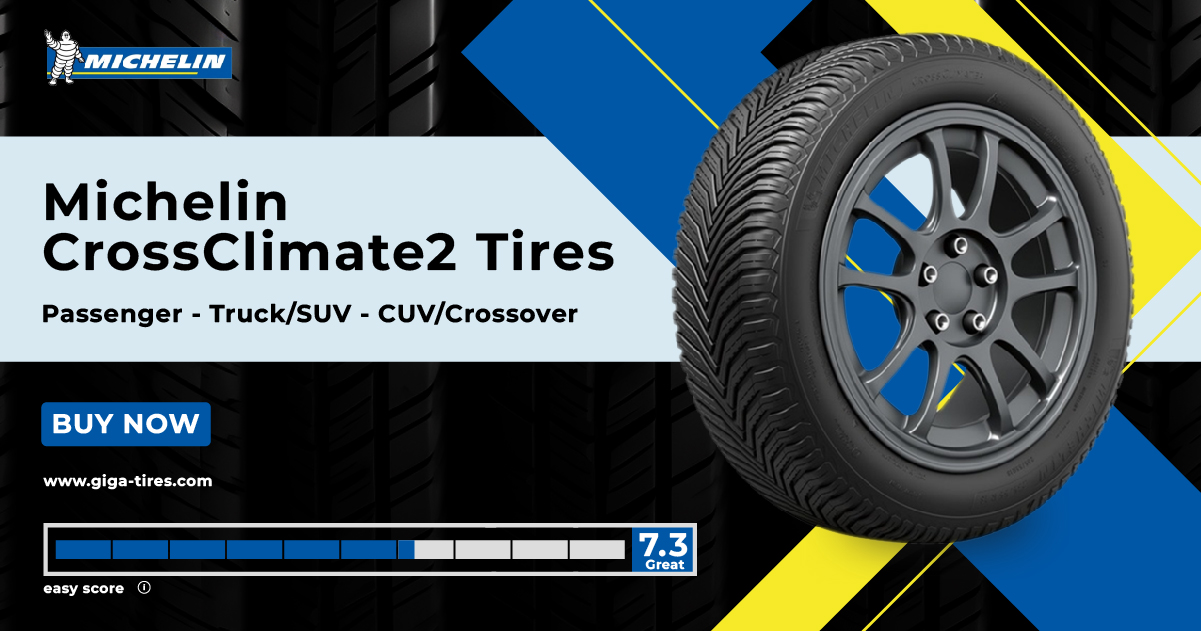
- Awards: Car Talk Golden Wrench Award winner for Best All-Season Tire of 2021.
- Performance: Exceptional performance in dry, wet, and winter weather.
- 3PMSF Rating: Features a three-peak mountain snowflake (3PMSF) rating for winter conditions.
- Thread Design: Unique tread pattern with water-funneling angles to reduce hydroplaning.
Continental PureContact LS
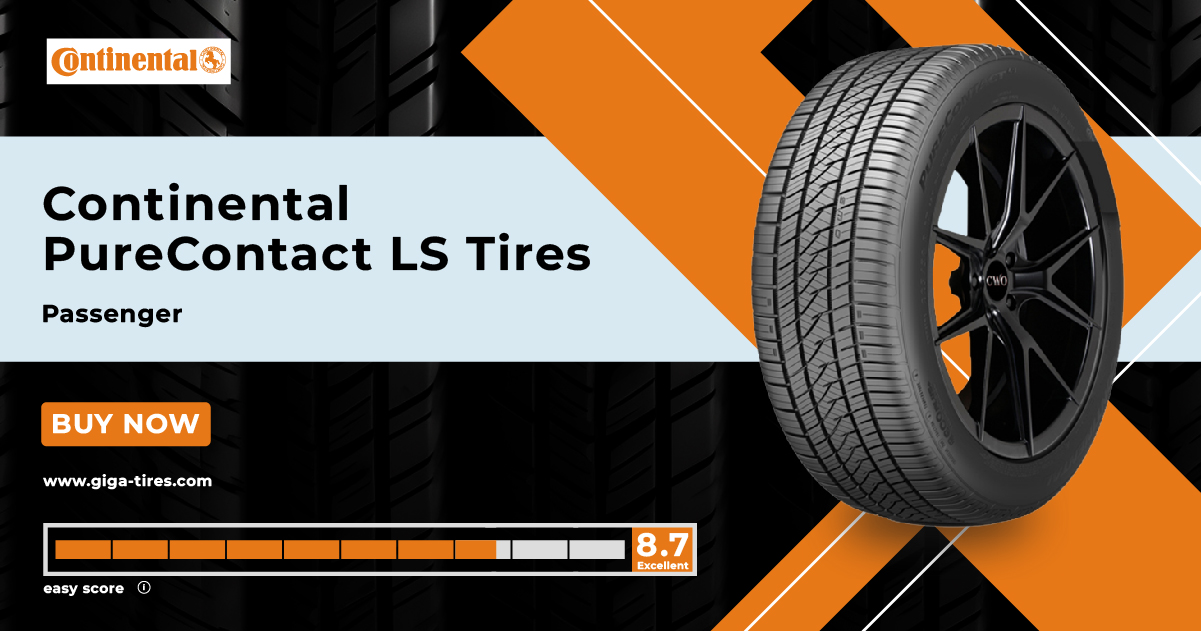
- Awards: Recognized for industry reviews, responsive handling, and solid grip in various weather conditions.
- Consumer Reviews: Excellent consumer reviews.
- Efficiency: Impressive wear and fuel economy.
Yokohama AVID Ascend GT
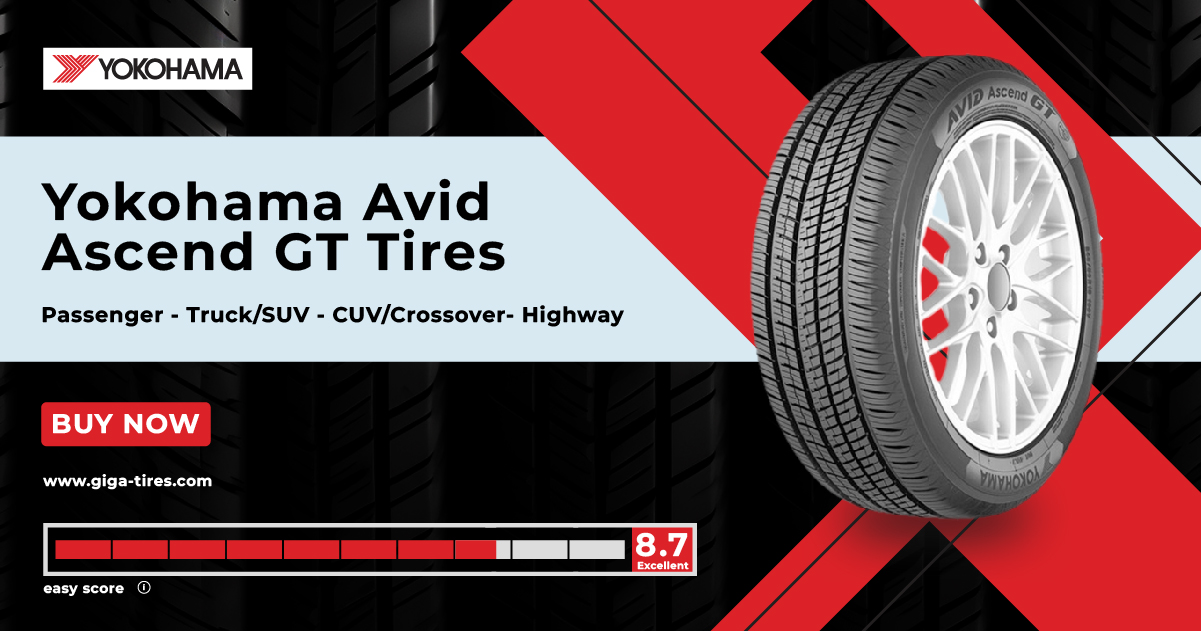
- Performance: Offers a tight grip in dry, wet, and wintry conditions, including light snow.
- Eco-Friendly: Known for its environmentally-friendly features.
- Traction: Provides solid traction and thread durability.
Pirelli Cinturato P7 All Season Plus II
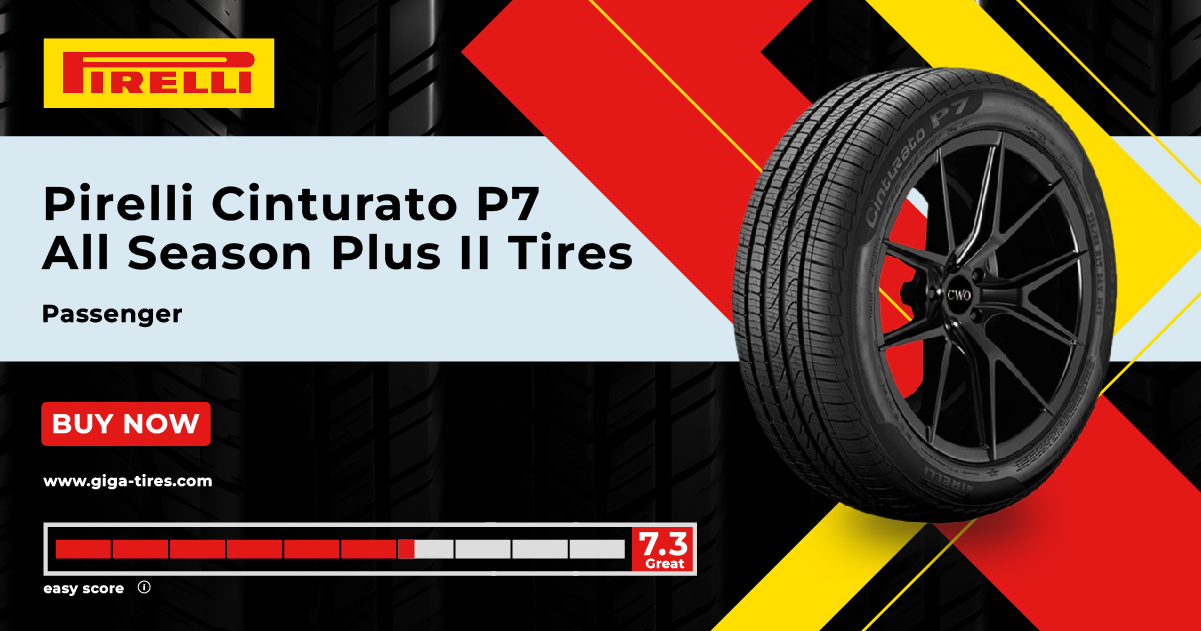
- Handling: Designed for solid handling and enhanced traction in wet conditions.
- Thread Design: Features an asymmetric thread design for improved performance.
- Reviews: Receives solid consumer reviews.
Michelin Defender 2
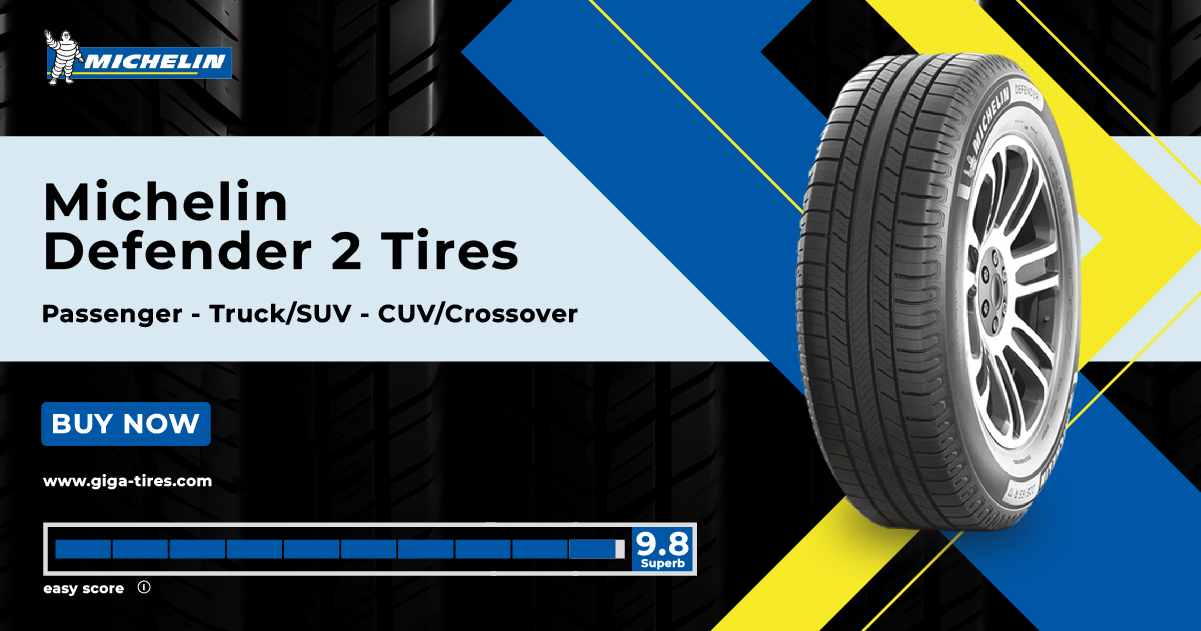
- Quiet Ride: Known for its soft and smooth ride.
- Durability: Offers long thread life.
- Weather: Ideal for drivers who don’t need to tackle harsh weather conditions.
Bridgestone Turanza Quiettrack
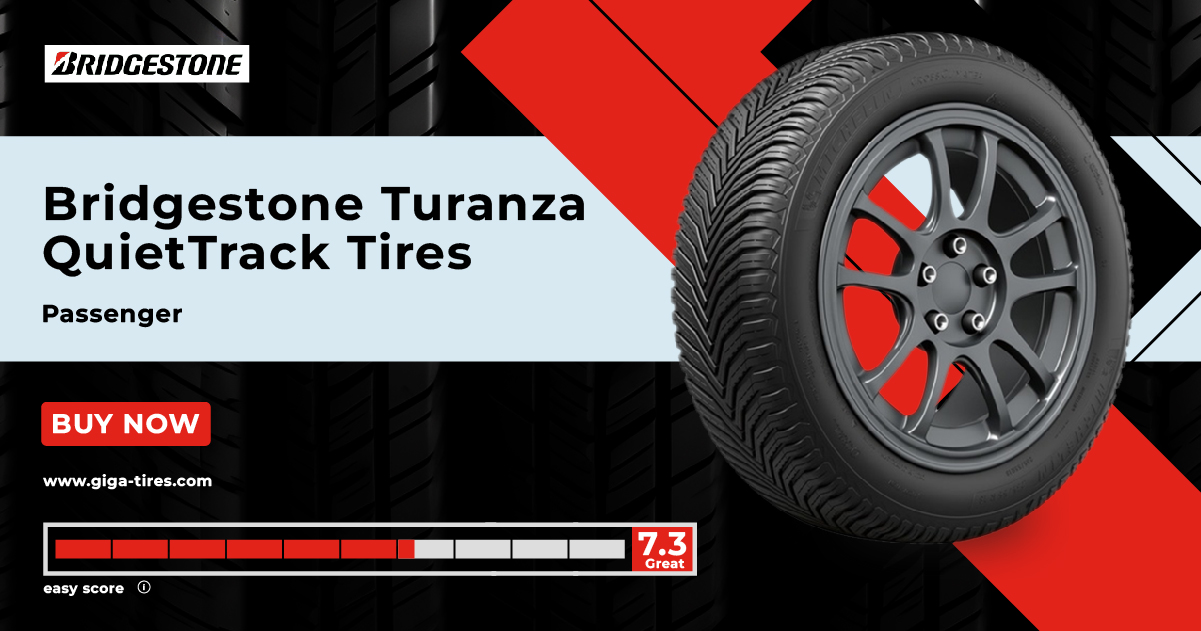
- Driving Experience: Provides an excellent driving experience with extended thread life.
- Traction: Offers good traction in wet and dry conditions.
- Sizes: Available in sizes ranging from 15″ to 20″.
Goodyear Assurance WeatherReady
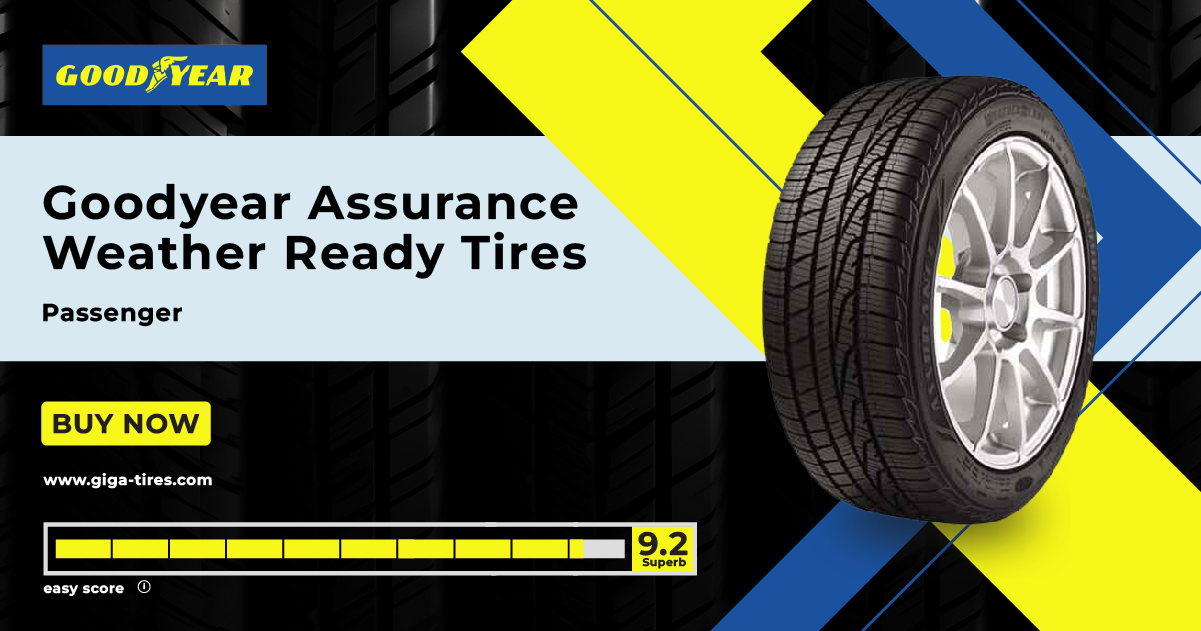
- Weather Control: Offers excellent control in various weather conditions, including light snow and ice.
- Certification: Holds Severe Snow Service certification.
- Traction: Provides excellent traction.
Firestone WeatherGrip
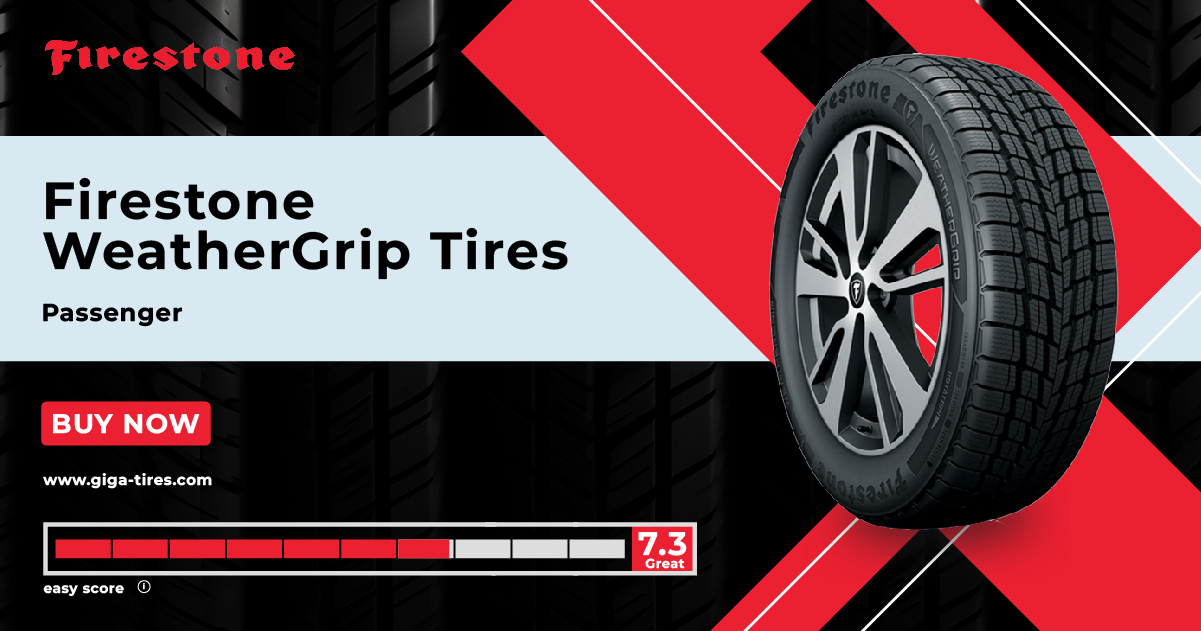
- Value: This is a solid choice for those looking for value, thread life, and traction in most weather conditions, including light snow.
- Reviews: Receives good consumer reviews.
- Traction: Offers excellent traction.
Cooper ProControl
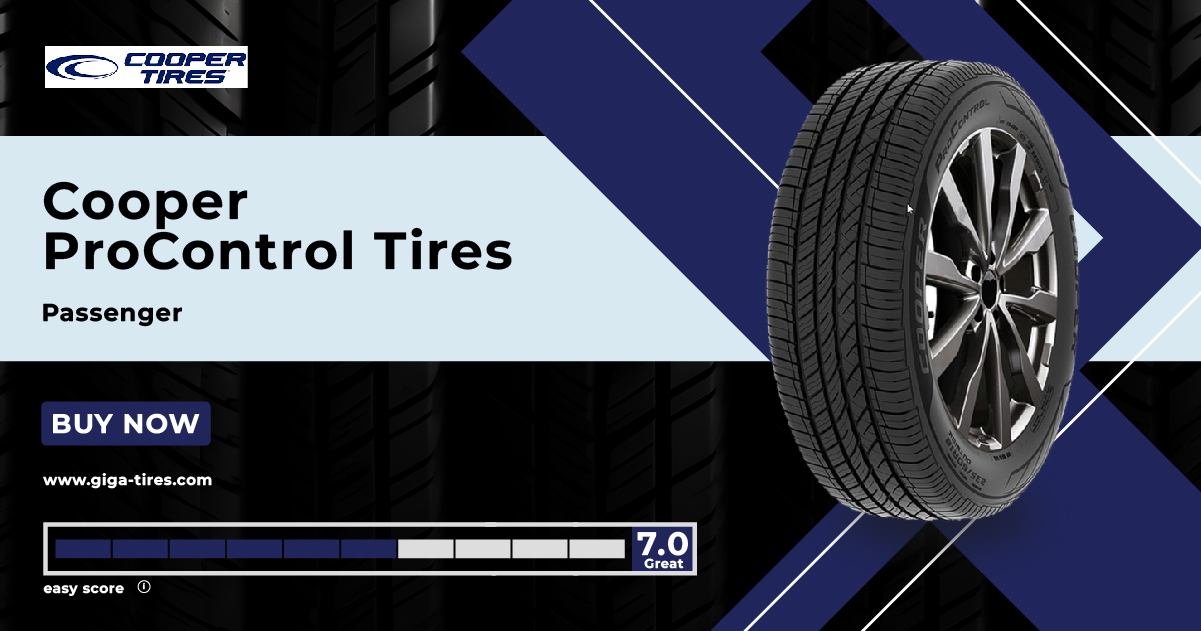
- Affordability: An affordable option for coupes, sedans, crossovers, and SUVs.
- Traction: Provides excellent traction.
- Thread Life: Offers long thread life.
- Sizes: Available in sizes ranging from 16″ to 22″.
Conclusion & Recommendations
Our exploration has highlighted the versatility of all-season tires. They offer a compelling solution for drivers in diverse climates and road conditions. Let’s recap the key takeaways from our exploration:
The All-Season Tire Advantage
All-season tires have gained immense popularity for several compelling reasons:
- Year-Round Performance: All-season tires are designed to excel in diverse weather conditions, providing a consistent and reliable driving experience throughout the year.
- Versatility: These tires offer a balanced blend of traits, including good traction on dry and wet roads, making them suitable for various driving scenarios.
- Cost-Effectiveness: Investing in all-season tires eliminates the need for seasonal tire changes, saving time and money in the long run.
- Convenience: Drivers can enjoy the convenience of not having to switch tires as the seasons change, ensuring their vehicles are always ready for the road.
- Safety: Many all-season tires have features like 3PMSF ratings, enhancing their performance in light winter conditions and ensuring safer driving.
Future Trends in Tire Technology
Looking ahead, the world of tire technology is evolving rapidly. Here are some intriguing trends to watch for:
- Innovative Tires: The integration of sensors and data-driven technology in tires is increasing, allowing for real-time monitoring of tire health, pressure, and road conditions.
- Sustainability: Manufacturers increasingly focus on eco-friendly tire production methods and materials, aligning with the growing emphasis on environmental responsibility.
- Improved Durability: Advancements in tire compounds and construction techniques are leading to longer-lasting tires, reducing the frequency of replacements.
- Enhanced Performance: Future all-season tires are expected to offer even better performance across various weather conditions, making driving safer and more enjoyable.
Making the Right Choice
Choosing the correct set of all-season tires directly impacts driving experience and safety. When selecting, consider the vehicle type, typical driving conditions, and budget. Consulting with tire professionals and reading consumer reviews can also provide valuable insights.
Upgrade Your Tires with Giga Tires
Now that you’re equipped with the knowledge to make an informed choice, why not take the next step and upgrade your tires with Giga Tires? We offer a wide selection of top-quality all-season tires to suit your needs. Don’t wait; enhance your driving experience today.
Click the button above to explore our range of all-season tires and find the perfect fit for your vehicle. Drive confidently in every season with Giga Tires.
FAQs
How Long Do All-Season Tires Typically Last?
The lifespan of an average all-season tire can reach approximately 60,000 miles with proper care and maintenance. It is important to note that maintaining your tires significantly affects their longevity. Compared to seasonal or terrain-specific tires, all-season models tend to outlast them, boasting a longer tread life.
Are All-Season Tires Effective in Snowy Conditions?
All-season tires are not specifically engineered for handling deep snow or icy roads. Driving slower to moderate speeds in challenging winter weather while maintaining cautious steering is advisable. These tires offer decent traction on light snow and can handle unexpected winter storms to some extent. However, they are not suitable for frigid temperatures and severe icy conditions.
Is It Necessary to Have a Set of Snow Tires?
Regions prone to heavy winter snow may have better choices than relying solely on all-season tires. Snow tires, designed explicitly for winter driving, are recommended. They feature detailed thread patterns and a rubber compound that adapts well to freezing temperatures, ensuring safer winter driving conditions.
Who Makes the Best All-Season Tires?
The best all-season tire manufacturer title often goes to reputable brands like Michelin, Continental, Bridgestone, and Goodyear, known for their quality and performance.
Which Tires Are Best for All-Weather?
Brands like Nokian and Toyo best represent all-weather tires, which are designed for year-round use and offer a good balance between all-season and winter tire capabilities.
What Is Better: All-Season or All-Weather Tires?
Choosing between all-season and all-weather tires depends on your climate and driving needs. All-weather tires are more suitable for regions with colder winters, while all-season tires are versatile but may struggle in heavy snow.
How Many Kilometers Do All-Season Tires Last?
With proper maintenance, all-season tires can last an average of 80,000 kilometers (50,000 miles), but this can vary depending on tire quality and driving habits.
How Often Do You Need to Replace All-Season Tires?
All-season tires typically need replacement every 3-6 years, depending on factors like tread wear and tire condition. Regular inspections are crucial.
How Do I Know If My All-Season Tires Are Still Good?
Check your tire’s tread depth using a tread gauge. If it is below 2/32 of an inch, it is time to replace it. Also, look for signs of uneven wear, cracks, or bulges.